A bike lane detour in Seattle illustrates a cheap and easy way to safely direct bike traffic around obstructions such as utility work.


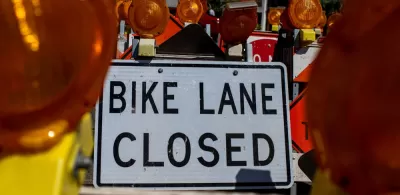
A post by Tom Fucoloro on the Seattle Bike Blog asks why a temporary bike lane detour Fucoloro witnessed on Seattle’s 2nd Avenue isn’t standard practice.
Fucoloro describes the detour, which is just a series of traffic cones directing cyclists around the obstruction. “It’s a simple and effective solution, especially for situations where the bike lane is only closed while workers are present who can adjust any cones that get displaced,” Fucoloro points out. And while the city technically calls for temporary accommodations for pedestrians when sidewalks are closed off, “the rule is rarely followed.”
Fucoloro asserts that “Seattle’s leaders have to do something to force all construction projects to follow this rule. Does it need a big fine attached to it? Are they waiting for somebody to get injured or killed and then sue the city for failing to enforce their rule?”
FULL STORY: This bike lane detour is so simple, so why isn’t it the standard in Seattle?

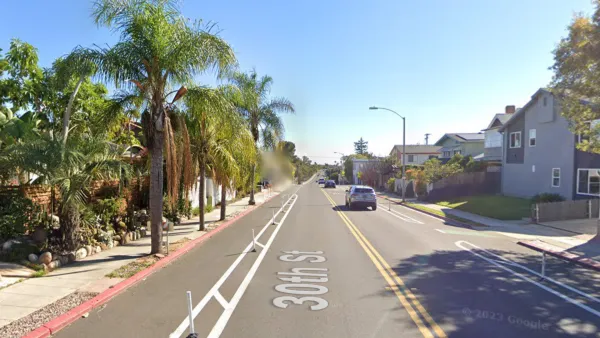
After San Diego Installed a Protected Bike Lane, Ridership More Than Doubled — and Hasn’t Stopped Growing.
“When people feel safe, they ride.”
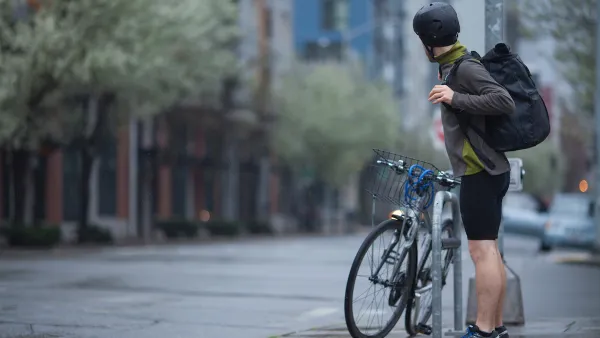
Seattle Recorded Zero Bike Deaths in 2024, per Early Data
The city halved the number of pedestrian deaths compared to 2021.
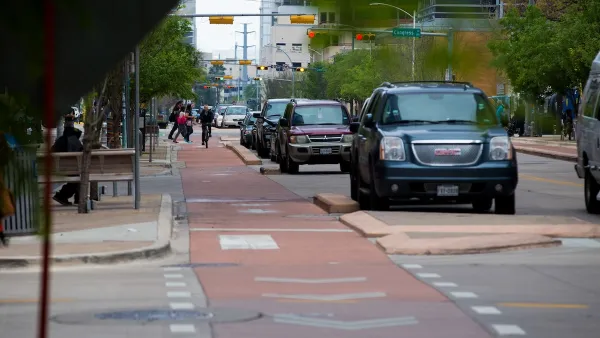
Austin Outlaws Blocking Bike Lanes
Drivers who park in bike lanes will receive citations of up to $300.

Planetizen Federal Action Tracker
A weekly monitor of how Trump’s orders and actions are impacting planners and planning in America.

The state-sanctioned urbicide of Austin
People don’t kill cities. Freeways do.

US to reduce Colorado River water deliveries to Mexico
A new Colorado Treaty amendment reduces Mexico’s Colorado River water allocation by 250,000 acre feet.

Guerilla urbanists are building DIY bus stop benches in Chicago
A before-and-after of one of the bus stops with a new bench. The new benches are not officially sanctioned or permitted, but the residents who placed them hope they will be the start of a network of DIY benches across the city.

Mamdani overhauls NYC's Vision Zero plan with 100 new policy goals
The overhaul aims to reduce traffic deaths and make streets safer for pedestrians, cyclists and drivers through lower speed limits, new safety infrastructure and more.

Amtrak not solely to blame for New Jersey commuter rail's unreliability, report finds
A new study from the Garden State Initiative found that NJ Transit’s budget grew 20% across a 4 year period, but reliability declined significantly over the same period.

FREE Course: Walkable City 1: Why Walkability?
After describing his path towards focusing on walkability as the essence of good planning, Jeff Speck marches through his five principal reasons for making more walkable places.
Reinventing Malls: Planning Alchemy—Turning Gray Fields Into Gold
The course focuses on the opportunities and imperatives that shape reinvention of mall sites.

Eagle County Government
Harvard University Graduate School of Design
Nashville Planning Department
The Architects Foundation
University of Cincinnati Online
The Pocatello Development Authority
The Urban Renewal Agency of the City of Pocatello
Journal of the American Planning Association