The Texas Department of Transportation plans to build an elevated freeway segment as part of its plan to widen Interstate 35 through central Texas.


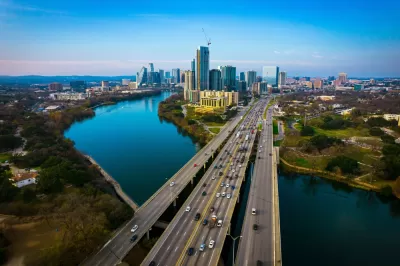
A new double-decker highway segment will radically alter the look of Interstate 35 in Austin, where, in spite of protests from community groups and local officials, the Texas Department of Transportation plans to move forward with the highway expansion project. Nathan Bernier reports on the project for KUT.
Despite decades of evidence that expanding road capacity leads to more gridlock—a phenomenon known as induced demand—TxDOT is lauding the project as an important milestone for the city’s commuters. According to TxDOT Austin District Engineer Tucker Ferguson, “We're expected to double in population over the next 20 years or so, so the demand is here whether this project gets built or not.”
The city councilmembers representing the affected area did not attend a groundbreaking ceremony this week, signaling their continued opposition to the project, but have no official decisionmaking power. Meanwhile, “A federal lawsuit filed by Rethink35, the Texas Public Interest Research Group and Environment Texas alleges TxDOT improperly split the I-35 expansion in Travis County into three smaller parts — South, Central and North — in a bureaucratic sleight of hand to avoid a more rigorous environmental review than a single 28-mile project would require.”
FULL STORY: Double-decker highway coming to South Austin

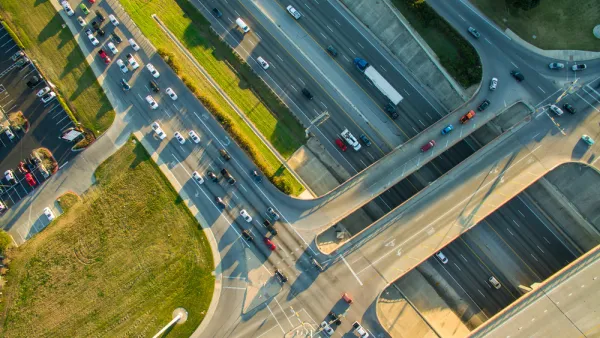
Austin City Council Calls for Changes to Interstate Widening Plan
Legally powerless to stop TxDOT’s plans for freeway expansion, Austin city leaders hope to influence the agency to take some mitigation measures as it widens I-35.
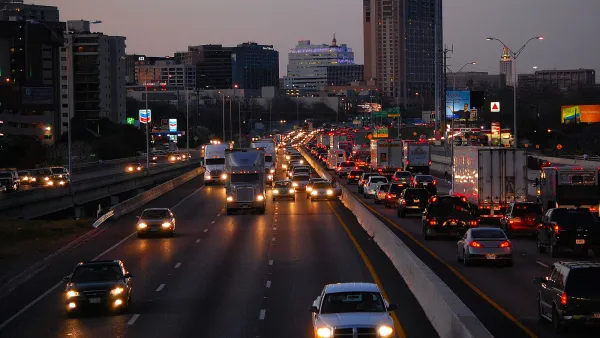
Austin Leaders Denounce 20-Lane Freeway Project
TxDOT is pushing ahead with plans for a massive freeway expansion project through downtown Austin despite opposition from virtually all local leaders.
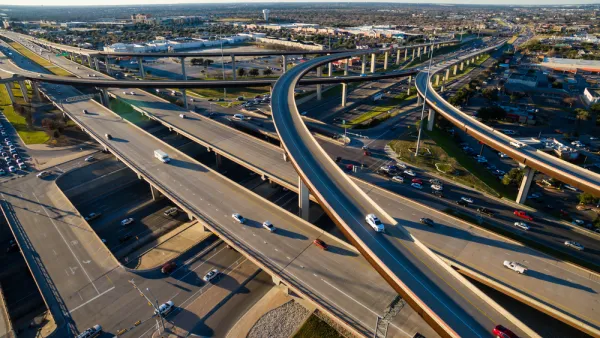
Austin Interstate Expansion Plan Draws Opposition
A proposal to widen I-35 has drawn criticism from community members who want to see the city shift away from car-centric development.

Planetizen Federal Action Tracker
A weekly monitor of how Trump’s orders and actions are impacting planners and planning in America.

The state-sanctioned urbicide of Austin
People don’t kill cities. Freeways do.

US to reduce Colorado River water deliveries to Mexico
A new Colorado Treaty amendment reduces Mexico’s Colorado River water allocation by 250,000 acre feet.

Mamdani overhauls NYC's Vision Zero plan with 100 new policy goals
The overhaul aims to reduce traffic deaths and make streets safer for pedestrians, cyclists and drivers through lower speed limits, new safety infrastructure and more.

Amtrak not solely to blame for New Jersey commuter rail's unreliability, report finds
A new study from the Garden State Initiative found that NJ Transit’s budget grew 20% across a 4 year period, but reliability declined significantly over the same period.

EPA erases limits on planet-warming pollution from power plants
Under Monday’s plan, power plants would still have some limits on how much mercury, arsenic and other contaminants they can emit.

FREE Course: Walkable City 1: Why Walkability?
After describing his path towards focusing on walkability as the essence of good planning, Jeff Speck marches through his five principal reasons for making more walkable places.
Reinventing Malls: Planning Alchemy—Turning Gray Fields Into Gold
The course focuses on the opportunities and imperatives that shape reinvention of mall sites.

Eagle County Government
Harvard University Graduate School of Design
Nashville Planning Department
The Architects Foundation
University of Cincinnati Online
The Pocatello Development Authority
The Urban Renewal Agency of the City of Pocatello
Journal of the American Planning Association