Some New York City developers are building low-density luxury high-rises that, in some cases, have fewer units than the buildings they replaced.



High-rises are often touted as a solution for the housing crisis, as they can replace low-density housing with potentially hundreds of new units. However, a trend emerging in Manhattan shows developers doing the opposite. Writing in the New York Times, Stefanos Chen describes how some developers are building high-rise towers with fewer units than the buildings they replaced.
“Urban planners say the developers are squandering the precious few sites left in Manhattan’s high-density neighborhoods, where substantially more units could be built,” Chen writes.
Chen points to several projects that are well below their allowable number of units, opting instead for fewer, larger, and more expensive apartments. “Such projects have a cumulative effect. From 2010 to 2020, the Upper East Side lost more housing units than any other community district in the city, primarily through the combination of smaller apartments and demolitions, according to the Department of City Planning.”
Housing advocates say the city and state should do more to bar this type of development and require builders to include affordable housing, such as renewing an incentive program that expired in June or eliminating density limits and mandating below-market units.
FULL STORY: Taller Towers, Fewer Homes

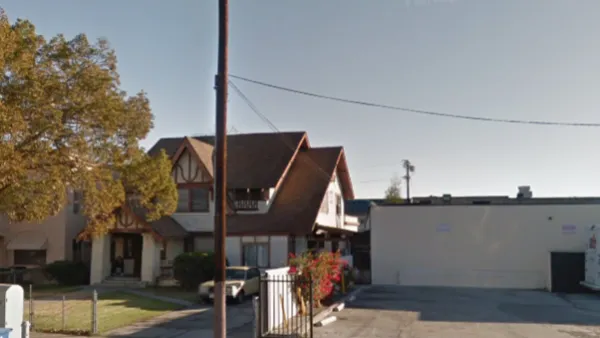
How One L.A. Developer Uses the Law to Build Apartments
California’s density bonus law lets developers skirt some zoning regulations to build multifamily housing.

San Francisco Could Strike Deal on New Tower
The city is leveraging height increases and density bonuses to acquire more properties for affordable housing.

Taller, Denser, but More Affordable Housing Coming to San Francisco
Following a similar ordinance signed into law by Mayor Ed Lee last July that dealt with developments that are 100 percent affordable, the new housing density ordinance apples to market-rate developments that have 30 percent affordability.

Planetizen Federal Action Tracker
A weekly monitor of how Trump’s orders and actions are impacting planners and planning in America.

The state-sanctioned urbicide of Austin
People don’t kill cities. Freeways do.

US to reduce Colorado River water deliveries to Mexico
A new Colorado Treaty amendment reduces Mexico’s Colorado River water allocation by 250,000 acre feet.

Mamdani overhauls NYC's Vision Zero plan with 100 new policy goals
The overhaul aims to reduce traffic deaths and make streets safer for pedestrians, cyclists and drivers through lower speed limits, new safety infrastructure and more.

Amtrak not solely to blame for New Jersey commuter rail's unreliability, report finds
A new study from the Garden State Initiative found that NJ Transit’s budget grew 20% across a 4 year period, but reliability declined significantly over the same period.

EPA erases limits on planet-warming pollution from power plants
Under Monday’s plan, power plants would still have some limits on how much mercury, arsenic and other contaminants they can emit.

FREE Course: Walkable City 1: Why Walkability?
After describing his path towards focusing on walkability as the essence of good planning, Jeff Speck marches through his five principal reasons for making more walkable places.
Reinventing Malls: Planning Alchemy—Turning Gray Fields Into Gold
The course focuses on the opportunities and imperatives that shape reinvention of mall sites.

Eagle County Government
Harvard University Graduate School of Design
Nashville Planning Department
The Architects Foundation
University of Cincinnati Online
The Pocatello Development Authority
The Urban Renewal Agency of the City of Pocatello
Journal of the American Planning Association