A new book makes the case that the promises of the transportation technology industry will fall short of the needs of cities and the planet.


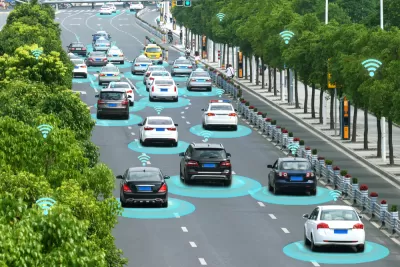
Muizz Akhtar interviews Paris Marx, author of Road to Nowhere: What Silicon Valley Gets Wrong about the Future of Transportation, about the future of transportation in the United States.
The interview ranges from the necessity of owning a car in the United States, the limitations of automobile technology in solving transportation, urban planning, and mobility problems, and the politics of emerging transportation technology. A few choice quotes delivered by Marx in the interview:
We’re kind of stuck in this bind, where we’re dependent on these automobiles, where the cost of using them is increasing, where the number of deaths on the road continues to rise every year. If we do a mass transition to electric vehicles, as it’s being pushed by these companies, and also by the governments, I think that we’re going to find that that doesn’t solve the climate problem of the transportation system to the degree that we’re being sold right now.
And
There’s this move into the city — there’s this desire to go beyond what’s just happening on your computer and to integrate the internet itself into so many other parts of the world. The idea is that this will make things better, this will improve things. But I think, especially now more than a decade on from that, it’s time for a reckoning of reassessment and to recenter ourselves, especially post-pandemic. How do we think about technology in the tech industry now? And how do we ensure we don’t get caught up in these promises, again, in a really uncritical way?
More at the source article below.
Read the full story: Silicon Valley is wrong about the future of transportation


Key Points From the Tesla Data Leak
Thousands of leaked safety complaints about the electric carmaker reveal a pervasive effort to hide problems from the public and prevent customers from filing lawsuits.
Texas Safety Advocates Raise Alarm in Advance of Tesla Robotaxi Launch
The company plans to deploy self-driving taxis in Austin with no oversight from state or local transportation agencies.
Editorial Calls for Tesla to Follow Same 'Self-Driving' Testing Rules as Everyone Else
While dozens of companies are following state-mandated regulations for autonomous vehicle testing, Tesla has managed to avoid the same rules. It's time for regulators to step in, according to the Los Angeles Times Editorial Board.

Amtrak, CN end decades-long dispute with eight-year agreement
The new operating agreement establishes an updated framework for the companies to work together, including processes to resolve disputes.

Judges permit Denver to divert 77,000 acre feet from the Colorado River for reservoir expansion
Overuse and climate change have caused the Colorado River’s water levels to plummet.
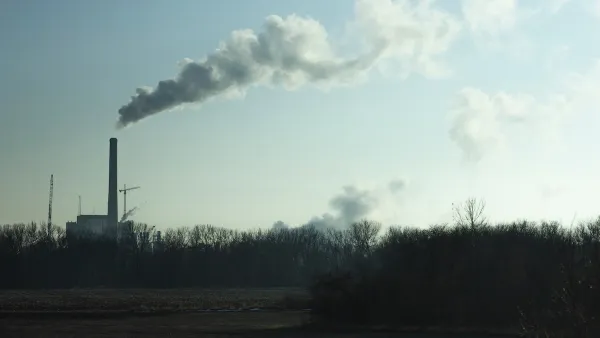
Nation's most wind-powered state turns to coal as data centers increase energy demand
For the first time in decades, Iowa has increased its generation of coal power.

Boston has spent millions making the Green Line more accessible — and there’s no end in sight
While the city has invested millions into expanding and adding platforms to the Green Line to make it more accessible, new train cars set to arrive next year will be too tall for disabled passengers to board without raising the current platforms.

Idaho may see an 18% drop in federal surface transit funding — the largest estimated cut in the US
Transit systems in rural communities are much more reliant on federal funding to provide their services.

How ‘post-disaster gentrification’ alters neighborhoods after natural calamities
After hurricanes, fires or other calamities, the original residents of a community are often replaced by younger, wealthier residents.

FREE Course: Walkable City 1: Why Walkability?
After describing his path towards focusing on walkability as the essence of good planning, Jeff Speck marches through his five principal reasons for making more walkable places.
Reinventing Malls: Planning Alchemy—Turning Gray Fields Into Gold
The course focuses on the opportunities and imperatives that shape reinvention of mall sites.

City of Wisconsin Rapids
Harvard University Graduate School of Design
KFH Group Inc.
The Architects Foundation
University of Cincinnati Online
The Pocatello Development Authority
The Urban Renewal Agency of the City of Pocatello