South Bend commits to infill development by pre-approving a suite of residential development options.


The city of South Bend recently released the details of its New Neighborhood Homes Initiative, an ambitious plan first announced in June to lower development costs and build more infill housing. Included in the initiative is a set of pre-approved plans for multi-family infill housing developments. A statement announcing the launch of the “Build South Bend” program calls the pre-approved plans a “Sears Catalog” of housing options.
“Each plan has been vetted specifically for South Bend with careful consideration given to current zoning regulations, typical lot configurations, common construction techniques, and market conditions,” according to the announcement of the pre-approved plans.
The complete collection of pre-approved plans [pdf] includes small apartments, stacked duplexes, narrow houses, and carriage houses, and standard houses.
“There are many steps involved in [the City Neighborhood Initiative], but simply put, the goal is to build more homes that South Benders can afford,” reports Matt Gotsch for WNDU. City officials announced the Built South Bend program in the Near Northwest Neighborhood, where an estimated 400 vacant lots could see new development with the new city initiative.
“The policy changes will be made to the current System Development Charges (SDCs), which cover the utility’s cost of connecting new developments to water and sewer services. Under the revised policy, SDCs will not apply to infill housing of 5 or fewer units. They will also not apply to housing developments of more than 5 units if they are financed with low-income housing tax credits or are built by a non-profit,” according to a statement from South Bend Mayor James Mueller in June.
South Bend’s pre-approved housing plans expand on similar models developed recently in Seattle and Stockton to pre-approve accessory dwelling units to create incentives for that more limited form of infill development.
FULL STORY: City Neighborhood Initiative will help build homes in South Bend

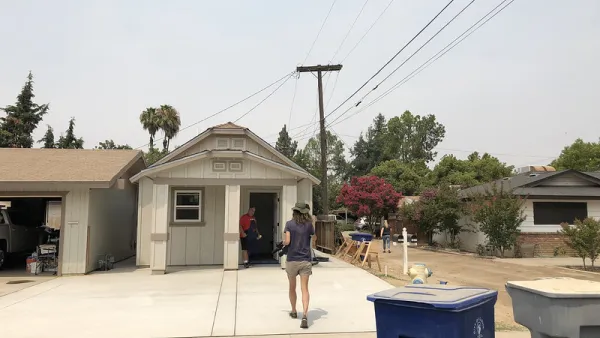
Pre-Approved ADUs Now Available in Sacramento
The city of Sacramento is making it easier to develop accessory dwelling units.
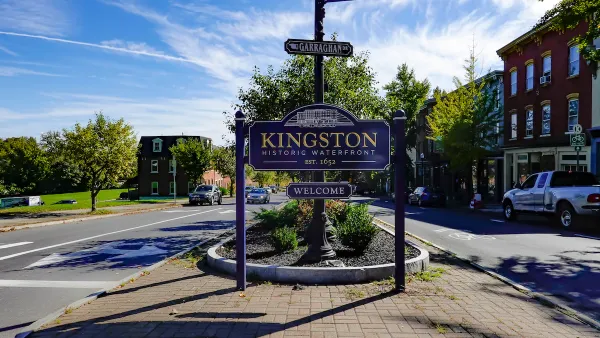
Kingston, New York Goes 100 Percent Form-Based for its New Code
Kingston recently adopted a form-based code, taking the rare step to entirely replace its old zoning code with form-based standards while also repealing parking requirements and allowing accessory dwelling units and missing middle housing.
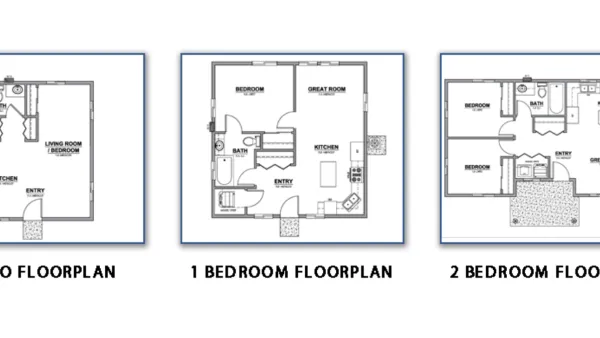
Denver Struggling to Unlock the Potential of Accessory Dwelling Units
Why doesn’t Denver build more ADUs? It’s complicated.

The state-sanctioned urbicide of Austin
People don’t kill cities. Freeways do.

US to reduce Colorado River water deliveries to Mexico
A new Colorado Treaty amendment reduces Mexico’s Colorado River water allocation by 250,000 acre feet.

New Jersey’s second-largest city bans standalone data centers
Jersey City will continue to allow co-location facilities, such as those meant for research institutions that store their own data.

Amtrak not solely to blame for New Jersey commuter rail's unreliability, report finds
A new study from the Garden State Initiative found that NJ Transit’s budget grew 20% across a 4 year period, but reliability declined significantly over the same period.

EPA erases limits on planet-warming pollution from power plants
Under Monday’s plan, power plants would still have some limits on how much mercury, arsenic and other contaminants they can emit.

Phoenix announces new on-demand transit service, more frequent RAPID buses
Both new services will launch in October, and are part of Phoenix's Project Effective Access Solutions for Easing Congestion.

FREE Course: Walkable City 1: Why Walkability?
After describing his path towards focusing on walkability as the essence of good planning, Jeff Speck marches through his five principal reasons for making more walkable places.
Reinventing Malls: Planning Alchemy—Turning Gray Fields Into Gold
The course focuses on the opportunities and imperatives that shape reinvention of mall sites.

Eagle County Government
Harvard University Graduate School of Design
Nashville Planning Department
The Architects Foundation
University of Cincinnati Online
The Pocatello Development Authority
The Urban Renewal Agency of the City of Pocatello
Journal of the American Planning Association