The project aims to slow erosion along the riverbank and restore the formerly industrial area to a more natural state.


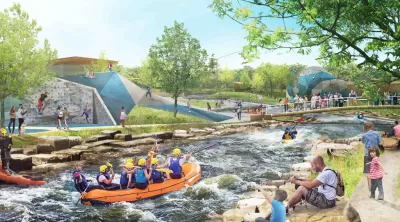
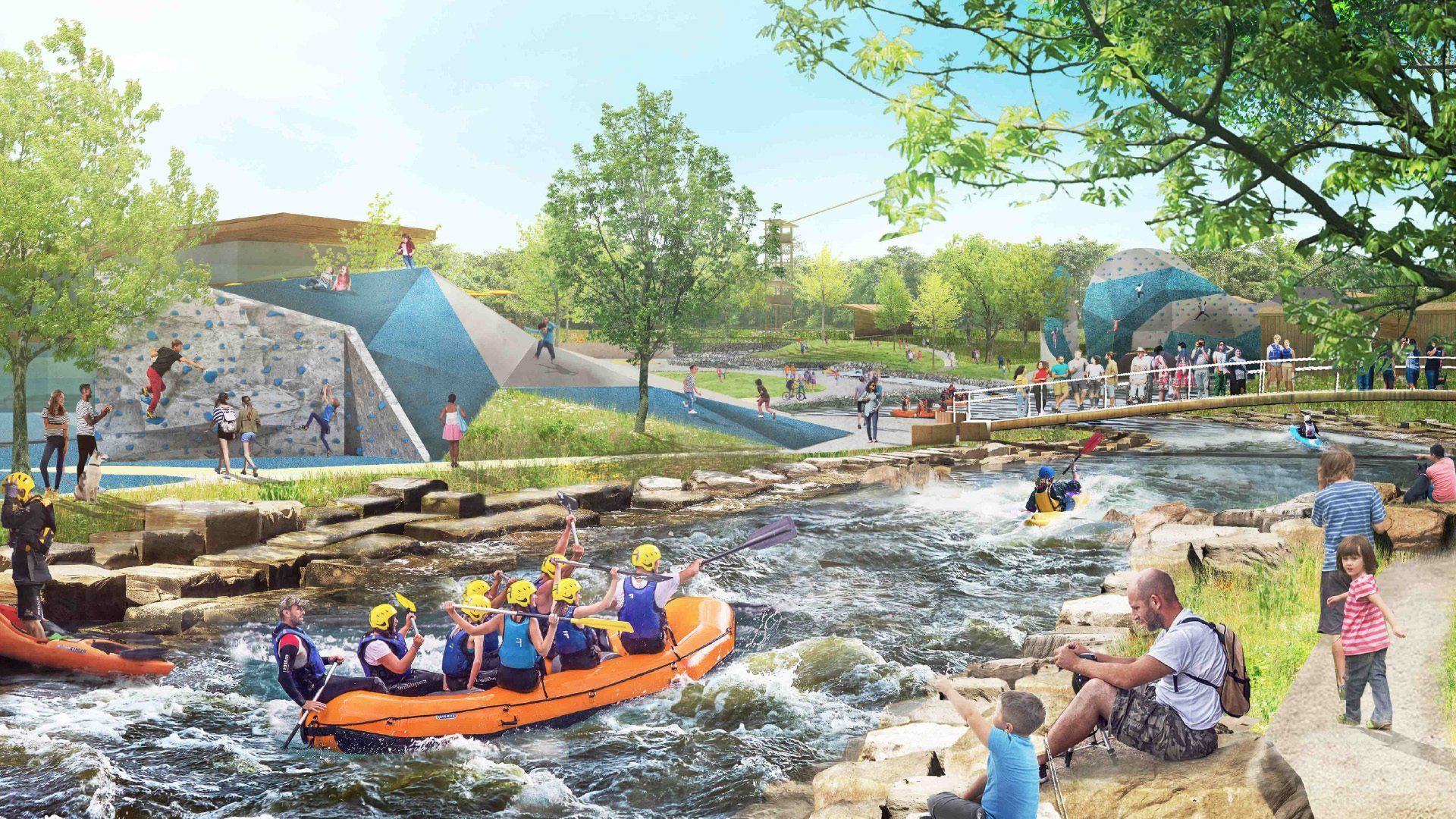
Southern Indiana will soon be home to the region’s first “climate-adaptive park,” reports David Kidd in Governing. Dubbed Origin Park, the project is a public-private partnership led by the River Heritage Conservancy. “The new park is being developed at the Falls of the Ohio, a 2-mile stretch of onetime waterfalls and rapids, since mitigated by a series of dams.” Nearby, the Ohio River Greenway features almost seven miles of multi-use paths, which will connect to Origin park via an elevated addition.
When complete, the new park will offer miles of hiking and biking trails across a natural landscape of forests, streams and meadows, all within a half-hour drive for 1.2 million people. The park is designed to remediate past environmental abuses, adapt to future flooding events, and slow years of riverbank erosion.
There’s a lot of work still to be done before the park officially opens. “Designed to be environmentally adaptable and financially sustainable, the park’s completion is years away, with a price tag projected to be at least $130 million.” As the article explains, “there are still a number of private parcels within the park’s boundaries that will need to be returned to their natural state. Some parts of the post-industrial wasteland of junk yards and landfills have already been purchased. Negotiations are underway for the rest.”
FULL STORY: The Midwest Gets Its First Climate-Adaptive Park

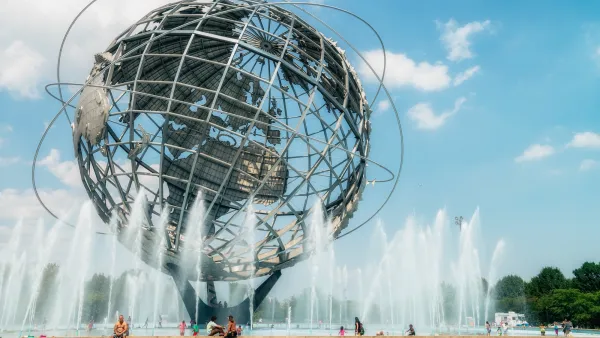
Historic Queens park is getting a $120M upgrade
The borough's largest park will undergo significant upgrades for accessibility, flood mitigation and historic preservation.
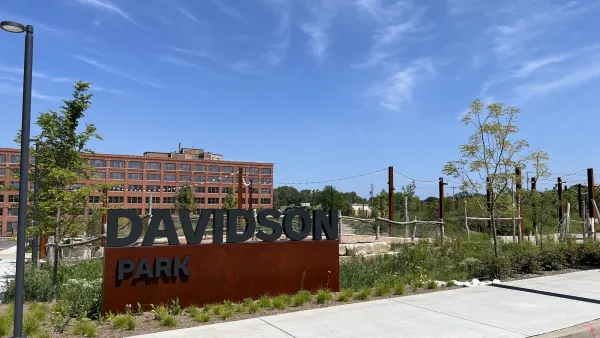
Harley-Davidson turned a Milwaukee parking lot into a green oasis
The park, adjacent to Harley-Davidson headquarters, doubles as stormwater retention infrastructure.
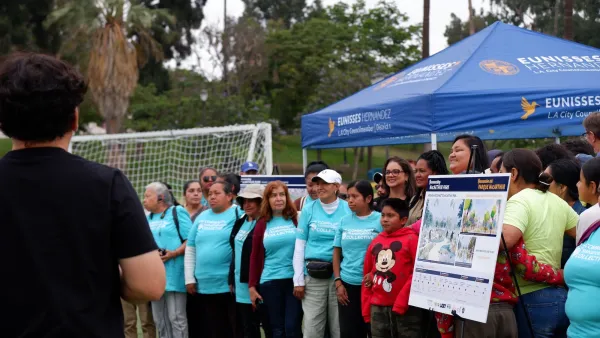
LA unveils plans to reconnect MacArthur Park
The construction of Wilshire Boulevard split the park in two in 1934.

Planetizen Federal Action Tracker
A weekly monitor of how Trump’s orders and actions are impacting planners and planning in America.

The state-sanctioned urbicide of Austin
People don’t kill cities. Freeways do.

US to reduce Colorado River water deliveries to Mexico
A new Colorado Treaty amendment reduces Mexico’s Colorado River water allocation by 250,000 acre feet.

5 New England states march closer to 800 megawatt wind energy project
Securing federal approval for the project may be complicated under the Trump administration, which has historically been hostile towards domestic wind power.

Baltimore to break ground on $50 million Transit Priority Project
The project will bring faster bus trips, safer streets and better bike connections to Baltimore.

Airbnb launches $250 million 'last-dollar financing' housing accelerator, makes first investment in Austin
The company will put $6.4 million towards affordable housing development in Texas’ capital.

FREE Course: Walkable City 1: Why Walkability?
After describing his path towards focusing on walkability as the essence of good planning, Jeff Speck marches through his five principal reasons for making more walkable places.
Reinventing Malls: Planning Alchemy—Turning Gray Fields Into Gold
The course focuses on the opportunities and imperatives that shape reinvention of mall sites.

Eagle County Government
Harvard University Graduate School of Design
Nashville Planning Department
The Architects Foundation
University of Cincinnati Online
The Pocatello Development Authority
The Urban Renewal Agency of the City of Pocatello
Journal of the American Planning Association