Thanks to a state bill, California cities can reduce speed limits on city streets by 5 miles per hour to improve traffic safety.


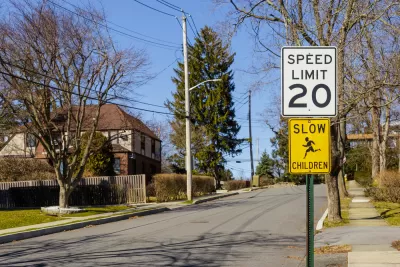
“In January, [California] Assembly Bill 43 went into effect giving local governments the authority to reduce speeds by 5 mph on smaller roads that have lower speed limits and car volumes. The bill creates a new road designation titled ‘business activity district’ for streets with speed limits 30 mph or under,” writes Jana Kadah in San Jose Spotlight.
Now, the San Jose City Council approved speed reductions on some of the city’s streets. “The locations, which include Evergreen Village Square, portions of Almaden Avenue, Jackson, Post, Santa Clara and Willow streets, will require drivers to reduce speeds from 25 to 20 mph.”
According to the article, “Traffic fatalities reached record levels last year with 60 deaths, and this year is on track to exceed that. In the first three months of 2022, 24 people died — three times higher than the nine who died by the end of March 2021.” Reducing speed limits can help drivers avoid crashes and reduces the chance of pedestrian deaths.
In addition to lower speed limits, “These roads must have street parking, traffic signals or stop signs every 600 feet, uncontrolled crosswalks and at least 50% of the adjacent property has retail and dining that opens directly onto the sidewalk,” according to Laura Wells, assistant director of the department of transportation, limiting which streets the city can select. “Wells said some of San Jose’s more dangerous corridors may also see speed reduction, but it won’t be for a while. AB 43 allows cities to change speed limits on roads with high injury rates and near vulnerable populations, but the criteria of that law is still being defined by Caltrans.”
FULL STORY: New San Jose speed limits applauded, but still fall short

Virginia Set to Pass Bill Lowering Minimum Speed Limit
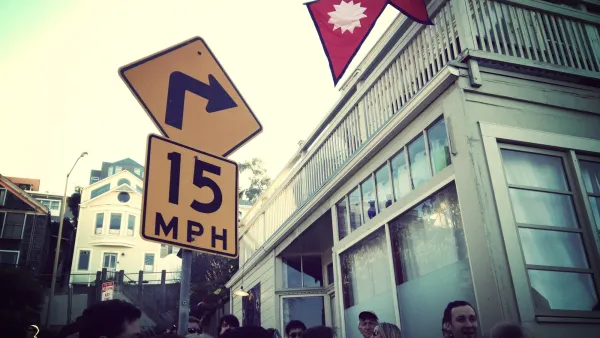
The Virginia General Assembly has passed a bill that would allow localities to set speed limits as low as 15 miles per hour.

Chicago Could Join Other Cities in Lowering Speed Limits
Lowering speed limits by just 10 miles per hour can have a major impact on traffic safety.
Philly Speed Camera Program Cuts Fatalities in Half
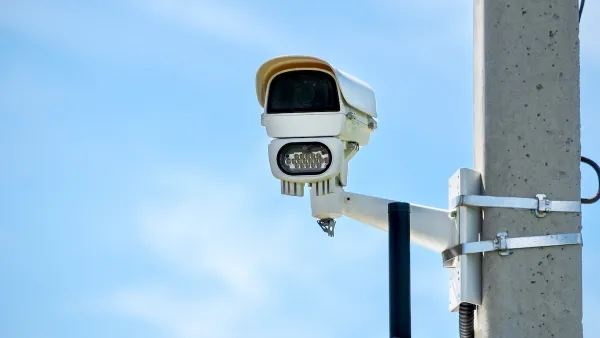
Excessive speeding along dangerous segments of Roosevelt Boulevard dropped by 90 percent after the city installed automated enforcement cameras.

Planetizen Federal Action Tracker
A weekly monitor of how Trump’s orders and actions are impacting planners and planning in America.

The state-sanctioned urbicide of Austin
People don’t kill cities. Freeways do.

US to reduce Colorado River water deliveries to Mexico
A new Colorado Treaty amendment reduces Mexico’s Colorado River water allocation by 250,000 acre feet.

5 New England states march closer to 800 megawatt wind energy project
Securing federal approval for the project may be complicated under the Trump administration, which has historically been hostile towards domestic wind power.

Baltimore to break ground on $50 million Transit Priority Project
The project will bring faster bus trips, safer streets and better bike connections to Baltimore.

Airbnb launches $250 million 'last-dollar financing' housing accelerator, makes first investment in Austin
The company will put $6.4 million towards affordable housing development in Texas’ capital.

FREE Course: Walkable City 1: Why Walkability?
After describing his path towards focusing on walkability as the essence of good planning, Jeff Speck marches through his five principal reasons for making more walkable places.
Reinventing Malls: Planning Alchemy—Turning Gray Fields Into Gold
The course focuses on the opportunities and imperatives that shape reinvention of mall sites.

Eagle County Government
Harvard University Graduate School of Design
Nashville Planning Department
The Architects Foundation
University of Cincinnati Online
The Pocatello Development Authority
The Urban Renewal Agency of the City of Pocatello
Journal of the American Planning Association