The glamour of digital technology can obscure the hard work of building healthy, sustainable cities.


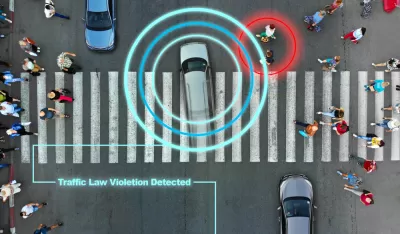
Writing in Technology Review, Riad Meddeb, interim director of the UNDP Global Centre for Technology, Innovation, and Sustainable Development, cautions that an overemphasis on “smart city” technology “risks a transactional—and limiting—approach to city improvement, focusing on immediate returns on investment or achievements that can be distilled into KPIs.”
A focus on building “smart cities” risks turning cities into technology projects. We talk about “users” rather than people. Monthly and “daily active” numbers instead of residents. Stakeholders and subscribers instead of citizens.
According to Meddeb, “Truly smart cities recognize the ambiguity of lives and livelihoods, and they are driven by outcomes beyond the implementation of ‘solutions.’ They are defined by their residents’ talents, relationships, and sense of ownership—not by the technology that is deployed there.”
Meddeb calls on cities to look beyond the flashy appeal of technology and explore the uses of digital technology while also doing the less glamorous work of tackling urgent problems like climate change, inequality, and pollution. For Meddeb, city leaders and policymakers must “move beyond the sales pitches and explore how our cities can be true platforms—not just technological ones—for inclusive and sustainable development.”
FULL STORY: We need smarter cities, not “smart cities”

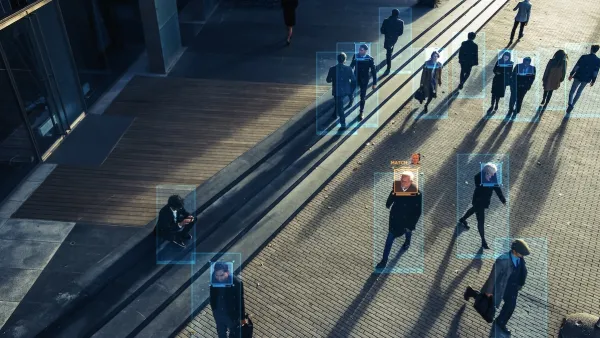
In Planning, the Possibilities With AI are High. So are the Stakes.
Planning history tells us that public trust is both fragile and essential. With AI, the time to set the right course is now.

How Smart Cities Influence Real Estate Investment
By integrating technology and infrastructure, smart cities are attracting investors with their potential for improved quality of life, efficient resource management, and innovative urban development projects.

Blockchains Inc Wanted a Massive ‘Smart City’ in Nevada but Couldn’t Muster the Water Rights
California Forever isn’t the only tech-investor-driven mega-project to make news in recent weeks. Blockchains Inc had designs on remaking a massive swath of land near Reno until water got in the way.

The state-sanctioned urbicide of Austin
People don’t kill cities. Freeways do.

US to reduce Colorado River water deliveries to Mexico
A new Colorado Treaty amendment reduces Mexico’s Colorado River water allocation by 250,000 acre feet.

New Jersey’s second-largest city bans standalone data centers
Jersey City will continue to allow co-location facilities, such as those meant for research institutions that store their own data.

Amtrak not solely to blame for New Jersey commuter rail's unreliability, report finds
A new study from the Garden State Initiative found that NJ Transit’s budget grew 20% across a 4 year period, but reliability declined significantly over the same period.

EPA erases limits on planet-warming pollution from power plants
Under Monday’s plan, power plants would still have some limits on how much mercury, arsenic and other contaminants they can emit.

Phoenix announces new on-demand transit service, more frequent RAPID buses
Both new services will launch in October, and are part of Phoenix's Project Effective Access Solutions for Easing Congestion.

FREE Course: Walkable City 1: Why Walkability?
After describing his path towards focusing on walkability as the essence of good planning, Jeff Speck marches through his five principal reasons for making more walkable places.
Reinventing Malls: Planning Alchemy—Turning Gray Fields Into Gold
The course focuses on the opportunities and imperatives that shape reinvention of mall sites.

Eagle County Government
Harvard University Graduate School of Design
Nashville Planning Department
The Architects Foundation
University of Cincinnati Online
The Pocatello Development Authority
The Urban Renewal Agency of the City of Pocatello
Journal of the American Planning Association