The ‘workers’ cottages’ are being replaced with larger, more expensive homes, threatening one of the city’s original forms of affordable housing.


“Workers cottages are ubiquitous in Chicago, though they’re perhaps not as well known by name as their younger sibling, the bungalow.” Writing for WTTW, Nick Blumberg describes this commonly overlooked form of housing. “They’re simple homes of four to six rooms with a gabled roof at the front of the house and an entrance off to one side – usually one story, sometimes two.” According to Blumberg, “The Workers Cottage Initiative estimates there are as many as 60,000 of these homes around the city. The earliest date back to the 1860s, but construction really started to take off in the 1880s.” A quarter of the parcels surveyed in McKinley Park are workers’ cottages, and the Initiative plans to complete more studies next year.
This iconic form of early affordable housing faces destruction as many of the homes are demolished to make way for new houses. “The Workers Cottage Initiative tracked demolitions in Logan Square and Avondale between 2006 and 2020. In Logan Square, 46% of buildings knocked down were workers cottages. In Avondale, 40%.”
“In many places where workers cottages are knocked down, the new homes are larger and more expensive – meaning preservation isn’t just about history, it’s about holding onto the city’s rapidly declining affordable housing.” Elizabeth Blasius of Preservation Futures says the cottages are more than a historical curiosity. “There’s still such a potential for workers cottages to fulfill our housing needs today.”
Read the full story: Cataloging and Celebrating the Workers Cottage, One of Chicago’s Original Affordable Homes

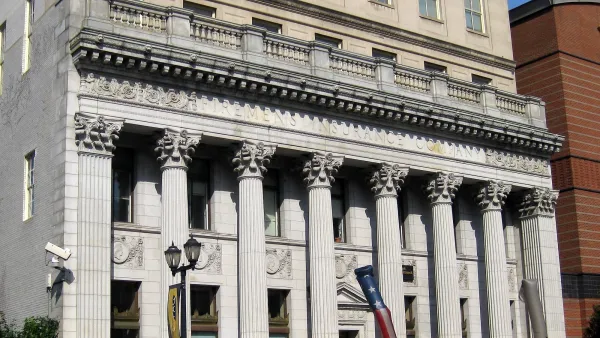
Historic Newark building to become affordable housing
The century-old building will be converted into nearly 200 homes with ground-floor retail.
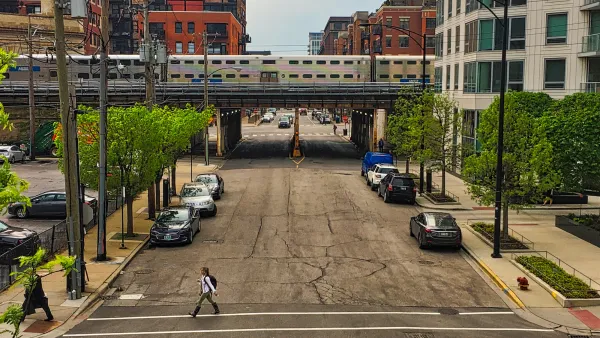
Chicago eliminates parking requirements near transit
In 2025, Illinois barred cities from mandating parking near train and bus stations.
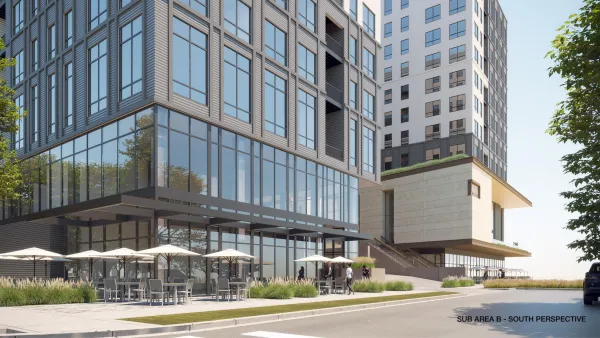
Chicago Synagogue to Build up to 605 Apartments in Redevelopment
A lakeside synagogue is applying for a zoning change to build a new complex that would include hundreds of apartments.

Planetizen Federal Action Tracker
A weekly monitor of how Trump’s orders and actions are impacting planners and planning in America.

The state-sanctioned urbicide of Austin
People don’t kill cities. Freeways do.
Colorado’s Largest Data Center Could Rise Next to Homes — Without a Public Hearing
The proposed campus would consume 11 times the power of Denver International Airport; as it has across the country, opposition mounts.

Judges permit Denver to divert 77,000 acre feet from the Colorado River for reservoir expansion
Overuse and climate change have caused the Colorado River’s water levels to plummet.
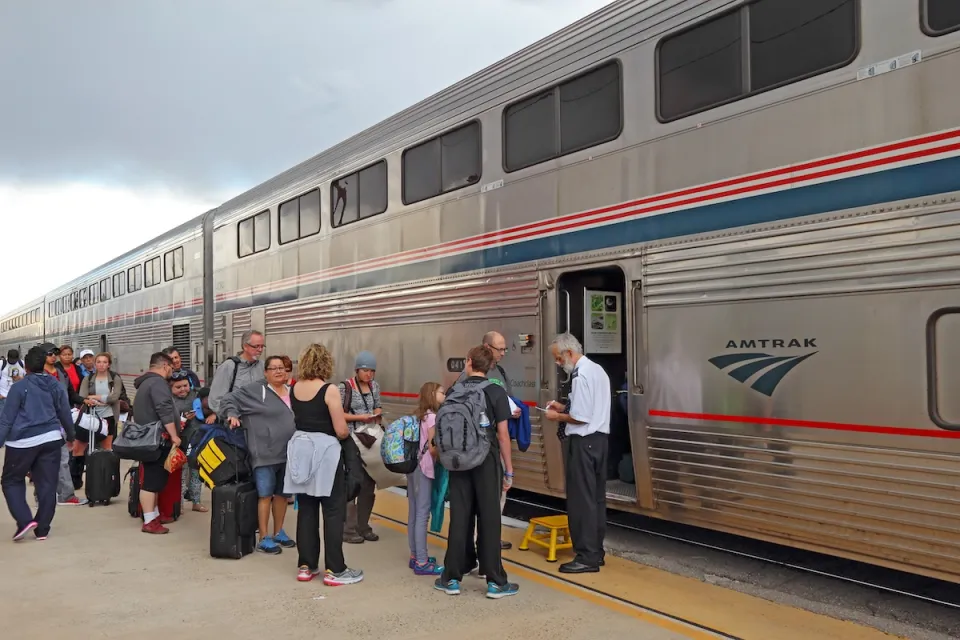
Amtrak, CN end decades-long dispute with eight-year agreement
The new operating agreement establishes an updated framework for the companies to work together, including processes to resolve disputes.

Raised interest rates may kill financially vulnerable construction projects
The chief economist at ConstructConnect warns that if construction project owners are negatively impacted by the raised rates, it could result in delayed payments to contractors.

FREE Course: Walkable City 1: Why Walkability?
After describing his path towards focusing on walkability as the essence of good planning, Jeff Speck marches through his five principal reasons for making more walkable places.
Reinventing Malls: Planning Alchemy—Turning Gray Fields Into Gold
The course focuses on the opportunities and imperatives that shape reinvention of mall sites.

KFH Group Inc.
Greater Baltimore Committee
Eagle County Government
The Architects Foundation
University of Cincinnati Online
The Pocatello Development Authority
The Urban Renewal Agency of the City of Pocatello