New data shows stratospheric housing costs in cities not named New York.


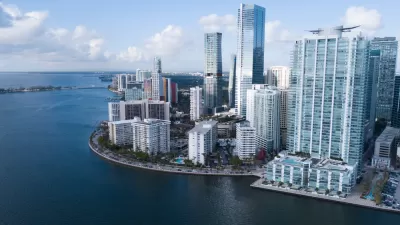
First it was Austin; now it's Miami. There is no longer an undisputed champion of the U.S. housing affordability crisis.
The RealtyHop Affordability Index for February identifies Miami as the least affordable city in the United States, above even New York (#2) and Los Angeles (#3). The report used projected median household income, local property tax data from the American Community Survey, and median for-sale home listing prices via RealtyHop data to create the index.
An article by Katherine Kallergis for the Real Deal provides more insight into the report's findings and context for the city's housing market. According to Kallergis, Miami's soaring housing prices are "propelled by the migration of out-of-state buyers and renters, many of whom have moved from the Northeast," and the relatively slow growth of wages over the same period.
The for-sale market isn't the only sign of Miami's runaway housing market. In December 2021, a separate report by Zumper estimated that rents were growing faster in Miami than anywhere else in the country. An article by Susannah Cavanaugh shares insight into the Zumper report.
Both the Zumper report and the RealtyHop warrant a caveat about housing price figures that rely on online listings, which can distort their picture of the market, as documented by numerous media observers over the years, including an article by Joe Cortright from 2018.
With those caveats in mind, it's still notable that the list of undisputed "most expensive cities" in the United States is shifting into new corners of the Sunbelt. The RealtyHop report comes just a few months after a Zillow forecast predicted Austin would soon be the most expensive homebuying market ouside California, for example. The runaway housing market has crossed state lines.
FULL STORY: Miami becomes least affordable housing market in the US

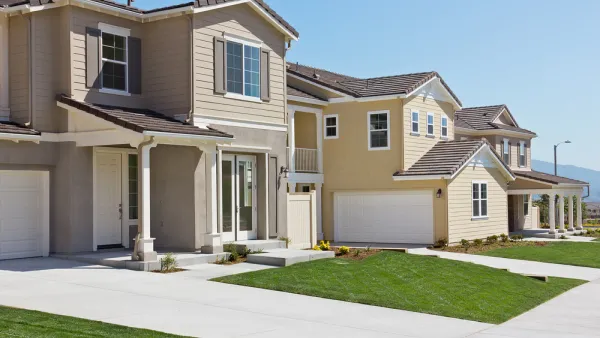
U.S. Housing Prices Continue Record-Breaking Pace
July marked four straight months of record-breaking increases for housing prices nationwide, according to the latest housing market data.
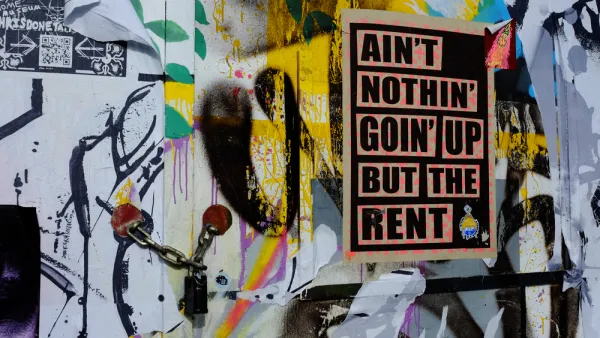
Tight For-Sale Market Leads to Record Price Spikes in the Rental Market
A supply-demand imbalance in the for-sale housing market will eventually spill into the rental market.

Housing Prices Rising Faster Than Any Point Since 2005
New home price data from CoreLogic puts numbers to the torrid 2021 housing market in the United States.

Planetizen Federal Action Tracker
A weekly monitor of how Trump’s orders and actions are impacting planners and planning in America.

The state-sanctioned urbicide of Austin
People don’t kill cities. Freeways do.

US to reduce Colorado River water deliveries to Mexico
A new Colorado Treaty amendment reduces Mexico’s Colorado River water allocation by 250,000 acre feet.

5 New England states march closer to 800 megawatt wind energy project
Securing federal approval for the project may be complicated under the Trump administration, which has historically been hostile towards domestic wind power.

Baltimore to break ground on $50 million Transit Priority Project
The project will bring faster bus trips, safer streets and better bike connections to Baltimore.

Airbnb launches $250 million 'last-dollar financing' housing accelerator, makes first investment in Austin
The company will put $6.4 million towards affordable housing development in Texas’ capital.

FREE Course: Walkable City 1: Why Walkability?
After describing his path towards focusing on walkability as the essence of good planning, Jeff Speck marches through his five principal reasons for making more walkable places.
Reinventing Malls: Planning Alchemy—Turning Gray Fields Into Gold
The course focuses on the opportunities and imperatives that shape reinvention of mall sites.

Eagle County Government
Harvard University Graduate School of Design
Nashville Planning Department
The Architects Foundation
University of Cincinnati Online
The Pocatello Development Authority
The Urban Renewal Agency of the City of Pocatello
Journal of the American Planning Association