2021 greenhouse gas emissions from U.S. transportation increased 10 percent compared to the previous year, pushing the entire world further from the emissions reductions necessary to prevent the worst effects of climate change.


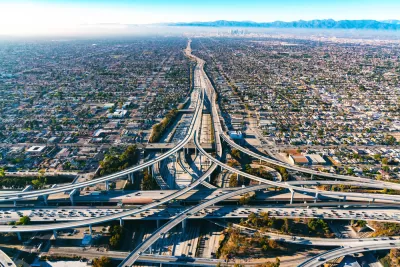
U.S. greenhouse gas emissions increased 6.2 percent compared to 2020 but still remain 5 percent lower than 2019, according to an analysis published today by Rhodium Group based on preliminary data for 2021.
According to the report, U.S. climate emissions are increasing faster that the economy—preliminary economic data estimates that year-on-year GDP grew by 5.7 percent in 2021. The report pins the blame for the rising emission totals on coal-fired power generation, which increased by 17 percent, and a 10 percent of increase from transportation.
Alfredo Rivera, Kate Larsen, Hannah Pitt, and Shweta Movalia summarize the key findings of the report in a note written for the Rhodium Group website:
The transportation and electric power sectors experienced the steepest rise in emissions relative to 2020—10% and 6.6%, respectively—both claiming back about two-thirds of the drop from 2019 levels (Figure 2). Industry, which saw the most modest drop in emissions in 2020 at 6.2%, rebounded 3.6% in 2021—making up just over half the difference from 2019 levels. Buildings saw the smallest rise in GHG emissions in 2021, growing only 1.9% from 2020, returning only a quarter of the drop in emissions from 2020.
The article also breaks down the emissions increases for the transportation sector:
Despite hopes that life would get back to normal in 2021, passenger travel never fully recovered to 2019 levels. After falling 13% in 2020, gasoline demand—indicative of demand for on-road passenger travel—rose steadily through 2021, ending the year 10% above 2020 levels. Despite air travel’s dramatic surge in 2021 (rising 26%), it remained down 24% below 2019 levels. Road freight was the only transport mode that rebounded beyond 2019 levels in 2021. Continued demand for consumer goods kept freight demand high, even surpassing 2019 levels for several months of the year. On a year-on-year basis, aggregate diesel demand rose 9% from 2020 levels, putting it at 0.4% above 2019 levels.
The transportation sector's rebounding carbon emissions once again reveal the deeply ingrained role fossil fuels are in the economy. Even with millions of Americans taking their cars off the roads while working from home, sprawling development patterns, the separation of uses, and the lack of alternative transportation infrastructure ensures that any economic increase will ride on the back of combustions engines.
The Washington Post and the Boston Globe picked up news of the report, both focusing on the news in context of the Biden administration's goals to cut the nation's emissions in half by 2030, but the consequences of the country's backsliding on carbon emissions are far broader than a political agenda. According to the Sixth Assessment Report, published by the U.N.'s International Panel on Climate Change in August 2021, the world has a greenhouse has budget of 500 gigatons of carbon dioxide –about what humans produce every ten years—to keep the warming of the planet below 1.5 degrees Celsius by the end of the century.
The source article provides more detail about the coal sector's resurgence in the past year, resulting from increased prices from natural gas, as well as how the year's results impact the country's commitment to the Paris Climate Agreement.
FULL STORY: Preliminary US Greenhouse Gas Emissions Estimates for 2021

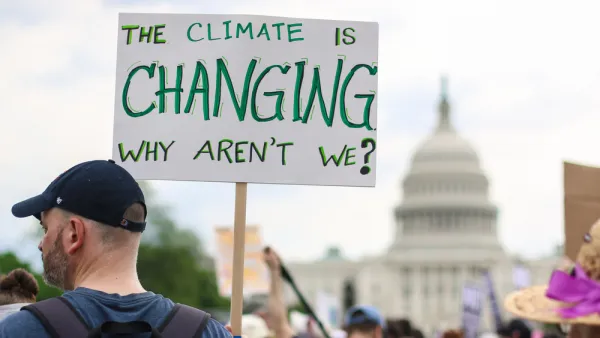
IPCC Report: The World Is Running Out of Time on Climate Change
The planet is not doing enough to reduce greenhouse gas emissions, according to a recent report published by the United Nations’ International Panel on Climate Change (IPCC).
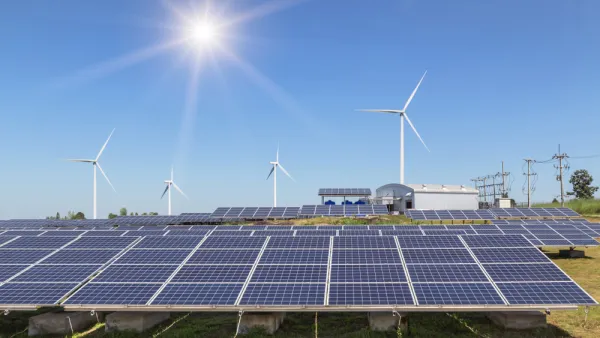
U.S. Greenhouse Gas Emissions Continue Post-Pandemic Rebound in 2022
Renewables generated more electricity than coal in 2022, according to preliminary estimates. Greenhouse gases still rose, however, due mostly to increased emissions from buildings.

The Climate Story You Might Have Missed
Surface temperatures reached 60 degrees Celsius (140 degrees Fahrenheit) in India and Pakistan at the end of April. Wet bulb temperature, the point at which the human body can no longer cool itself by sweating, is 35 degrees Celsius.

Planetizen Federal Action Tracker
A weekly monitor of how Trump’s orders and actions are impacting planners and planning in America.

The state-sanctioned urbicide of Austin
People don’t kill cities. Freeways do.

US to reduce Colorado River water deliveries to Mexico
A new Colorado Treaty amendment reduces Mexico’s Colorado River water allocation by 250,000 acre feet.

Mamdani overhauls NYC's Vision Zero plan with 100 new policy goals
The overhaul aims to reduce traffic deaths and make streets safer for pedestrians, cyclists and drivers through lower speed limits, new safety infrastructure and more.

Amtrak not solely to blame for New Jersey commuter rail's unreliability, report finds
A new study from the Garden State Initiative found that NJ Transit’s budget grew 20% across a 4 year period, but reliability declined significantly over the same period.

EPA erases limits on planet-warming pollution from power plants
Under Monday’s plan, power plants would still have some limits on how much mercury, arsenic and other contaminants they can emit.

FREE Course: Walkable City 1: Why Walkability?
After describing his path towards focusing on walkability as the essence of good planning, Jeff Speck marches through his five principal reasons for making more walkable places.
Reinventing Malls: Planning Alchemy—Turning Gray Fields Into Gold
The course focuses on the opportunities and imperatives that shape reinvention of mall sites.

Eagle County Government
Harvard University Graduate School of Design
Nashville Planning Department
The Architects Foundation
University of Cincinnati Online
The Pocatello Development Authority
The Urban Renewal Agency of the City of Pocatello
Journal of the American Planning Association