To fight increasingly devastating wildfires, government officials and landowners must develop new strategies that proactively address the biggest risk factors.


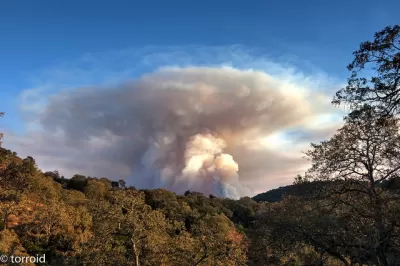
After another devastating fire season, three new scientific papers outline a plan for "how land managers and policymakers can move from passive to proactive wildfire and forest management," writes Kylie Mohr.
As climate change intensifies wildfires across the West, officials can reduce some of the impacts through a variety of strategies.
These include thinning dense forests that haven’t recently burned, removing some flammable shrubs and bushes, allowing wildfires to burn when conditions are appropriate, and ramping up Indigenous fire stewardship practices, including prescribed burns. If forests are managed well, they’ll still burn — but the fires won’t be so devastating.
The papers, which present facts and misconceptions about a laundry list of management practices, could help landowners and government agencies develop more effective fire management plans. The challenges, writes Mohr, are many: "getting vast numbers of private landowners to work together and understand what they need to do, dealing with federal and state regulatory barriers, permitting red tape, an insufficient federal workforce, a lack of funding, the risks stemming from liability and insurance policies, and a deeply ingrained fire suppression mentality."
Wildfires have grown more severe as climate change worsens 'fire weather' conditions and sprawl puts more communities at risk. Experts suggest that smarter urban growth policies such as infill development and formalized guidance for development in fire-prone areas can mitigate the risk and reduce the damage caused by wildfire.
Read the full story: Why fire experts are hopeful

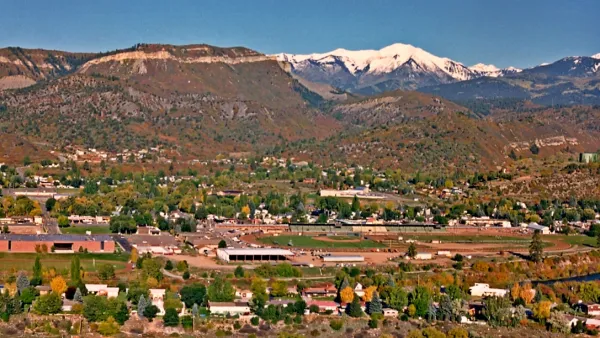
More Colorado Suburbs at Risk for Wildfires
Experts warn that more intense fires fueled by a warming climate are threatening an increasing number of Colorado's suburban communities.
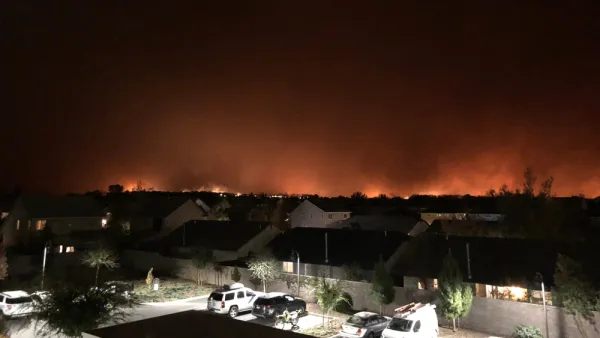
Study: Climate Change Overwhelmingly Responsible for 'Fire Weather'
New research points to global warming as the biggest factor in fueling longer, more destructive wildfire seasons.
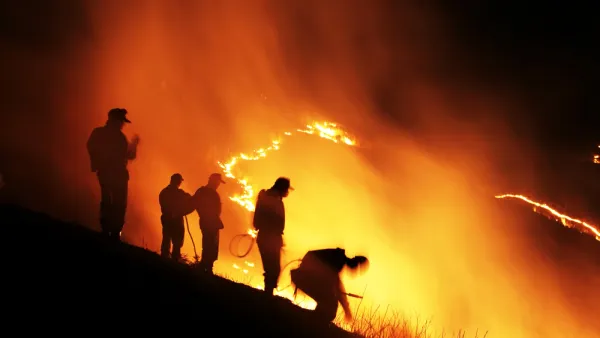
'Fire Weather' Is Stoking More Extreme Wildfires
The number of annual 'fire weather' days has increased over the past 50 years, leading to deadlier and more massive fires in the West.

Planetizen Federal Action Tracker
A weekly monitor of how Trump’s orders and actions are impacting planners and planning in America.

Amtrak, CN end decades-long dispute with eight-year agreement
The new operating agreement establishes an updated framework for the companies to work together, including processes to resolve disputes.

Judges permit Denver to divert 77,000 acre feet from the Colorado River for reservoir expansion
Overuse and climate change have caused the Colorado River’s water levels to plummet.

NYC DOT wants faster, more permanent street upgrades
The city is examining ways to build more concrete infrastructure without getting entangled in 'decades-long' projects.

'Something we’ve never seen before:' rising utility rates could strain city finances nationwide
Data centers, climate change and other factors have caused utility rates in the United States to increase by 38% since 2020.

Trump to overrule local leaders, lease millions of acres of America’s Pacific Island territories’ seafloors to mining companies
International law says that the Indigenous people of America’s territories have a right to prior and informed consent regarding projects that impact their countries.

FREE Course: Walkable City 1: Why Walkability?
After describing his path towards focusing on walkability as the essence of good planning, Jeff Speck marches through his five principal reasons for making more walkable places.
Reinventing Malls: Planning Alchemy—Turning Gray Fields Into Gold
The course focuses on the opportunities and imperatives that shape reinvention of mall sites.

Harvard University Graduate School of Design
KFH Group Inc.
Greater Baltimore Committee
The Architects Foundation
University of Cincinnati Online
The Pocatello Development Authority
The Urban Renewal Agency of the City of Pocatello