The city of Jacksonville's new resiliency department will evaluate the city's long-term needs and coordinate with various stakeholders to implement systems adaptable to extreme climate events.


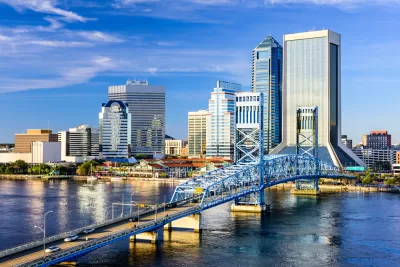
Brendan Rivers interviews Anne Coglianese, the first Chief Resiliency Officer for the city of Jacksonville. Coglianese, who "came to Jacksonville from New Orleans, where she served as Coastal Resilience Manager from 2017 to 2020," defines resiliency as "the ability of city systems to adapt and thrive in the face of acute shocks like a hurricane or chronic stresses like sea level rise or urban heat."
As climate change intensifies the effects of extreme weather, resiliency is more important than ever, particularly for coastal cities. Coglianese's job entails "breaking down silos within city government, working with outside stakeholders and the independent authorities in and around Jacksonville that make decisions, whether that’s JEA or JTA, and making sure that everyone’s pushing in the same direction and thinking long term." She sees the "luxury" to think long-term as one of the most important aspects of her work, which will let her department "really look at what’s the latest in science and data, where do we need to go and then what interventions need to be put in place to allow city departments to move in that direction together."
For Jacksonville, flooding and urban heat pose some of the biggest risks. To address those risks, Coglianese sees "gray infrastructure and green infrastructure as working in concert together. For a city to be resilient, you need some of those redundancies built in." Coglianese also addresses equity as a crucial part of building resiliency and believes her department's work "needs to be developed based on the best science and data and models."
FULL STORY: A Q&A With Jacksonville’s First-Ever Chief Resilience Officer


Norfolk Plans for Resilience in the Face of Climate Change
The Ohio Creek Watershed Project aims to protect the city's coastline and prepare for future sea level rise.
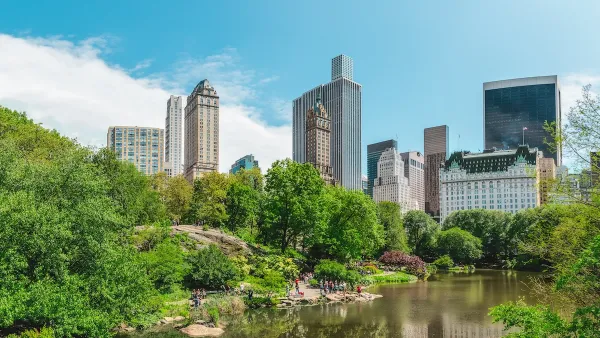
Public Parks as Climate Resilience Tools
Designed with green infrastructure, parks can mitigate flooding, reduce urban heat, and enhance climate resilience, offering cost-effective solutions to environmental challenges while benefiting communities.
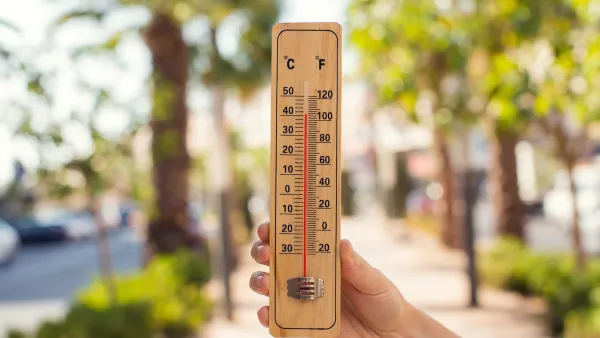
Study: Urban Trees Lose Cooling Benefits in Extreme Heat
A robust tree canopy can help reduce the urban heat island effect and lower air temperatures, but the impact is reduced as temperatures rise.

The state-sanctioned urbicide of Austin
People don’t kill cities. Freeways do.

US to reduce Colorado River water deliveries to Mexico
A new Colorado Treaty amendment reduces Mexico’s Colorado River water allocation by 250,000 acre feet.

New Jersey’s second-largest city bans standalone data centers
Jersey City will continue to allow co-location facilities, such as those meant for research institutions that store their own data.

Amtrak not solely to blame for New Jersey commuter rail's unreliability, report finds
A new study from the Garden State Initiative found that NJ Transit’s budget grew 20% across a 4 year period, but reliability declined significantly over the same period.

EPA erases limits on planet-warming pollution from power plants
Under Monday’s plan, power plants would still have some limits on how much mercury, arsenic and other contaminants they can emit.

Phoenix announces new on-demand transit service, more frequent RAPID buses
Both new services will launch in October, and are part of Phoenix's Project Effective Access Solutions for Easing Congestion.

FREE Course: Walkable City 1: Why Walkability?
After describing his path towards focusing on walkability as the essence of good planning, Jeff Speck marches through his five principal reasons for making more walkable places.
Reinventing Malls: Planning Alchemy—Turning Gray Fields Into Gold
The course focuses on the opportunities and imperatives that shape reinvention of mall sites.

Eagle County Government
Harvard University Graduate School of Design
Nashville Planning Department
The Architects Foundation
University of Cincinnati Online
The Pocatello Development Authority
The Urban Renewal Agency of the City of Pocatello
Journal of the American Planning Association