Washington, D.C. officials are urging modifications to key components of a proposal to build a maglev system between D.C. and Baltimore, citing disruptions to neighborhoods and cost concerns.


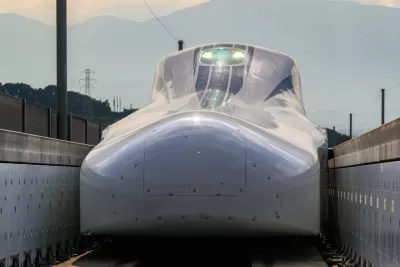
In comments submitted to the Federal Railroad Administration (FRA), Washington, D.C. "is urging federal officials to modify key aspects of a proposed high-speed maglev train line before deciding whether to support a project that would take passengers between Washington and Baltimore in 15 minutes." As reported by Luz Lazo, the Northeast Maglev project aims to be in operation by 2030 and could be part of a future system "that eventually would carry passengers between D.C. and New York in an hour."
However, "[a]mong the District’s biggest objections is a 1,000-parking space garage proposed for Mount Vernon Square," which the comments call "an antiquated and inefficient way of managing transportation demand to the station." D.C. officials "echoed concerns raised by Baltimore and other project critics that the service would only be available to wealthier residents. The expected average fare would be $60 for a one-way trip, although it could vary between $27 and $80 per trip, project documents indicate."
Rather than building a new train system, critics argue, "the region should invest in improving existing rail operations, such as Amtrak and MARC commuter train service." The District's comments also called for "better pedestrian and bike connections, as well as links to the Convention Center, and to Metro stations at Gallery Place and Metro Center."
FULL STORY: D.C. wants changes to maglev train proposal, citing downtown disruptions and increased traffic

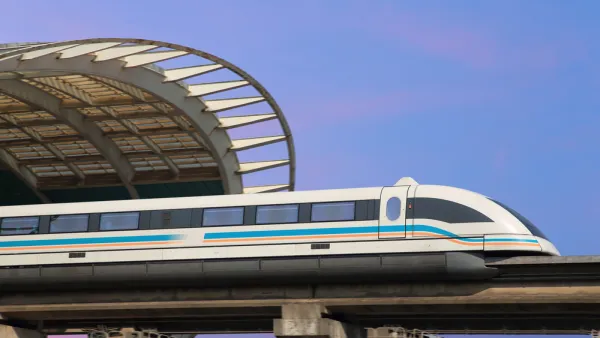
Federal Review of High-Speed Maglev Train Between D.C. and Baltimore Nearing the Finish Line
The Federal Railroad Administration recently released a preliminary study of a proposed high-speed maglev train route between Baltimore and Washington, D.C.
Feds Award nearly $28 Million for Washington to Baltimore Maglev Project
The 105-year old Hudson River Rail Tunnels may desperately need replacement, but the Federal Railroad Administration also has an eye on the future, awarding $27.8 million to prepare a maglev application between Washington and Baltimore.
D.C. Transit Agencies Ready to Serve Returning Commuters
The region's transit providers are gearing up to provide enhanced service, shorter headways, and reduced or free fares as more people return to public transportation.

Planetizen Federal Action Tracker
A weekly monitor of how Trump’s orders and actions are impacting planners and planning in America.

The state-sanctioned urbicide of Austin
People don’t kill cities. Freeways do.

US to reduce Colorado River water deliveries to Mexico
A new Colorado Treaty amendment reduces Mexico’s Colorado River water allocation by 250,000 acre feet.

5 New England states march closer to 800 megawatt wind energy project
Securing federal approval for the project may be complicated under the Trump administration, which has historically been hostile towards domestic wind power.

Baltimore to break ground on $50 million Transit Priority Project
The project will bring faster bus trips, safer streets and better bike connections to Baltimore.

Airbnb launches $250 million 'last-dollar financing' housing accelerator, makes first investment in Austin
The company will put $6.4 million towards affordable housing development in Texas’ capital.

FREE Course: Walkable City 1: Why Walkability?
After describing his path towards focusing on walkability as the essence of good planning, Jeff Speck marches through his five principal reasons for making more walkable places.
Reinventing Malls: Planning Alchemy—Turning Gray Fields Into Gold
The course focuses on the opportunities and imperatives that shape reinvention of mall sites.

Eagle County Government
Harvard University Graduate School of Design
Nashville Planning Department
The Architects Foundation
University of Cincinnati Online
The Pocatello Development Authority
The Urban Renewal Agency of the City of Pocatello
Journal of the American Planning Association