After seeing dramatic cuts in service and ridership during the pandemic, transit agencies have a small window of opportunity to gain and retain regular passengers.


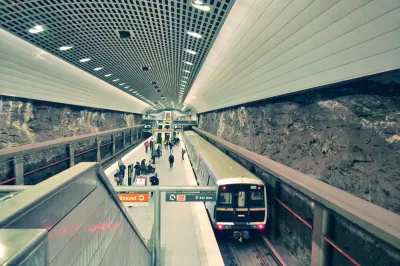
Because "we’re in the midst of an unprecedented period when millions of people are reevaluating their travel habits," writes David Zipper for Bloomberg CityLab, now is the time for transit agencies to radically rethink their strategies for attracting and retaining passengers. "If there is ever a time for local leaders to nudge residents toward transit and away from driving, this is it."
Zipper recommends several tactics for getting more people on buses and trains, such as offering free tickets, multimodal rewards, touchless payments, and emergency car rides for regular riders, a service implemented by several agencies before the pandemic. "These programs provide a kind of insurance if a rider urgently needs to travel at a time when bus or train service is unavailable (i.e., a mid-day trip to pick up a sick child at school, or a ride home after unexpectedly needing to work late). Ideally, they will enable more residents to opt for transit, secure in the knowledge that they can handle a sudden emergency without breaking their travel budget."
Zipper cautions, however, that while these small fixes can help make transit more accessible and more attractive, "[p]retty much everyone agrees that the key to sustained transit ridership growth is providing reliable, frequent and accessible service. Thankfully, an infusion of federal funds has now allowed many agencies to bring service back to pre-pandemic levels."
FULL STORY: 4 Ways Transit Can Lure Back Post-Covid Commuters

Lessons for Transit Ridership From Past Pandemics
While COVID-19 is a unique moment in American history, experiences from past pandemics shed light on how the pandemic might shape public transit ridership.
Post-Pandemic Transit Likely To Remain Less Commuter-Focused
While the future of transit ridership depends on a range of still-uncertain factors, the commuter-centric patterns that characterized pre-COVID transit service are probably a thing of the past.
Transit Agencies Direct Resources to Core Ridership
As commuter ridership continues to lag due to the pandemic, transit systems are adjusting to better serve the essential workers and transit-dependent households who need them the most.

Planetizen Federal Action Tracker
A weekly monitor of how Trump’s orders and actions are impacting planners and planning in America.

The state-sanctioned urbicide of Austin
People don’t kill cities. Freeways do.

US to reduce Colorado River water deliveries to Mexico
A new Colorado Treaty amendment reduces Mexico’s Colorado River water allocation by 250,000 acre feet.

Mamdani overhauls NYC's Vision Zero plan with 100 new policy goals
The overhaul aims to reduce traffic deaths and make streets safer for pedestrians, cyclists and drivers through lower speed limits, new safety infrastructure and more.

Amtrak not solely to blame for New Jersey commuter rail's unreliability, report finds
A new study from the Garden State Initiative found that NJ Transit’s budget grew 20% across a 4 year period, but reliability declined significantly over the same period.

EPA erases limits on planet-warming pollution from power plants
Under Monday’s plan, power plants would still have some limits on how much mercury, arsenic and other contaminants they can emit.

FREE Course: Walkable City 1: Why Walkability?
After describing his path towards focusing on walkability as the essence of good planning, Jeff Speck marches through his five principal reasons for making more walkable places.
Reinventing Malls: Planning Alchemy—Turning Gray Fields Into Gold
The course focuses on the opportunities and imperatives that shape reinvention of mall sites.

Eagle County Government
Harvard University Graduate School of Design
Nashville Planning Department
The Architects Foundation
University of Cincinnati Online
The Pocatello Development Authority
The Urban Renewal Agency of the City of Pocatello
Journal of the American Planning Association