The methodology calls for authentic participation and a willingness to engage stakeholders in a "collaborative and empathic" placemaking process.


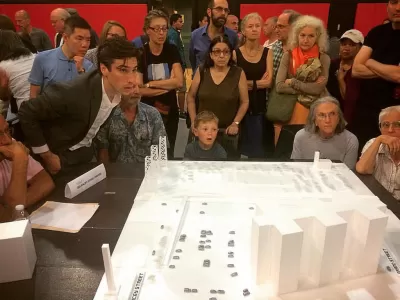
Steven Bingler, founder and president of planning and design practice Concordia, outlines his organization's principles for what he calls Community CoDesign, a set of values aimed at developing a "collaborative and empathic approach to placemaking to address the growing complexities of climate change, public health, endemic poverty, social inequities and other challenges of the 21st century."
"In the design arts, one significant example of community codesign emerged during the Great Depression through the WPA’s Federal Art Project, when teams of planners, designers, artists, and artisans came together to craft a whole-community art form, expressed through the design of public spaces, architecture, sculpture, murals, set design, theatrical performance, music, and dance. Multidisciplinary collaborations became a tool for rallying pride, creating employment, illuminating common necessities, arousing an awareness of the suffering of people, and drawing attention to the need for the conservation of natural resources."
The Depression-era programs had a profound impact on American design well after they ended, with many of the projects enduring as popular attractions and points of civic pride today. Bingler claims that a similar approach can help planners and designers create more inclusive design processes to address today's urgent issues, including climate change and sea level rise. As a New Orleans-based firm, Concordia and its staff have first-hand experience with the devastating effects of coastal flooding and displacement. Concordia's methodology, Bingler writes, is grounded in six core values: honest engagement, authentic stakeholder participation, drawing from local talent and leadership, an "all-one" strategy, willingness to let go when the need arises, and commitment to the common good.
The challenges of urbanization and climate change, he argues, can only be faced through a shared vision. "The fate of future generations will be determined by the swift, smart and compassionate actions of today’s planning and design professionals, working hand and heart with the public they are here to serve."
Read the full story: The Principles of Community CoDesign

Study: How California Can Shift Away From Car-Oriented Development
While the state continues to rely on driving as a primary means of transportation, fighting climate change and the worsening housing crisis means implementing policies that encourage infill development, higher density, and public transit.
What Biden's First 100 Days Will Look Like for Transportation
The new administration's policies are likely to promote clean energy and equity goals and focus resources on maintenance of existing infrastructure.
Coastal Cities Setting the Sustainable Development Standard
Although no U.S. region has yet to even get halfway to sustainability goals set by the Paris Climate Agreement, certain U.S. cities are doing better than the rest.

Planetizen Federal Action Tracker
A weekly monitor of how Trump’s orders and actions are impacting planners and planning in America.

Colorado’s Largest Data Center Could Rise Next to Homes — Without a Public Hearing
The proposed campus would consume 11 times the power of Denver International Airport; as it has across the country, opposition mounts.

US to reduce Colorado River water deliveries to Mexico
A new Colorado Treaty amendment reduces Mexico’s Colorado River water allocation by 250,000 acre feet.

'This is going to be painful:’ Virginia stares down $1.7 billion funding gap for highway maintenance
The state may address the deficit by shifting $290 million from its construction budget to maintenance projects.
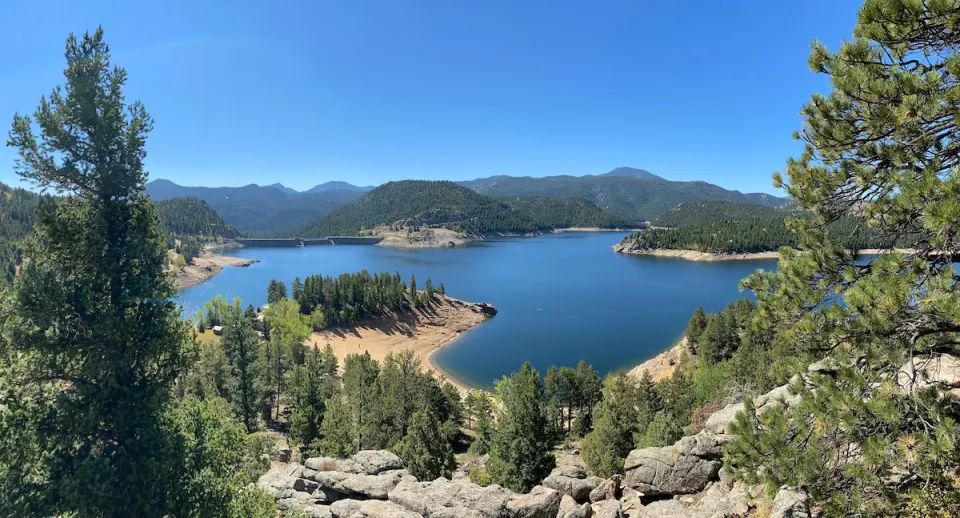
Judges permit Denver to divert 77,000 acre feet from the Colorado River for reservoir expansion
Overuse and climate change have caused the Colorado River’s water levels to plummet.
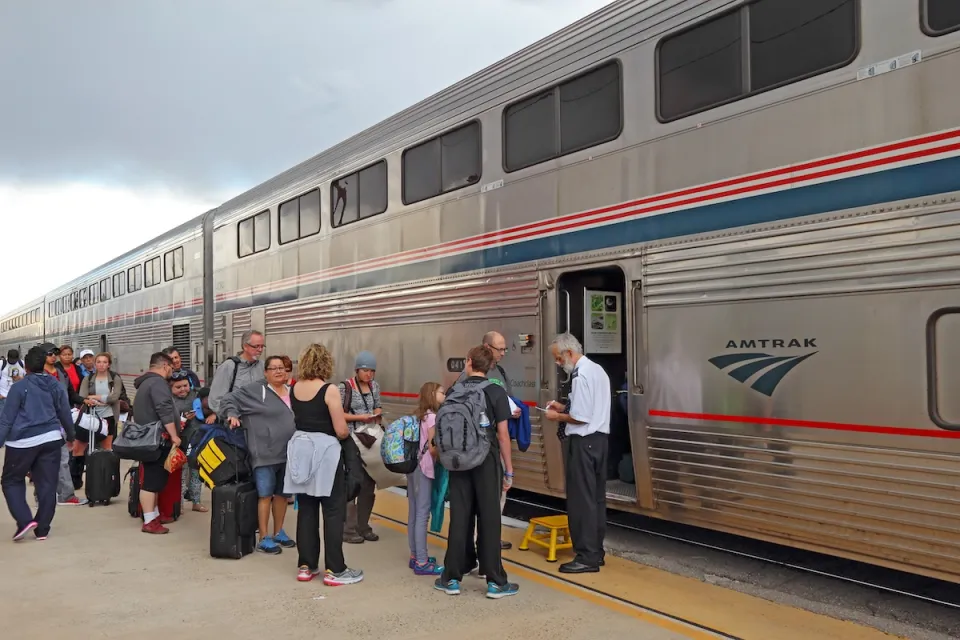
Amtrak, CN end decades-long dispute with eight-year agreement
The new operating agreement establishes an updated framework for the companies to work together, including processes to resolve disputes.

FREE Course: Walkable City 1: Why Walkability?
After describing his path towards focusing on walkability as the essence of good planning, Jeff Speck marches through his five principal reasons for making more walkable places.
Reinventing Malls: Planning Alchemy—Turning Gray Fields Into Gold
The course focuses on the opportunities and imperatives that shape reinvention of mall sites.

KFH Group Inc.
Greater Baltimore Committee
Eagle County Government
The Architects Foundation
University of Cincinnati Online
The Pocatello Development Authority
The Urban Renewal Agency of the City of Pocatello