The city's proposed comprehensive planning bill could create a more equitable and collaborative planning process


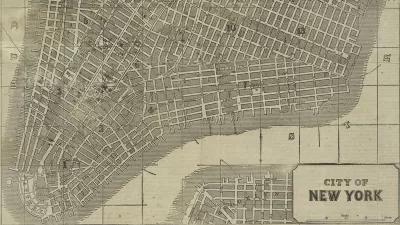
The New York city council's proposed comprehensive long-term planning bill, write Danny Pearlstein and David Tipson in the Gotham Gazette, "has the potential to foster a more equitable and rational planning process to guide land-use changes in New York City." However, the authors caution that "comprehensive planning is about much more than land use" and involved decisions that affect "education, transportation, public health and safety, sustainability," and all aspects of city life. Comprehensive planning could end the "piecemeal" decision-making that has crippled the city's development policies.
The authors argue that the lack of meaningful, comprehensive design guidelines lead to a host of urban problems such as overcrowded schools, excessive traffic and damage to local roads, and dead streetscapes. A "formal process that provide[s] meaningful opportunities for the community to engage in planning" can address these issues and bring forward important community concerns early on. Comprehensive planning promises a pathway to adherence to "clear and immovable guiding principles such as racial justice, reduction of segregation in schools and neighborhoods, net creation of affordable housing, and prioritization of public transit and pedestrian safety and accessibility" through multi-agency coordination and collaboration.
"New York City’s exceptional size, complexity, and competing needs only increase the necessity of a formal and predictable planning process." The proposed amendments to the comprehensive plan would "enshrine better public transit," "give local communities a real opportunity to plan proactively without being allowed to override the public good of the city as a whole," and "ensure that the plan will actually guide official decision-making."
Read the full story: Comprehensive Planning is Not Just About Housing and Zoning


Seattle Ponders a New Approach to Zoning for its Comprehensive Plan Update
The city of Seattle will have an updated comprehensive plan by the end of 2024, with zoning changes to follow by 2025.

Dallas Launches New Comprehensive Plan Process—15 Years After ForwardDallas
The city of Dallas adopted the ForwardDallas plan in 2006, setting a grand ambition for a more walkable, transit-friendly city. Some of the work toward that vision will have to continue with the next comprehensive plan.

Comprehensive Plan Update Stokes Controversy in D.C.
Complex political dynamics are mustering for a showdown over D.C.'s comprehensive plan.

Planetizen Federal Action Tracker
A weekly monitor of how Trump’s orders and actions are impacting planners and planning in America.

The state-sanctioned urbicide of Austin
People don’t kill cities. Freeways do.

US to reduce Colorado River water deliveries to Mexico
A new Colorado Treaty amendment reduces Mexico’s Colorado River water allocation by 250,000 acre feet.

Nation's most wind-powered state turns to coal as data centers increase energy demand
For the first time in decades, Iowa has increased its generation of coal power.

NYC cools commuters with city's first rain garden above a bus stop
New York City officials say the plants in the rain garden can absorb 16 gallons of rainwater during heavy storms.

Brightline West’s future may rely on $6 billion federal loan
The company has until Nov. 2 to make a $400 million equity investment into its proposed high-speed rail line.

FREE Course: Walkable City 1: Why Walkability?
After describing his path towards focusing on walkability as the essence of good planning, Jeff Speck marches through his five principal reasons for making more walkable places.
Reinventing Malls: Planning Alchemy—Turning Gray Fields Into Gold
The course focuses on the opportunities and imperatives that shape reinvention of mall sites.

Greater Baltimore Committee
Eagle County Government
Harvard University Graduate School of Design
The Architects Foundation
University of Cincinnati Online
The Pocatello Development Authority
The Urban Renewal Agency of the City of Pocatello
Journal of the American Planning Association