The ITDP's new Pedestrians First tool describes why and how to improve walking conditions, and provides comprehensive analysis of walkability for 1000 cities.


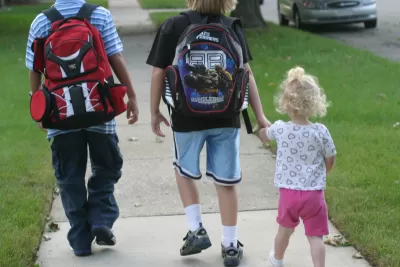
Walkability is the foundation of any type of transportation. Virtually all trips involve walking, and walking conditions affect the quality of our lives and communities in countless ways.
The Institute for Transportation and Development Policy's new Pedestrians First website provides detailed information concerning why and how to improve walking conditions in your community, and includes an online tool for evaluating and comparing walkability of specific cities, neighborhoods and streets, with walkability data for nearly 1,000 metropolitan areas worldwide. It also includes an interactive map, downloadable infographic and comprehensive report.


Read the full story: Pedestrians First
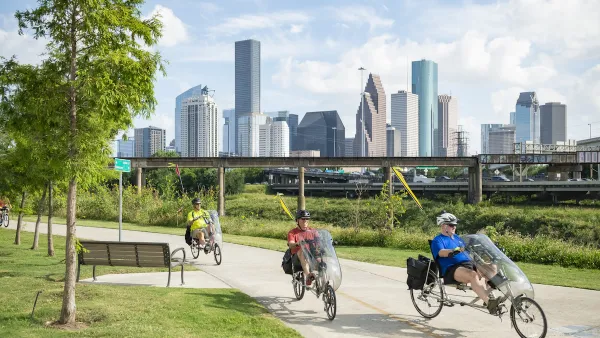
Houston Developers Question Mayor’s Stance on Pedestrian Projects
The new mayor’s reversal of road safety projects, some already underway or completed, is raising eyebrows among developers who say residents want walkable, mixed-use streets.
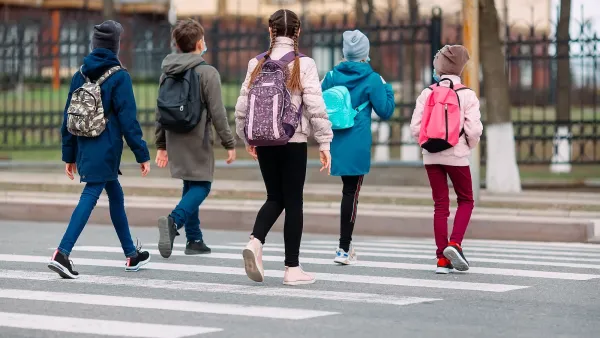
The number of kids walking to school dropped from over 50% to 11% since the 1960s
Unsafe pedestrian infrastructure makes walking to school dangerous or impossible for a growing number of American students.
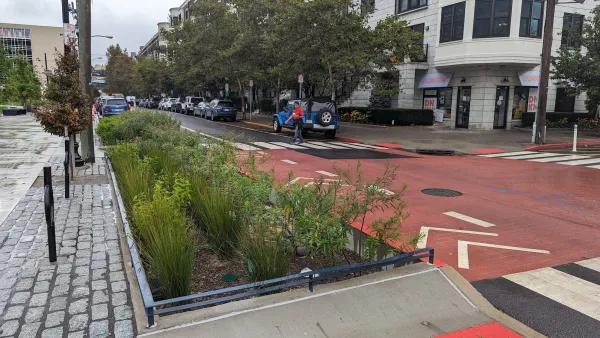
Hoboken's $20 Vision Zero fix
The New Jersey city eliminated traffic deaths for the last nine years in a row.

Planetizen Federal Action Tracker
A weekly monitor of how Trump’s orders and actions are impacting planners and planning in America.

Washington state to charge fee to drivers with fuel-efficient cars
Revenue from the fee will go towards supporting the state’s highways.

Trump to blast ‘hydrocarbon highway’ through ‘world’s longest art gallery’
Environmental and historic preservation groups are suing to stop the project.

Mamdani to replace Rikers Island with four borough-based jails
The four new jails are set to open between 2029 and 2032.

NYC may allow residents to ‘adopt’ storm drains
A new proposal would establish a volunteer program where residents could help clean debris from storm drains.

‘A price cannot be put on democracy:’ Local leaders protest UMich data center
The 1.25 billion-dollar project would take up 144 acres of land in Ypsilanti Township.

FREE Course: Walkable City 1: Why Walkability?
After describing his path towards focusing on walkability as the essence of good planning, Jeff Speck marches through his five principal reasons for making more walkable places.
Reinventing Malls: Planning Alchemy—Turning Gray Fields Into Gold
The course focuses on the opportunities and imperatives that shape reinvention of mall sites.

City of Charlotte
City of Rosemead
Rutgers University, Edward J. Bloustein School of Planning and Public Policy
University of Michigan School for Environment and Sustainability (SEAS)
Hunter College, City University of New York (CUNY)
The Architects Foundation
University District Partnership