Public transit, employment, homelessness, foreclosures—all hang in the balance as the federal government falters with a proposed economic recovery package. So does the prospect of going to a show after the pandemic.


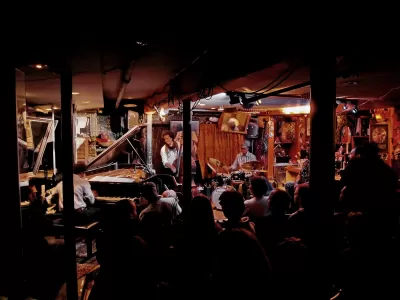
The announcement by President Trump on Tuesday that Congressional Republicans should end negotiations for an economic relief package—sorely needed by so many industries, people, and governments in the country—also came as a death knell to the live music industry.
"While that bizarre statement proved that there's no relief in sight for the unemployed, the service industry, small businesses, and more, Trump also effectively doomed hundreds, if not thousands of independent venues who need a bailout to survive the pandemic," according to an article by Josh Terry.
Here are the brutal details of the implications of the failed stimulus package for independent music venues in the country:
The National Independent Venue Association, which is composed of over 2,800 venues across all 50 states, has been fighting for the survival of these spaces since April following mass closures and the cancellation of live music events. But after months of partisan deadlock on Congress, a couple tweets from the President basically wiped out all hope of long overdue Federal assistance. An oft-cited NIVA survey says that 90% of independent venues will be forced to permanently shutter by the end of the year if they don't get a bailout; that's becoming a reality.
In short, it will be a bloodbath—a bloodbath that many predicted, and more than once. But the bloodbath is already here. Terry lists the casualties: "Just this week, Washington D.C.'s iconic U Street Music Hall closed for good along with Des Moines, Iowa's Vaudeville Mews. These losses are piling up, even in music bastions like Nashville and New Orleans."
FULL STORY: Trump Just Doomed Independent Music Venues

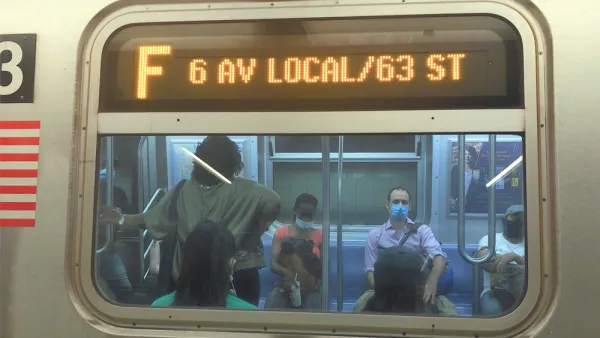
What's in the New Economic Stimulus Package for U.S. Transit Agencies
A new economic stimulus package that appears headed for approval as of this writing will give $15 billion to public transit, far less than transit advocates had hoped, but far better than nothing.
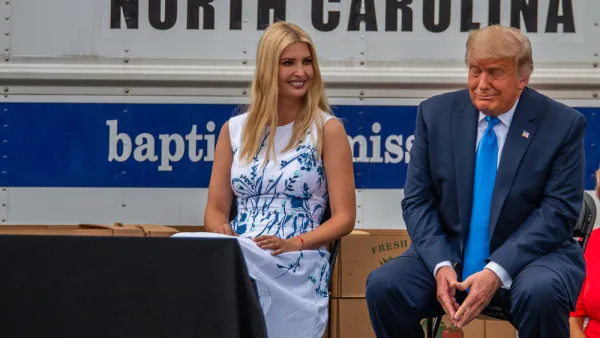
Trump Neglects Cities to the Peril of the Economy, Experts Say
President Trump is infamous for politicizing civil unrest in cities, but his leadership's animus to urban areas is found in policy as well, despite the importance of large cities to the nation's economy.
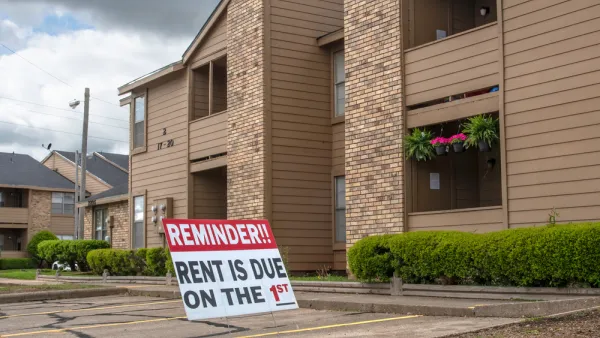
Census: 7 Million Americans Are Behind on Rent
With the federal eviction moratorium due to expire at the end of the month and rent relief programs failing to reach those who need it most, an eviction crisis still looms.

Planetizen Federal Action Tracker
A weekly monitor of how Trump’s orders and actions are impacting planners and planning in America.

The state-sanctioned urbicide of Austin
People don’t kill cities. Freeways do.

US to reduce Colorado River water deliveries to Mexico
A new Colorado Treaty amendment reduces Mexico’s Colorado River water allocation by 250,000 acre feet.

Mamdani overhauls NYC's Vision Zero plan with 100 new policy goals
The overhaul aims to reduce traffic deaths and make streets safer for pedestrians, cyclists and drivers through lower speed limits, new safety infrastructure and more.

Amtrak not solely to blame for New Jersey commuter rail's unreliability, report finds
A new study from the Garden State Initiative found that NJ Transit’s budget grew 20% across a 4 year period, but reliability declined significantly over the same period.

EPA erases limits on planet-warming pollution from power plants
Under Monday’s plan, power plants would still have some limits on how much mercury, arsenic and other contaminants they can emit.

FREE Course: Walkable City 1: Why Walkability?
After describing his path towards focusing on walkability as the essence of good planning, Jeff Speck marches through his five principal reasons for making more walkable places.
Reinventing Malls: Planning Alchemy—Turning Gray Fields Into Gold
The course focuses on the opportunities and imperatives that shape reinvention of mall sites.

Eagle County Government
Harvard University Graduate School of Design
Nashville Planning Department
The Architects Foundation
University of Cincinnati Online
The Pocatello Development Authority
The Urban Renewal Agency of the City of Pocatello
Journal of the American Planning Association