Minnesota utility company Xcel Energy plans to close four coal plants by 2030 and fully switch to renewable energy sources by 2050.



One of Minnesota's largest utility companies, Xcel Energy plans to shutter four remaining coal-burning plants by 2030, reports Gregg Aamot. A handful of other plants across the state have similar plans to shut down coal-burning operations before Xcel Energy's self-imposed deadline. Shutting down the plants will go a long way in reducing carbon emissions in Minnesota: "Three-fourths of the greenhouse gases emitted by electric companies in Minnesota comes from Xcel Energy and Minnesota Power plants, according to MPCA statistics. The percentage is even higher for coal-produced emissions," writes Aamot.
But while Xcel Energy's Sherco plant contributes to greenhouse gas emissions, it also accounts for 75% of the city of Becker's tax base, a growing community with 5,000 residents. According to Audrey Partridge of Center for Energy and Environment, a trend will emerge in towns where coal-burning energy plants once heavily contributed to local taxes: residents will have to pick up the slack. Since 2005, Minnesota utilities have reduced their reliance on coal from 95% to only 50% by way of investing in renewable resources. "Xcel Energy, meanwhile, hopes to generate 80 percent of its power from renewable energy sources, such as wind and solar, by 2030 and to generate all of its energy from renewable sources by mid-century," reports Aamot.
FULL STORY: Phasing out: Utilities, cities prepare for the end of coal-fired energy in Minnesota


Study: Cutting U.S. Emissions by 50 Percent This Decade Is Possible
With coordinated effort at the local, state, and federal levels, the United States could meet its goal of cutting greenhouse gas emissions in half by 2030.

America’s 10 ‘Greenest’ Cities
A new analysis ranks cities based on their environmental quality, energy consumption and production, transportation, density, and other factors.
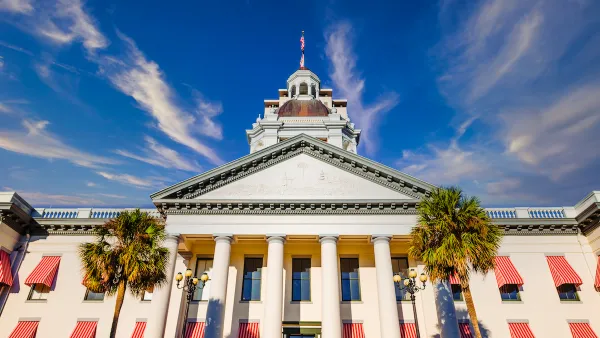
Florida Rolls Back Renewable Energy Goals
A new state law eliminates language calling for a reduction in greenhouse gas emissions and makes it easier to build natural gas pipelines.

Planetizen Federal Action Tracker
A weekly monitor of how Trump’s orders and actions are impacting planners and planning in America.

The state-sanctioned urbicide of Austin
People don’t kill cities. Freeways do.

US to reduce Colorado River water deliveries to Mexico
A new Colorado Treaty amendment reduces Mexico’s Colorado River water allocation by 250,000 acre feet.

5 New England states march closer to 800 megawatt wind energy project
Securing federal approval for the project may be complicated under the Trump administration, which has historically been hostile towards domestic wind power.

Baltimore to break ground on $50 million Transit Priority Project
The project will bring faster bus trips, safer streets and better bike connections to Baltimore.

Airbnb launches $250 million 'last-dollar financing' housing accelerator, makes first investment in Austin
The company will put $6.4 million towards affordable housing development in Texas’ capital.

FREE Course: Walkable City 1: Why Walkability?
After describing his path towards focusing on walkability as the essence of good planning, Jeff Speck marches through his five principal reasons for making more walkable places.
Reinventing Malls: Planning Alchemy—Turning Gray Fields Into Gold
The course focuses on the opportunities and imperatives that shape reinvention of mall sites.

Eagle County Government
Harvard University Graduate School of Design
Nashville Planning Department
The Architects Foundation
University of Cincinnati Online
The Pocatello Development Authority
The Urban Renewal Agency of the City of Pocatello
Journal of the American Planning Association