Without rent relief from Congress, the recent wave of evictions could become a tsunami, according to housing advocates.


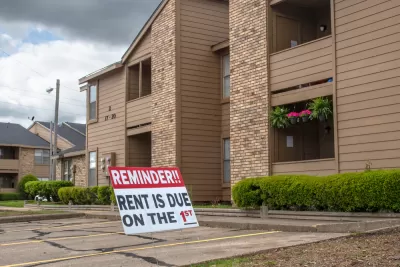
Diane Yentel, president and CEO of the National Low Income Housing Coalition, took to Twitter this week to share news on the growing number of evictions around the country—an outcome feared since the outset of the pandemic. A clear narrative that emerges from the examples Yentel gathers from around the country: the eviction crisis we've been warned about since March is actually already here.
- 9,000 eviction hearings stalled by coronavirus resume Monday. Advocates say it's the beginning of a crisis (June 14, 2020)
- Predicted surge comes true: Eviction filings jump over 40% in Milwaukee County and state (Milwaukee Journal Sentinel, June 15, 2020)
- Despite available COVID-19 reprieve, Pima County evictions uneven, frequent (Tuscon.com, June 16, 2020)
- The Columbus Convention Center Is Now a Pandemic Housing Court (Bloomberg CityLab, June 18, 2020)
- Coronavirus: Why US is expecting an 'avalanche' of evictions (BBC News, June 19, 2020)
- Landlords suing for $4M in unpaid rent as Harris County evictions move forward (Houston Business Journal, June 22, 2020)
Yentel's response to this wave of bad news for U.S. renters is clear, calling on Congress to approve the housing relief actions included in the Health and Economic Recovery Omnibus Emergency Solutions Act (HEROES Act) approved by the House in May and waiting for Senate action, which includes a broad eviction moratorium, $100 billion in rent relief, and $11.5 billion for homeless programs.
FULL STORY: That wave of evictions and spike in homelessness that we’ve been warning about for months? It’s starting.

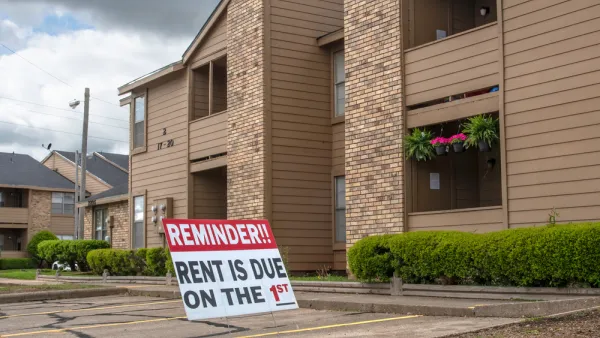
Federal Eviction Moratorium Expires This Week
The day that renters relying on public support to pay the bills have been dreading since March arrives tomorrow.
Census: 7 Million Americans Are Behind on Rent
With the federal eviction moratorium due to expire at the end of the month and rent relief programs failing to reach those who need it most, an eviction crisis still looms.
CDC's Eviction Moratorium Extended
The CDC's eviction moratorium will stay in place until at least June 30, 2021.

Planetizen Federal Action Tracker
A weekly monitor of how Trump’s orders and actions are impacting planners and planning in America.

The state-sanctioned urbicide of Austin
People don’t kill cities. Freeways do.

US to reduce Colorado River water deliveries to Mexico
A new Colorado Treaty amendment reduces Mexico’s Colorado River water allocation by 250,000 acre feet.

Mamdani overhauls NYC's Vision Zero plan with 100 new policy goals
The overhaul aims to reduce traffic deaths and make streets safer for pedestrians, cyclists and drivers through lower speed limits, new safety infrastructure and more.

Amtrak not solely to blame for New Jersey commuter rail's unreliability, report finds
A new study from the Garden State Initiative found that NJ Transit’s budget grew 20% across a 4 year period, but reliability declined significantly over the same period.

EPA erases limits on planet-warming pollution from power plants
Under Monday’s plan, power plants would still have some limits on how much mercury, arsenic and other contaminants they can emit.

FREE Course: Walkable City 1: Why Walkability?
After describing his path towards focusing on walkability as the essence of good planning, Jeff Speck marches through his five principal reasons for making more walkable places.
Reinventing Malls: Planning Alchemy—Turning Gray Fields Into Gold
The course focuses on the opportunities and imperatives that shape reinvention of mall sites.

Eagle County Government
Harvard University Graduate School of Design
Nashville Planning Department
The Architects Foundation
University of Cincinnati Online
The Pocatello Development Authority
The Urban Renewal Agency of the City of Pocatello
Journal of the American Planning Association