Vehicle miles traveled, collisions, and collision-related injuries have been impacted by shelter-in-place orders nationwide. The level of impact, however, largely varies by region.


The statewide mandates put into place in March had an almost immediate effect on traffic patterns in the United States. "The stay-at-home orders generally have caused a drop in traffic volumes, as fewer people are commuting for work and engaging in personal travel," observes Eleanor Lamb.
Lamb follows the changes in traffic trends with transportation officials from numerous states and finds that the changes in travel vary at the regional level. In California, San Francisco County didn't experience the steady increase in vehicle miles traveled that Siskiyou and Kern counties observed after Bay Area shelter-in-place mandates. Similarly, Virginia officials noted a stark reduction in travel in Northern Virginia, but a less dramatic decline in Lynchburg.
According to Lamb, these regions have in common that "the decline in travel will have a negative effect on state transportation revenue."
FULL STORY: COVID-19’s Impact on Travel, Safety Varies by Region, Traffic Experts Say

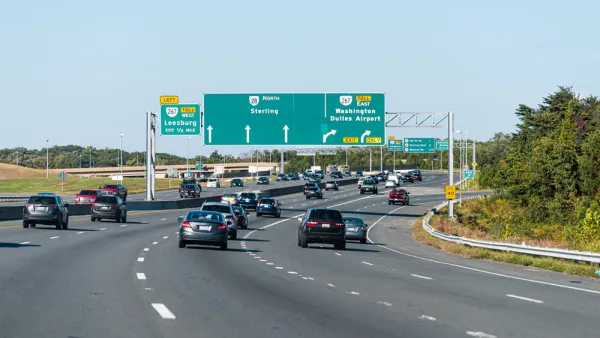
Report: Northern Virginia Transportation Plans Will Induce More Driving
The Northern Virginia Transportation Authority’s plans to widen and expand the region’s highways will lead to a sharp increase in vehicle miles driven, a new study shows.
Where the Pandemic Has Scrambled Traffic Patterns
The map of metropolitan areas that drive least, and thus emit fewer greenhouse gas emissions, has been completely redrawn by the pandemic, according to a recent report.
Report: Vehicle Miles Traveled Almost Fully Returned to Pre-Pandemic Levels
Reports last week that the U.S. economy is about 30 percent smaller than before the pandemic aren't reflected in driving trends.

Planetizen Federal Action Tracker
A weekly monitor of how Trump’s orders and actions are impacting planners and planning in America.

The state-sanctioned urbicide of Austin
People don’t kill cities. Freeways do.

US to reduce Colorado River water deliveries to Mexico
A new Colorado Treaty amendment reduces Mexico’s Colorado River water allocation by 250,000 acre feet.

Mamdani overhauls NYC's Vision Zero plan with 100 new policy goals
The overhaul aims to reduce traffic deaths and make streets safer for pedestrians, cyclists and drivers through lower speed limits, new safety infrastructure and more.

Amtrak not solely to blame for New Jersey commuter rail's unreliability, report finds
A new study from the Garden State Initiative found that NJ Transit’s budget grew 20% across a 4 year period, but reliability declined significantly over the same period.

EPA erases limits on planet-warming pollution from power plants
Under Monday’s plan, power plants would still have some limits on how much mercury, arsenic and other contaminants they can emit.

FREE Course: Walkable City 1: Why Walkability?
After describing his path towards focusing on walkability as the essence of good planning, Jeff Speck marches through his five principal reasons for making more walkable places.
Reinventing Malls: Planning Alchemy—Turning Gray Fields Into Gold
The course focuses on the opportunities and imperatives that shape reinvention of mall sites.


Eagle County Government
Harvard University Graduate School of Design
Nashville Planning Department
The Architects Foundation
University of Cincinnati Online
The Pocatello Development Authority
The Urban Renewal Agency of the City of Pocatello
Journal of the American Planning Association