The coronavirus crisis is highlighting the contributions of cities as well as their vulnerabilities and the planning issues that need to be priorities in the future.


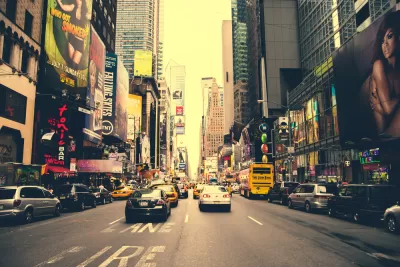
"The impacts of the global COVID-19 pandemic are still being understood, but it does seem clear that this crisis will make a mark on cities, physically and socially, that will echo for generations," writes Rogier van den Berg.
While the pandemic has spurred debate about the role of density in the spread of the disease and efforts to contain it, urban density is needed for the provision of core services. "It’s the lack of access to essential services such as water, housing and health care, that has exacerbated the challenge of responding effectively to COVID-19 in many cities," says van den Berg.
Van den Berg also points out the clear need for access to affordable housing and public spaces and more holistic planning of green space. In addition, city and regional planning need to be better integrated, and more granular data needs to be part of post-coronavirus urban planning.
Cities will face many important questions in the future related to urban planning, says van den Berg. "Will we make cities more resilient to future crises? Will we make green and blue spaces front and center of our infrastructure investments? And will we seriously address the fact that it’s not just physically, but economically, socially and environmentally that cities are connected to their surrounding regions?"
FULL STORY: How Will COVID-19 Affect Urban Planning?

Opinion: Less Restrictive Zoning Necessary for Urban Areas to Lead Recovery
An opinion piece makes the case for pro-development urban planning as a tool of economic recovery.
Poll: One-Third of Americans Thinking of Moving to Less Densely Populated Areas
In the midst of the pandemic, Americans are expressing a new preference for less crowded spaces, according to the results of a Harris Poll conducted last week.
Density Debate Rages Alongside the Pandemic
Questions about how highly contested questions about the future of the built environment will reference COVID-19 for years to come. The question about whether that debate will achieve any actual change is still very much up for debate.

The state-sanctioned urbicide of Austin
People don’t kill cities. Freeways do.

US to reduce Colorado River water deliveries to Mexico
A new Colorado Treaty amendment reduces Mexico’s Colorado River water allocation by 250,000 acre feet.

New Jersey’s second-largest city bans standalone data centers
Jersey City will continue to allow co-location facilities, such as those meant for research institutions that store their own data.

Amtrak not solely to blame for New Jersey commuter rail's unreliability, report finds
A new study from the Garden State Initiative found that NJ Transit’s budget grew 20% across a 4 year period, but reliability declined significantly over the same period.

EPA erases limits on planet-warming pollution from power plants
Under Monday’s plan, power plants would still have some limits on how much mercury, arsenic and other contaminants they can emit.

Phoenix announces new on-demand transit service, more frequent RAPID buses
Both new services will launch in October, and are part of Phoenix's Project Effective Access Solutions for Easing Congestion.

FREE Course: Walkable City 1: Why Walkability?
After describing his path towards focusing on walkability as the essence of good planning, Jeff Speck marches through his five principal reasons for making more walkable places.
Reinventing Malls: Planning Alchemy—Turning Gray Fields Into Gold
The course focuses on the opportunities and imperatives that shape reinvention of mall sites.

Eagle County Government
Harvard University Graduate School of Design
Nashville Planning Department
The Architects Foundation
University of Cincinnati Online
The Pocatello Development Authority
The Urban Renewal Agency of the City of Pocatello
Journal of the American Planning Association