Among unwelcome lessons of COVID-19 is growing evidence of what was already broken in politics and business. Ben Brown looks at making bold changes in order to improve the lives of the left out and left behind.


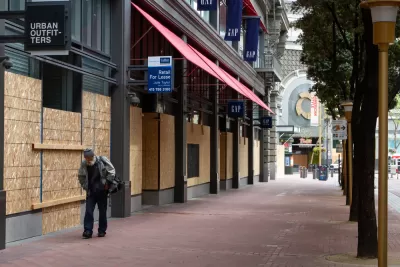
"This is the first of several posts planned for the next few weeks on lessons we’re learning from the pandemic and how local and regional governments might respond – not only to the crisis itself, but also to weaknesses in policies and processes COVID-19 exposed.
"Let’s start with an understatement: Community development leaders – whether they’re in government, non-profits, or the private sector — are likely to remember this time as the most challenging of their lives. Every hard choice is harder, every strategy fraught with uncertainty.
"At the moment, we’re upping the anxiety and the stakes for decision-making as governors in a majority of states bow to pressure to lift stay-at-home restrictions that were intended to slow the spread of COVID-19. Ahead is a series of uncoordinated experiments that will produce as-yet-unknown outcomes everywhere. Officials are betting lives and economies on assumptions that are at once wishful thinking and probably inevitable. We can’t expect people to hide in their homes forever.
"Response to the pandemic is a global challenge. But impacts are felt most quickly and most dramatically in local and regional jurisdictions where people live and work and where Americans tell pollsters they have the most faith in government. It’s also where the resources for responding to the crisis are most threatened."
Brown discusses the leaky pipes of both physical infrastructure and policy, and how doing the biggest little thing may help us deal with the uncomfortable realities and the barriers that must be overcome.
FULL STORY: After the Plague: Go Big or Go Backwards?

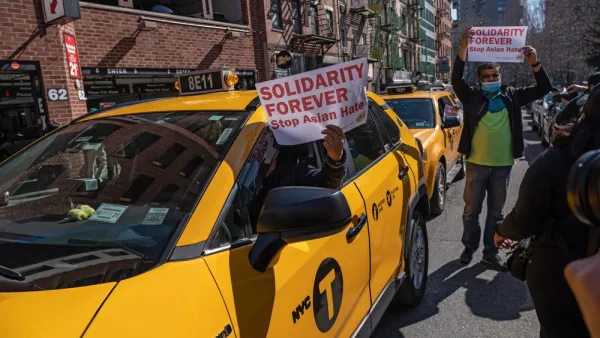
'Never Let a Good Crisis Go to Waste' and Planning in the Pandemic
The latest in a series of compendia collecting news and commentary focusing on the complexities of the COVID-19 pandemic's effect on communities.
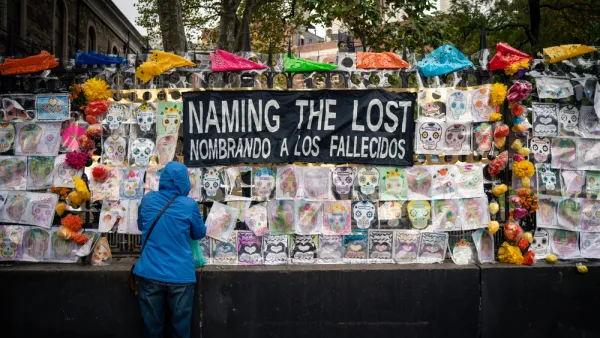
Haves and Have Nots: Planning and the Deep Divides of the Pandemic
The latest in a series of compendia gathering news and analysis about the effects of the COVID-19 on the built and natural environments—now and long into the future.
Nine Months Later: How the Pandemic Is Changing Communities
Planetizen shares the latest in a series of compendia tackling the effects of the pandemic, now and in the future, for cities and communities.

The state-sanctioned urbicide of Austin
People don’t kill cities. Freeways do.

US to reduce Colorado River water deliveries to Mexico
A new Colorado Treaty amendment reduces Mexico’s Colorado River water allocation by 250,000 acre feet.

New Jersey’s second-largest city bans standalone data centers
Jersey City will continue to allow co-location facilities, such as those meant for research institutions that store their own data.

Amtrak not solely to blame for New Jersey commuter rail's unreliability, report finds
A new study from the Garden State Initiative found that NJ Transit’s budget grew 20% across a 4 year period, but reliability declined significantly over the same period.

EPA erases limits on planet-warming pollution from power plants
Under Monday’s plan, power plants would still have some limits on how much mercury, arsenic and other contaminants they can emit.

Phoenix announces new on-demand transit service, more frequent RAPID buses
Both new services will launch in October, and are part of Phoenix's Project Effective Access Solutions for Easing Congestion.

FREE Course: Walkable City 1: Why Walkability?
After describing his path towards focusing on walkability as the essence of good planning, Jeff Speck marches through his five principal reasons for making more walkable places.
Reinventing Malls: Planning Alchemy—Turning Gray Fields Into Gold
The course focuses on the opportunities and imperatives that shape reinvention of mall sites.

Eagle County Government
Harvard University Graduate School of Design
Nashville Planning Department
The Architects Foundation
University of Cincinnati Online
The Pocatello Development Authority
The Urban Renewal Agency of the City of Pocatello
Journal of the American Planning Association