A perhaps surprising measure of success has been achieved by the New York Metropolitan Transportation Authority.


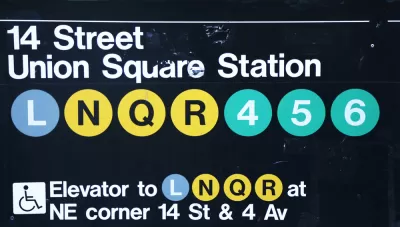
"The MTA’s dreaded repairs to the L train’s East River tunnel were completed ahead of schedule, despite the coronavirus pandemic," reports Caroline Spivack.
The news came in an announcement by Gov. Andrew Cuomo on Sunday, April 26. The governor caused a stir in back in January 2019 with last minute changes for plans to shut down the L Train between Brooklyn and Manhattan to repairs fix damages caused by Superstorm Sandy. Spivack explains more about what the project has accomplished in wrapping up repair work ahead of schedule.
Work on the Hurricane Sandy-damaged Canarsie Tunnel was initially scheduled to wrap up in July 2020 at the earliest to the tune of $500 million, but MTA officials said last year that the rehab was going so well that they expected to wrap up work by April. Transit officials say the project is being finished for nearly $100 million less than the original price tag.
The news about a transit project outperforming expectations in New York City is a notable change from years of delays and record costs. The worst effects of the once-dreaded L Train closure also seem to have been avoided.
Read the full story: L train tunnel repairs completed ahead of schedule

Breaking News: 10-Point Plan to Restructure the MTA Announced
Local and state leadership finally agreed on a plan to fix the city of New York's struggling transit system.
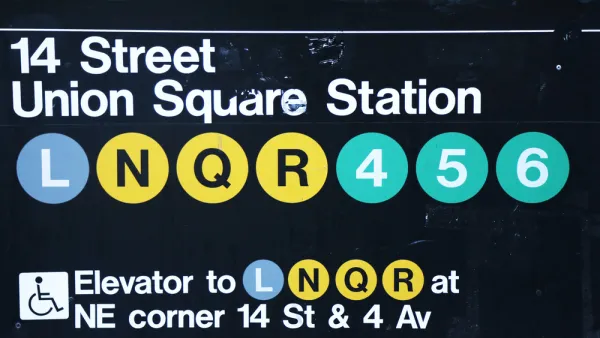
How the New L Train Repair Plan Will Work
After the initial shock of Governor Andrew Cuomo's cancellation of the planned L Train closure subsided, analysis and commentary rolled in.
Gov. Cuomo Promised a Plan to Fix the New York Subway; Critics Say it's MIA
Earlier this summer, the governor of New York promised an ambitious plan to fix the MTA subway system. Now, at the end of the promised timeline for that plan, critics are saying that the city is left with more of the same.

Planetizen Federal Action Tracker
A weekly monitor of how Trump’s orders and actions are impacting planners and planning in America.

The state-sanctioned urbicide of Austin
People don’t kill cities. Freeways do.

Colorado’s Largest Data Center Could Rise Next to Homes — Without a Public Hearing
The proposed campus would consume 11 times the power of Denver International Airport; as it has across the country, opposition mounts.

Nation's most wind-powered state turns to coal as data centers increase energy demand
For the first time in decades, Iowa has increased its generation of coal power.

NYC cools commuters with city's first rain garden above a bus stop
New York City officials say the plants in the rain garden can absorb 16 gallons of rainwater during heavy storms.

Brightline West’s future may rely on $6 billion federal loan
The company has until Nov. 2 to make a $400 million equity investment into its proposed high-speed rail line.

FREE Course: Walkable City 1: Why Walkability?
After describing his path towards focusing on walkability as the essence of good planning, Jeff Speck marches through his five principal reasons for making more walkable places.
Reinventing Malls: Planning Alchemy—Turning Gray Fields Into Gold
The course focuses on the opportunities and imperatives that shape reinvention of mall sites.

Greater Baltimore Committee
Eagle County Government
Harvard University Graduate School of Design
The Architects Foundation
University of Cincinnati Online
The Pocatello Development Authority
The Urban Renewal Agency of the City of Pocatello
Journal of the American Planning Association