Transit routes used by workers in Toronto heading to industrial jobs have still been crowded with riders during the coronavirus pandemic.


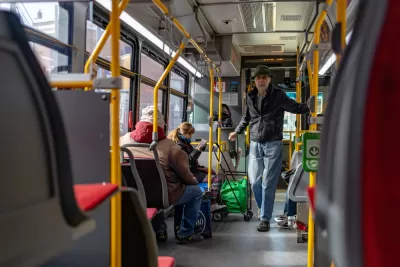
Ben Spurr reports from Toronto, where the Toronto Transit Commission (TTC) is providing commuting service for essential workers through the pandemic, leading advocates to call for better service on crowded routes.
Local blogger and transit advocate Sean Marshall mapped the busy TTC routes in the city, where riders are still relying on service despite a reported 80 percent dip in ridership, locating the busiest routes in industrial areas populated by a high concentration of warehouses, food processing plants, light industrial facilities, and industrial bakeries. The jobs tend to pay low wages relative to other sectors of Toronto's economy, according to the article.
As a response to the current state of transit ridership in the city, the TTC announced on April 1 that it would add "at least 47 buses to 15 of its crowded bus routes during busy morning periods," reports Spurr. "The agency said it would monitor crowding, and the routes receiving extra service would change as needed."
FULL STORY: Who’s still crowding into TTC buses amid the pandemic? Evidence suggests many are Toronto’s working poor

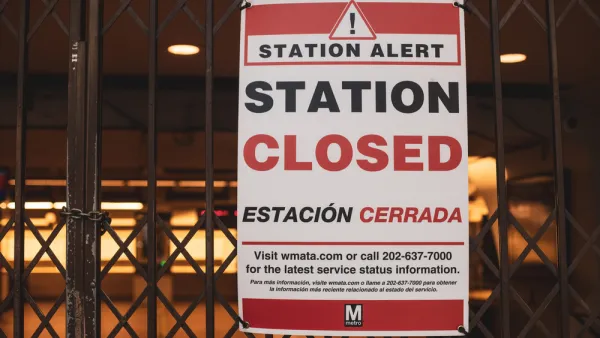
D.C. Metro Seeks Public Input on Proposed Service Cuts
D.C. Metro Seeks Public Input on Proposed Service Cuts
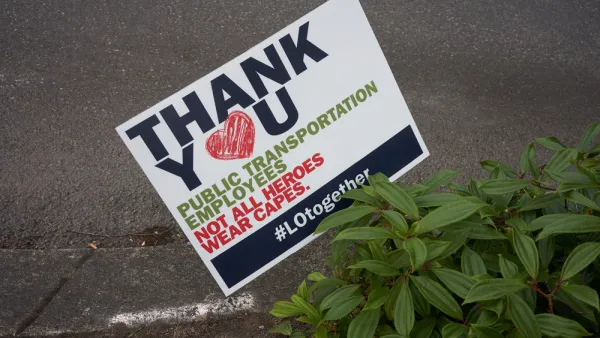
Public Transit in Crisis: Low-Income Riders Have the Most to Lose From Service Cuts
Riders who rely most on public transit are suffering the worst consequences of the cuts to service during the fiscal belt tightening of the coronavirus pandemic.
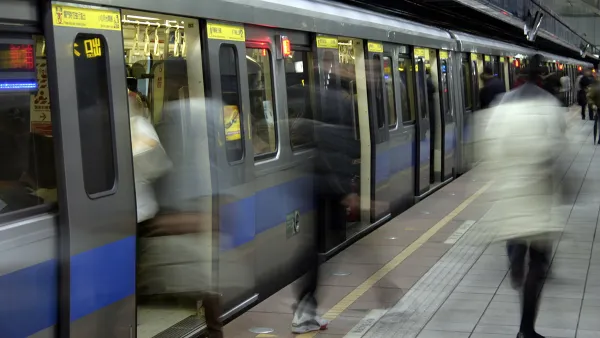
Transit Ridership Dropping Due to Coronavirus; Long-Term Funding Consequences Feared
The effects of a global pandemic on American shores are beginning to emerge for public transit systems. The consequences of a drop in transit ridership could extend beyond the end of the pandemic.

Planetizen Federal Action Tracker
A weekly monitor of how Trump’s orders and actions are impacting planners and planning in America.

The state-sanctioned urbicide of Austin
People don’t kill cities. Freeways do.

US to reduce Colorado River water deliveries to Mexico
A new Colorado Treaty amendment reduces Mexico’s Colorado River water allocation by 250,000 acre feet.

5 New England states march closer to 800 megawatt wind energy project
Securing federal approval for the project may be complicated under the Trump administration, which has historically been hostile towards domestic wind power.

Baltimore to break ground on $50 million Transit Priority Project
The project will bring faster bus trips, safer streets and better bike connections to Baltimore.

Airbnb launches $250 million 'last-dollar financing' housing accelerator, makes first investment in Austin
The company will put $6.4 million towards affordable housing development in Texas’ capital.

FREE Course: Walkable City 1: Why Walkability?
After describing his path towards focusing on walkability as the essence of good planning, Jeff Speck marches through his five principal reasons for making more walkable places.
Reinventing Malls: Planning Alchemy—Turning Gray Fields Into Gold
The course focuses on the opportunities and imperatives that shape reinvention of mall sites.

Eagle County Government
Harvard University Graduate School of Design
Nashville Planning Department
The Architects Foundation
University of Cincinnati Online
The Pocatello Development Authority
The Urban Renewal Agency of the City of Pocatello
Journal of the American Planning Association