The Anchorage Municipal Assembly seeks more focus on pedestrian and transit improvements over traffic reduction in an upcoming 20-year transportation plan.


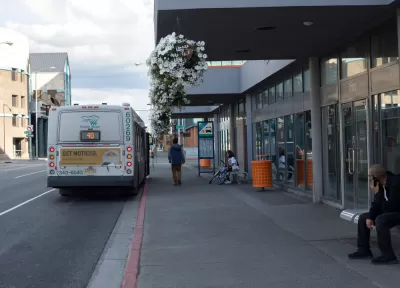
The municipal governing body for Anchorage, Alaska agreed to consider a change in its transportation priorities over the next 20 years. Anchorage Metropolitan Area Transportation Solutions, the municipal planning organization, is currently in the process of finalizing a 20 year plan for automobile, transit, pedestrian and bicycle infrastructure.
KTUU Channel 2 reporter Matt Leseman writes of the assembly meeting:
"Ultimately, we spend more money building roads in this city than on all other building," said Assembly Vice-chair John Weddleton.
The city has previously focused, partially by state and federal mandate, on reducing traffic in the most popular areas. Many assembly members and speakers Tuesday argued in favor of changing that.
“Building to minimize peak period delays results in overbuilding,” said Assembly Member Meg Zalatel, quoting a previous comment on the plan. “I truly believe it’s time for a new paradigm.”
Part of the reason for the shift is concerns over the effects of prioritizing automobile traffic.
Read the full story: "It's time for a new paradigm," Anchorage Assembly wants to shift city's transportation focus

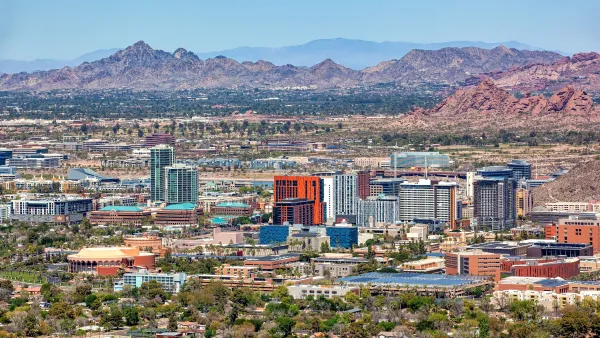
‘Tempe Tomorrow’ Plans for Expected Population Growth
Tempe planners are preparing a General Plan update scheduled for voter approval in March 2024.
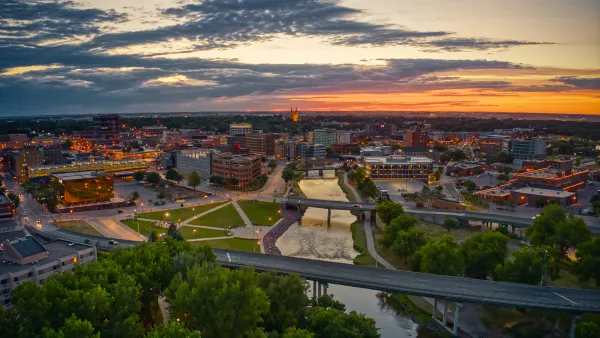
Sioux Falls Multi-Family Development Outpaces Transportation Improvements
Sioux Falls, South Dakota is undergoing a multi-family development boom. Residents are increasingly concerned about the traffic the development brings, according to local news reports.
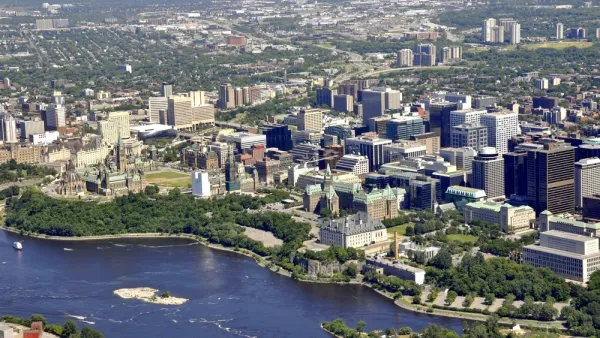
Ottawa’s New Transportation Master Plan Sets 20-Year Planning Priorities
Canada’s capital city recently completed the first step toward adopting a new Transportation Master Plan.

Planetizen Federal Action Tracker
A weekly monitor of how Trump’s orders and actions are impacting planners and planning in America.

The state-sanctioned urbicide of Austin
People don’t kill cities. Freeways do.

Colorado’s Largest Data Center Could Rise Next to Homes — Without a Public Hearing
The proposed campus would consume 11 times the power of Denver International Airport; as it has across the country, opposition mounts.

Nation's most wind-powered state turns to coal as data centers increase energy demand
For the first time in decades, Iowa has increased its generation of coal power.

NYC cools commuters with city's first rain garden above a bus stop
New York City officials say the plants in the rain garden can absorb 16 gallons of rainwater during heavy storms.

Brightline West’s future may rely on $6 billion federal loan
The company has until Nov. 2 to make a $400 million equity investment into its proposed high-speed rail line.

FREE Course: Walkable City 1: Why Walkability?
After describing his path towards focusing on walkability as the essence of good planning, Jeff Speck marches through his five principal reasons for making more walkable places.
Reinventing Malls: Planning Alchemy—Turning Gray Fields Into Gold
The course focuses on the opportunities and imperatives that shape reinvention of mall sites.

Greater Baltimore Committee
Eagle County Government
Harvard University Graduate School of Design
The Architects Foundation
University of Cincinnati Online
The Pocatello Development Authority
The Urban Renewal Agency of the City of Pocatello
Journal of the American Planning Association