Rezoning has resulted in the loss of affordable housing in areas like the South Bronx, and any proposals need to consider the long-term racial equity impacts, according to a recent report by Churches United for Fair Housing.


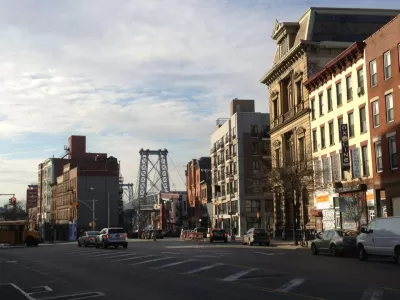
A recent report from Churches United for Fair Housing says that neighborhood rezoning in New York City has displaced thousands of residents, particularly in low-income communities of color.
"The lessons of this report should not go unanswered: The City [of New York] needs to fervently acknowledge the racial impact that rezonings have on a neighborhood," writes Rafael Salamanca, a councilmember representing the South Bronx.
Salamanca is cosponsoring legislation that would require racial impact analyses for proposed neighborhood rezonings. He also opposes the Southern Boulevard rezoning in the South Bronx, which would allow upzoning in major transportation corridors.
"As I spoke with my constituents, a very real fear – now confirmed by the CUFFH report – kept coming up: A neighborhood rezoning would accelerate rising rents, price out residents and displace them from the very community they’ve helped build, the community that I am proud to come from," says Salamanca.
Read the full story: Opinion: A Councilmember on Why He Opposes the Southern Boulevard Rezoning

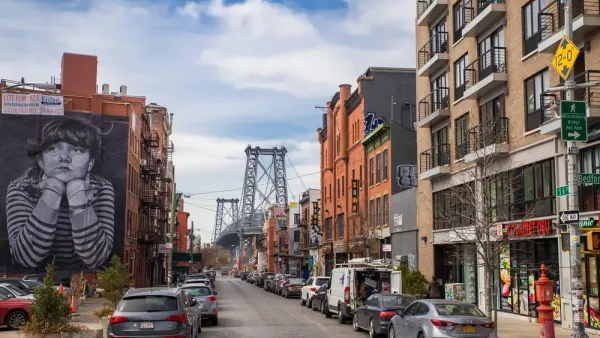
Report: 'Racialized Displacement' Followed Rezonings in New York City
The rezonings in question occurred during the Bloomberg administration, but advocates are seizing on the relevance of that experience to the rezonings of the de Blasio administration.
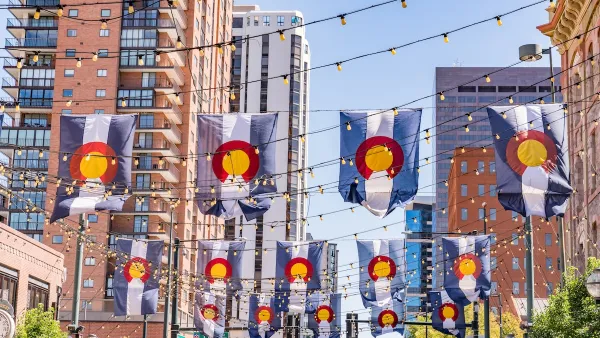
Denver Pauses Multifamily Development in Westside Neighborhoods Amidst Gentrification Concerns
City officials say the pause on permits for redevelopment projects aims to stop the displacement of long-term residents.
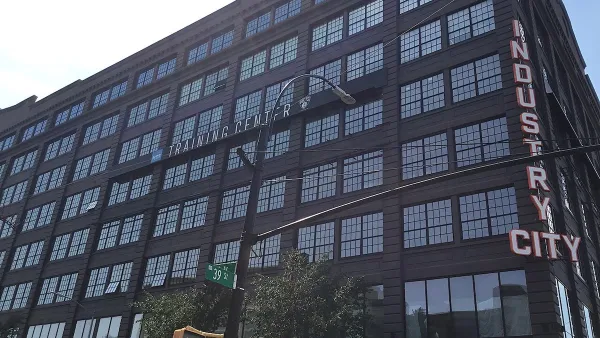
‘Emergent City’ Documentary Highlights Rare Anti-Gentrification Victory
The film charts the saga of a Brooklyn site called Industry City.

Planetizen Federal Action Tracker
A weekly monitor of how Trump’s orders and actions are impacting planners and planning in America.

The state-sanctioned urbicide of Austin
People don’t kill cities. Freeways do.

US to reduce Colorado River water deliveries to Mexico
A new Colorado Treaty amendment reduces Mexico’s Colorado River water allocation by 250,000 acre feet.

Nation's most wind-powered state turns to coal as data centers increase energy demand
For the first time in decades, Iowa has increased its generation of coal power.

NYC cools commuters with city's first rain garden above a bus stop
New York City officials say the plants in the rain garden can absorb 16 gallons of rainwater during heavy storms.

Brightline West’s future may rely on $6 billion federal loan
The company has until Nov. 2 to make a $400 million equity investment into its proposed high-speed rail line.

FREE Course: Walkable City 1: Why Walkability?
After describing his path towards focusing on walkability as the essence of good planning, Jeff Speck marches through his five principal reasons for making more walkable places.
Reinventing Malls: Planning Alchemy—Turning Gray Fields Into Gold
The course focuses on the opportunities and imperatives that shape reinvention of mall sites.


Eagle County Government
Harvard University Graduate School of Design
Nashville Planning Department
The Architects Foundation
University of Cincinnati Online
The Pocatello Development Authority
The Urban Renewal Agency of the City of Pocatello
Journal of the American Planning Association