The ranks of states considering or taking steps to override local control to allow new density in the residential neighborhoods of cities has swelled once again, this time with a state senator in Nebraska pitching statewide legislation.



Nebraska State Senator Matt Hansen (D-Lincoln) introduced new legislation to kickoff the 2020 legislative session, proposing LB 794, or the Missing Middle Housing Act.
The text of the bill [pdf] charts a new path for planning history by first referencing 20th century planning paradigms:
Following World War II, municipal zoning codes, ordinances, and regulations in Nebraska and throughout the United States have prioritized detached single-family homes and mid-rise to high-rise apartment buildings over other forms of housing stock;
Here's where the bill makes the case for a new approach to housing and zoning:
Amending municipal zoning codes and ordinances to permit varied types of housing stock will provide greater availability of affordable housing, increase residential density, promote more efficient and effective land use, and create conditions for successful mass transit, bikeability, walkability, and affordability in residential neighborhoods.
If passed, the bill would mandate every city with more than 5,000 people (i.e., including metropolitan class, primary class, and first class cities) in the state to allow missing middle housing in areas previously zoned exclusively for single-family detached residential. The bill is also careful to mention repeatedly that opening single-family zoning to missing middle housing does not mean that single-family housing will be blocked from new construction.
Hansen, a self-proclaimed Millennial, took to Twitter to describe the need for the bill, and referenced a 2017 Washington Post article by Katherine Shaver to build the case.
First day back in the #NELeg session, and I introduced my first four bills, including #LB794 the Missing Middle Housing Act.
What is "missing middle housing"? Quite simply, its everything between single family homes and large scale apartment complexes. pic.twitter.com/RIrWCrqfrX— Matt Hansen (@MattHansenNE) January 8, 2020
While media coverage of the new bill has been scant so far, local television station KOLN/KGIN covered the announcement of the bill, and interviewed Hansen on the bill. Hansen mentions a study by the Urban Affairs Committee of the State Senate into the issue previous to the new bill.
After Oregon adopted a similar law in 2019, several states have proposed new laws that would override local control of single-family housing to increase housing development options in cities in the name of affordable housing. California, Virginia, Maryland, and now Nebraska are currently considering such bills.
FULL STORY: Proposed Affordable Housing Bill

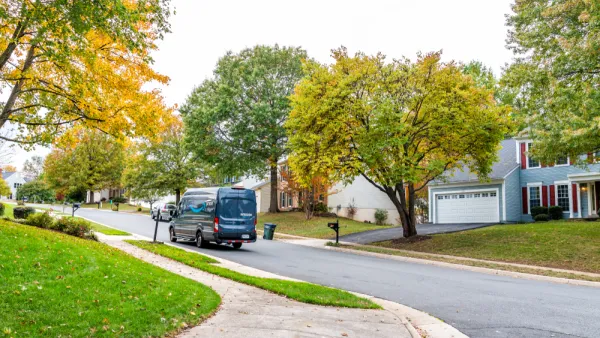
Virginia Upzoning and Accessory Dwelling Unit Bills Killed Quickly in Committee
The Land Use subcommittee of the Virginia House of Delegates decided quickly to uphold local control of zoning.
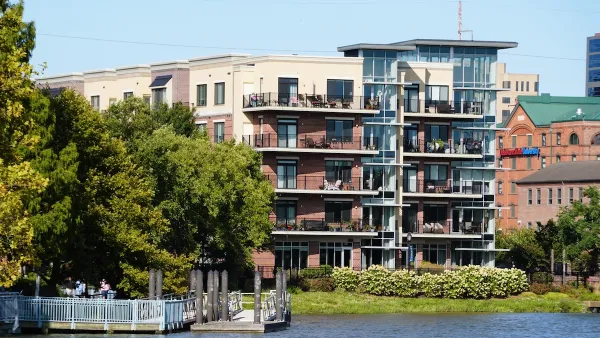
Delaware Governor Could Force Cities to Upzone
Gov. Meyer says the state will work with cities to encourage land use reforms that make room for more affordable housing types, but could take stricter measures if jurisdictions don’t comply.
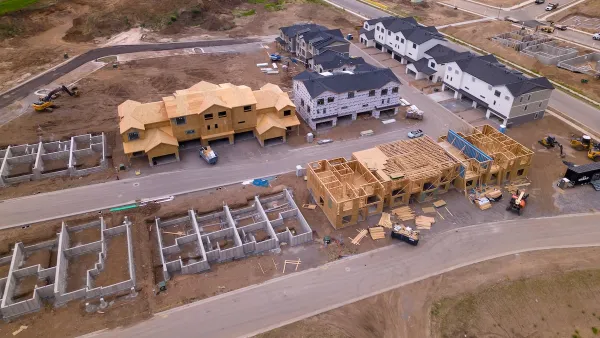
‘Montana Miracle:’ The State Actually Succeeding at Housing Reform
A series of ambitious zoning reforms is having a significant impact on the state’s housing supply.

Planetizen Federal Action Tracker
A weekly monitor of how Trump’s orders and actions are impacting planners and planning in America.

The state-sanctioned urbicide of Austin
People don’t kill cities. Freeways do.

US to reduce Colorado River water deliveries to Mexico
A new Colorado Treaty amendment reduces Mexico’s Colorado River water allocation by 250,000 acre feet.

Amtrak not solely to blame for New Jersey commuter rail's unreliability, report finds
A new study from the Garden State Initiative found that NJ Transit’s budget grew 20% across a 4 year period, but reliability declined significantly over the same period.

EPA erases limits on planet-warming pollution from power plants
Under Monday’s plan, power plants would still have some limits on how much mercury, arsenic and other contaminants they can emit.

Phoenix announces new on-demand transit service, more frequent RAPID buses
Both new services will launch in October, and are part of Phoenix's Project Effective Access Solutions for Easing Congestion.

FREE Course: Walkable City 1: Why Walkability?
After describing his path towards focusing on walkability as the essence of good planning, Jeff Speck marches through his five principal reasons for making more walkable places.
Reinventing Malls: Planning Alchemy—Turning Gray Fields Into Gold
The course focuses on the opportunities and imperatives that shape reinvention of mall sites.

Eagle County Government
Harvard University Graduate School of Design
Nashville Planning Department
The Architects Foundation
University of Cincinnati Online
The Pocatello Development Authority
The Urban Renewal Agency of the City of Pocatello
Journal of the American Planning Association