Scientists are increasingly concerned that climate tipping points might "cascade" into multiple heating effects that does irrevocable damage to the planet.


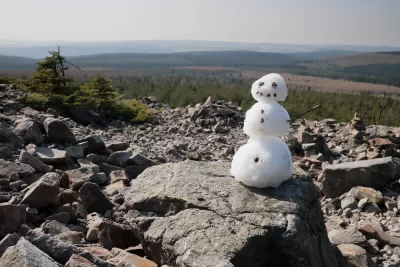
"New research warns that the earth may be approaching key tipping points, including the runaway loss of ice sheets, that could fundamentally disrupt the global climate system. A growing concern is a change in ocean circulation, which could alter climate patterns in a profound way," according to an article by Fred Pearce.
A recent study, published in Nature, suggests that changes to ocean circulation could produce a cascade of effects, each triggering another, "creating an irreversible shift to a hotter world," according to Pearce's explanation.
Pearce is compelled by that recent research, but there's a history of similar findings to share. Here's how Pearce summarizes the three tipping points that worry researchers:
The potential tipping points come in three forms: runaway loss of ice sheets that accelerate sea level rise; forests and other natural carbon stores such as permafrost releasing those stores into the atmosphere as carbon dioxide (CO2), accelerating warming; and the disabling of the ocean circulation system.
While researchers used to think of each of these tipping points as independent of each other, warning such as this new research suggest the cascade relationship between each.
Read the full story: As Climate Change Worsens, A Cascade of Tipping Points Looms

FTA Kills ‘Social Cost of Carbon’ in Transit Grant Criteria
The Capital Investments Grant program will no longer factor in the future impacts of carbon emissions.
California’s Cap and Trade Program Up in the Air
The state’s carbon trading program is being attacked as ineffective from one side and overly onerous from the other.
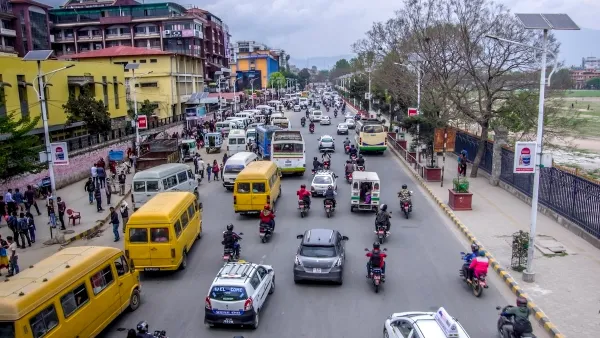
The Small South Asian Republic Going all in on EVs
Thanks to one simple policy change less than five years ago, 65% of new cars in this Himalayan country are now electric.

Amtrak, CN end decades-long dispute with eight-year agreement
The new operating agreement establishes an updated framework for the companies to work together, including processes to resolve disputes.

Judges permit Denver to divert 77,000 acre feet from the Colorado River for reservoir expansion
Overuse and climate change have caused the Colorado River’s water levels to plummet.
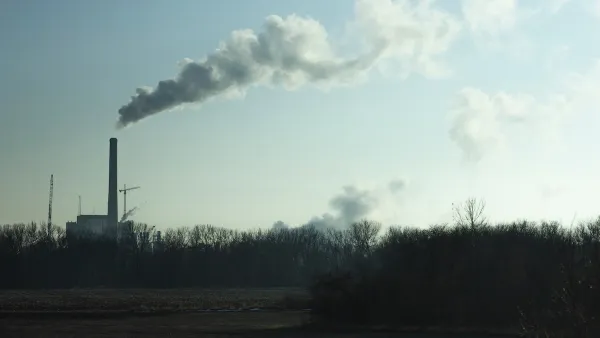
Nation's most wind-powered state turns to coal as data centers increase energy demand
For the first time in decades, Iowa has increased its generation of coal power.

Boston has spent millions making the Green Line more accessible — and there’s no end in sight
While the city has invested millions into expanding and adding platforms to the Green Line to make it more accessible, new train cars set to arrive next year will be too tall for disabled passengers to board without raising the current platforms.

Idaho may see an 18% drop in federal surface transit funding — the largest estimated cut in the US
Transit systems in rural communities are much more reliant on federal funding to provide their services.

How ‘post-disaster gentrification’ alters neighborhoods after natural calamities
After hurricanes, fires or other calamities, the original residents of a community are often replaced by younger, wealthier residents.

FREE Course: Walkable City 1: Why Walkability?
After describing his path towards focusing on walkability as the essence of good planning, Jeff Speck marches through his five principal reasons for making more walkable places.
Reinventing Malls: Planning Alchemy—Turning Gray Fields Into Gold
The course focuses on the opportunities and imperatives that shape reinvention of mall sites.

City of Wisconsin Rapids
Harvard University Graduate School of Design
KFH Group Inc.
The Architects Foundation
University of Cincinnati Online
The Pocatello Development Authority
The Urban Renewal Agency of the City of Pocatello