Construction of a border wall would have grave social and environmental consequences, but retailers with clout are not stepping up as they have when other places have been threatened.


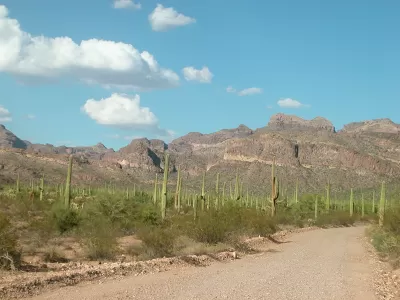
Jessica Kutz writes about the difference in support for threatened public lands by the recreation industry. When the Trump administration announced plans to scale back the borders of Bears Ears National Monument in Utah, companies like Patagonia sprang into action. But areas along the U.S.-Mexico border are also facing major threats from border wall construction, and activists say they are not receiving the same support.
"As a result, in places like Organ Pipe Cactus National Monument [in Arizona], saguaros are being ripped from the ground, and tribal nations will lose access to land sacred to them. Once it is built, the wall will sever wildlife habitat between the U.S. and Mexico. Conservationists and activists at the border are tirelessly documenting every development. But lately, they’ve begun asking themselves, 'Where is everyone else?'" says Kutz.
The larger story, notes Kutz, is about the lack of diversity in the outdoor recreation industry, both within companies and among consumers, and the resulting equity issues. When companies are motivated to represent the needs of their customers, the interests of people of color and poor people are not fully acknowledged. "Border residents who have deep ties to the landscape and its wildlife — but lack the money to buy products from companies like Patagonia, for example — are losing out on that sort of advocacy currency," adds Kutz.
FULL STORY: How Big Rec chooses its public-lands battles

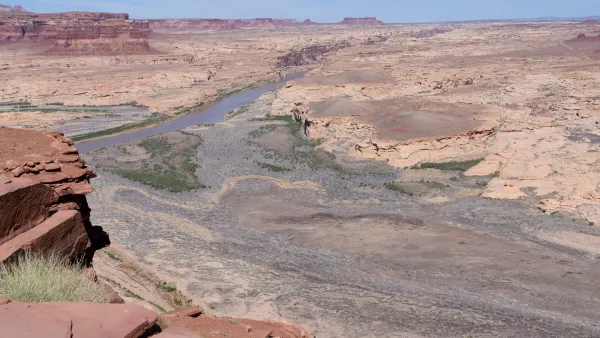
Feds say Arizona, California and Nevada must cut Colorado River water use by 1.25 million acre-feet
The new plan does not apply mandatory cuts to any of the river’s upper basin states.
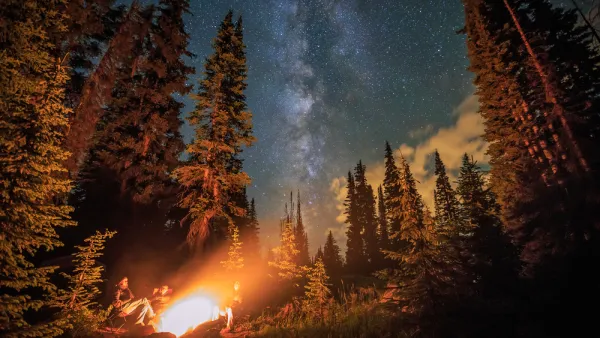
The Great Outdoors—Sans Campfires
Regulators are increasingly requiring outdoor adventurers to enjoy wilderness excursions without the solace and warmth of a campfire, as the drought and heat of climate change leaves natural areas ready to spark and burn year-round.
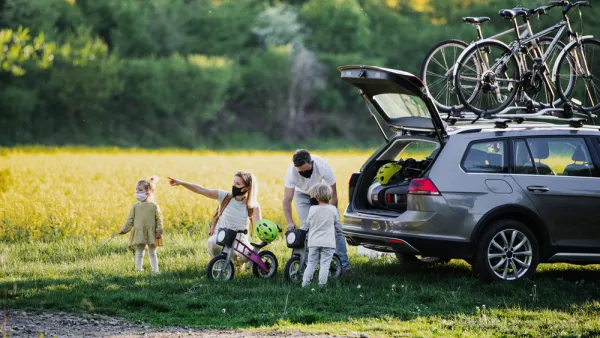
How COVID-19 Has Impacted Outdoor Recreation
A new report commissioned by the Outdoor Industry Association offers valuable insights about Americans’ engagement in outdoor activities amid the COVID-19 pandemic.

The state-sanctioned urbicide of Austin
People don’t kill cities. Freeways do.

US to reduce Colorado River water deliveries to Mexico
A new Colorado Treaty amendment reduces Mexico’s Colorado River water allocation by 250,000 acre feet.

New Jersey’s second-largest city bans standalone data centers
Jersey City will continue to allow co-location facilities, such as those meant for research institutions that store their own data.

Amtrak not solely to blame for New Jersey commuter rail's unreliability, report finds
A new study from the Garden State Initiative found that NJ Transit’s budget grew 20% across a 4 year period, but reliability declined significantly over the same period.

EPA erases limits on planet-warming pollution from power plants
Under Monday’s plan, power plants would still have some limits on how much mercury, arsenic and other contaminants they can emit.

Phoenix announces new on-demand transit service, more frequent RAPID buses
Both new services will launch in October, and are part of Phoenix's Project Effective Access Solutions for Easing Congestion.

FREE Course: Walkable City 1: Why Walkability?
After describing his path towards focusing on walkability as the essence of good planning, Jeff Speck marches through his five principal reasons for making more walkable places.
Reinventing Malls: Planning Alchemy—Turning Gray Fields Into Gold
The course focuses on the opportunities and imperatives that shape reinvention of mall sites.

Eagle County Government
Harvard University Graduate School of Design
Nashville Planning Department
The Architects Foundation
University of Cincinnati Online
The Pocatello Development Authority
The Urban Renewal Agency of the City of Pocatello
Journal of the American Planning Association