The proposed fee on households with multiple vehicles would generate $9 million to improve the region’s transit system.


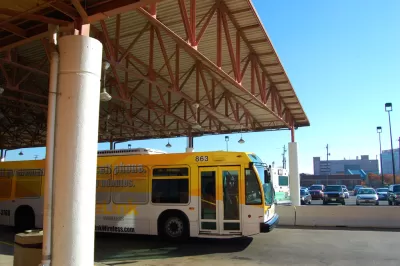
Katie Riordan reports on a proposal by Mayor Lee Harris of Shelby County, Tennessee, for a "sustainability fee" to expand Memphis Area Transit Authority services. The mayor says the funds will be used to improve mobility for low-income, transit-dependent residents while also addressing environmental issues.
For households with more than two vehicles, the proposal originally would have been a $145 fee per additional vehicle. The mayor recently updated the proposal so that the fee would apply only to the third vehicle registered at an address.
Riordan says the public response to the plan has generally been positive, though concerns have been raised about the additional financial burden on households and businesses and the ability of MATA to use the funds effectively.
"Harris, who believes his proposal to be a first step towards transforming Memphis’ transit system, wants the $9 million to help increase the frequency of buses on eight established routes and create a new express airport shuttle, which is in line with the city’s 3.0 transit plan," writes Riordan.
FULL STORY: Mayor Harris Adjusts "Sustainability Fee" Proposal for Public Transit

Madison Common Council Narrowly Approves Unpopular $40 Wheel Tax
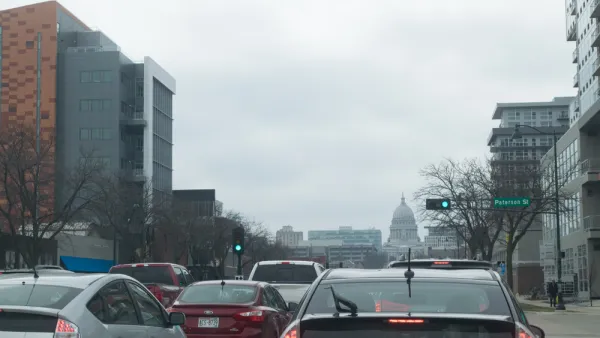
Despite major opposition by residents, the Madison Common Council approved a $40 motor vehicle registration fee (aka 'wheel tax') on an 11-8 vote on Oct. 29 to help fund the city's new East-West Bus Rapid Transit system.

Memphis Launches 3 Month Free Transit Pilot
The city’s transit authority is making a push to increase ridership and improve its transit system.
Multi-Car Owners May Pay Sustainability Fee to Fund Memphis Area Transit
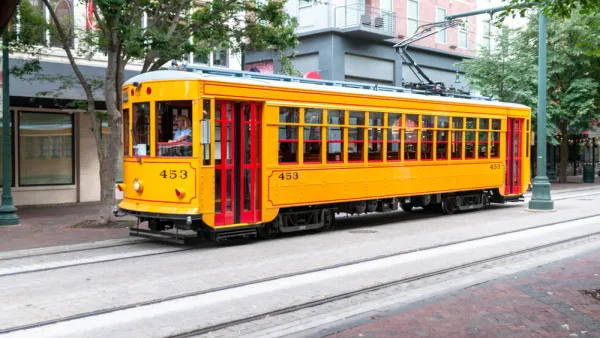
Called a 'sustainability fee' by Mayor Lee Harris of Shelby County, the proposed fee would apply only to households that have three or more registered vehicles, about 17 percent of county residents. The first two vehicles would be exempt.

Planetizen Federal Action Tracker
A weekly monitor of how Trump’s orders and actions are impacting planners and planning in America.

The state-sanctioned urbicide of Austin
People don’t kill cities. Freeways do.

US to reduce Colorado River water deliveries to Mexico
A new Colorado Treaty amendment reduces Mexico’s Colorado River water allocation by 250,000 acre feet.

5 New England states march closer to 800 megawatt wind energy project
Securing federal approval for the project may be complicated under the Trump administration, which has historically been hostile towards domestic wind power.

Baltimore to break ground on $50 million Transit Priority Project
The project will bring faster bus trips, safer streets and better bike connections to Baltimore.

Airbnb launches $250 million 'last-dollar financing' housing accelerator, makes first investment in Austin
The company will put $6.4 million towards affordable housing development in Texas’ capital.

FREE Course: Walkable City 1: Why Walkability?
After describing his path towards focusing on walkability as the essence of good planning, Jeff Speck marches through his five principal reasons for making more walkable places.
Reinventing Malls: Planning Alchemy—Turning Gray Fields Into Gold
The course focuses on the opportunities and imperatives that shape reinvention of mall sites.

Eagle County Government
Harvard University Graduate School of Design
Nashville Planning Department
The Architects Foundation
University of Cincinnati Online
The Pocatello Development Authority
The Urban Renewal Agency of the City of Pocatello
Journal of the American Planning Association