Technological improvements and market demand have buoyed the sector against the Trump adminsitration’s attacks.



Technological advances and interest in renewable energy have made wind power attractive to investors and communities around the United States. While the Trump administration has created legislative roadblocks and accused windmills of giving people cancer (they don’t), utilities have continued to build wind farms. "Wind represented the third largest source of new generation in the U.S., behind solar and natural gas in 2018, according to the DOE," John Funk writes for Utility Dive.
Larger rotors and higher windmills made possible by technological advances have created windmills that generate more power. These advances, combined with state mandates for clean energy and existing tax policies, have made the sector attractive to investors. Industry experts predict continued growth in the sector and point to a backlog of projects in the planning phases or in process.
FULL STORY: Wind blows past Trump's digs as average PPA prices fall below $0.02/kWh

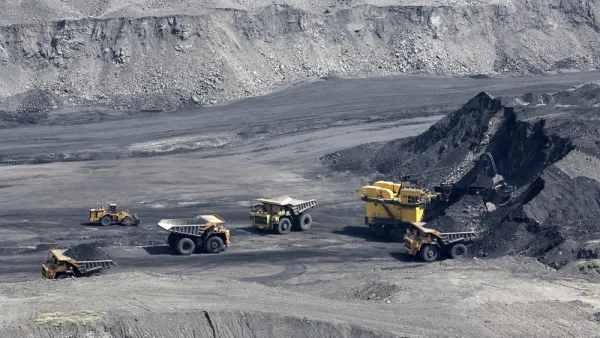
Coal Miners Are Going Back to Work, Proclaims Trump Upon Signing Executive Order
Flanked by coal miners, President Trump signed an executive order on Tuesday that begins the roll back of his predecessor's signature environmental rule, the Clean Power Plan, and other environmental regulations to facilitate energy production.
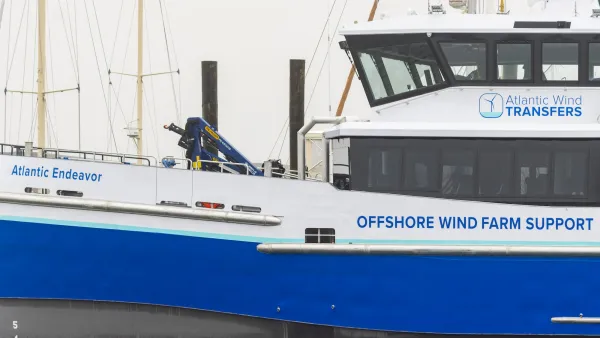
Nation’s Largest Offshore Wind Project, Suspended by Trump, Restarts Construction
A judge issued a temporary restraining order against the Trump administration’s suspension of five East Coast offshore wind projects.
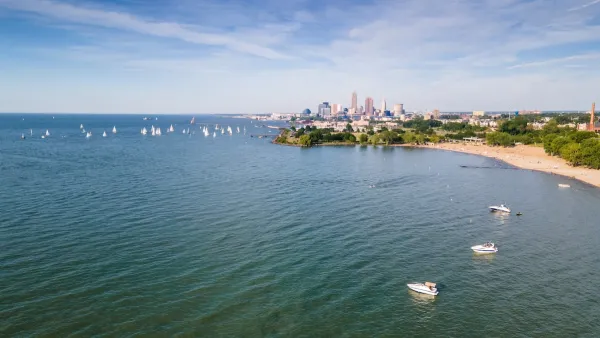
Op-Ed: The Great Lakes Could Be a Key Source of Wind Energy
States, not the federal government, have authority over wind power leases in the Great Lakes.

Planetizen Federal Action Tracker
A weekly monitor of how Trump’s orders and actions are impacting planners and planning in America.

The state-sanctioned urbicide of Austin
People don’t kill cities. Freeways do.

US to reduce Colorado River water deliveries to Mexico
A new Colorado Treaty amendment reduces Mexico’s Colorado River water allocation by 250,000 acre feet.

5 New England states march closer to 800 megawatt wind energy project
Securing federal approval for the project may be complicated under the Trump administration, which has historically been hostile towards domestic wind power.

Baltimore to break ground on $50 million Transit Priority Project
The project will bring faster bus trips, safer streets and better bike connections to Baltimore.

Airbnb launches $250 million 'last-dollar financing' housing accelerator, makes first investment in Austin
The company will put $6.4 million towards affordable housing development in Texas’ capital.

FREE Course: Walkable City 1: Why Walkability?
After describing his path towards focusing on walkability as the essence of good planning, Jeff Speck marches through his five principal reasons for making more walkable places.
Reinventing Malls: Planning Alchemy—Turning Gray Fields Into Gold
The course focuses on the opportunities and imperatives that shape reinvention of mall sites.

Eagle County Government
Harvard University Graduate School of Design
Nashville Planning Department
The Architects Foundation
University of Cincinnati Online
The Pocatello Development Authority
The Urban Renewal Agency of the City of Pocatello
Journal of the American Planning Association