The risk of onerous lot rent increases and the fear of eviction are more threatening than ever as private equity enters the manufactured housing market.


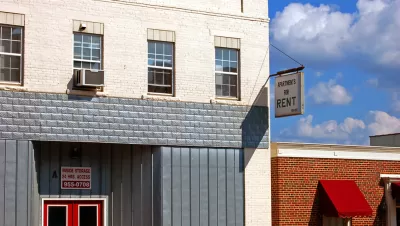
In March, C & C Community in Billings, Montana, became the 11th resident-owned manufactured housing community in the state. With technical assistance from ROC USA partner NeighborWorks Montana, the conversion from a traditional land-lease community to a cooperative took homeowners about six months to accomplish. Manufactured homeowners are particularly vulnerable to market predations because they own their homes but pay a lot rent to the community owner. In nearly every state in the U.S., lot rents are unregulated. C & C Community’s transition to a cooperative helps secure the financial futures of the 60 families who live there; families who, when compared to the land-lease model that governs about 98 percent of all manufactured and mobile home communities, will not face the threat of excessive rent increases, closure, or displacement.
For owners of manufactured homes, the risk of onerous lot rent increases and the fear of eviction are more threatening than ever as private equity and other types of investors enter the market. The destabilizing impact of these new players has been raised by a few outlets, most notably on John Oliver’s “Last Week Tonight,” which recently aired a segment on this topic.
Investments in manufactured and mobile homes communities are among the most profitable in the real estate sector . . .
FULL STORY: How to Temper the Influence of Private Equity in Manufactured Housing

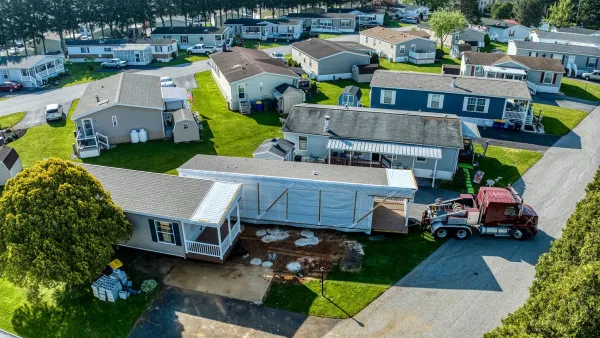
Federal Law Says Manufactured Homes Must be Movable. Changing That Could Unlock an Affordable Housing Boom.
A proposed rule change in the Road to Housing Act would make manufactured housing more flexible and affordable.

Manufactured Crisis: Losing the Nation’s Largest Source of Unsubsidized Affordable Housing
Manufactured housing communities have long been an affordable housing option for millions of people living in the U.S., but that affordability is disappearing rapidly. How did we get here?
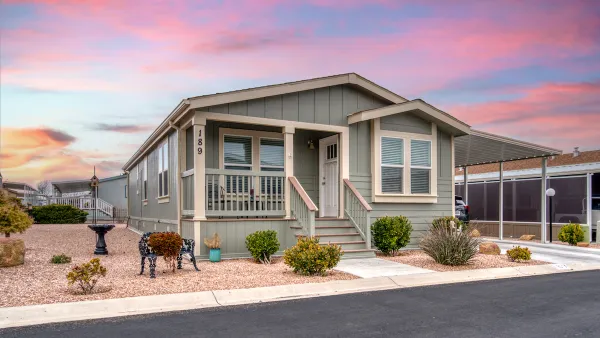
HUD Announces New Loan Limits for Manufactured Housing
The new loan limits are expected to help more homebuyers access affordable housing options.

Planetizen Federal Action Tracker
A weekly monitor of how Trump’s orders and actions are impacting planners and planning in America.

The state-sanctioned urbicide of Austin
People don’t kill cities. Freeways do.

US to reduce Colorado River water deliveries to Mexico
A new Colorado Treaty amendment reduces Mexico’s Colorado River water allocation by 250,000 acre feet.

5 New England states march closer to 800 megawatt wind energy project
Securing federal approval for the project may be complicated under the Trump administration, which has historically been hostile towards domestic wind power.

Baltimore to break ground on $50 million Transit Priority Project
The project will bring faster bus trips, safer streets and better bike connections to Baltimore.

Airbnb launches $250 million 'last-dollar financing' housing accelerator, makes first investment in Austin
The company will put $6.4 million towards affordable housing development in Texas’ capital.

FREE Course: Walkable City 1: Why Walkability?
After describing his path towards focusing on walkability as the essence of good planning, Jeff Speck marches through his five principal reasons for making more walkable places.
Reinventing Malls: Planning Alchemy—Turning Gray Fields Into Gold
The course focuses on the opportunities and imperatives that shape reinvention of mall sites.

Eagle County Government
Harvard University Graduate School of Design
Nashville Planning Department
The Architects Foundation
University of Cincinnati Online
The Pocatello Development Authority
The Urban Renewal Agency of the City of Pocatello
Journal of the American Planning Association