A compromise was necessary to enact inclusionary zoning in Philadelphia, and so far it eems to be working out for program supporters.


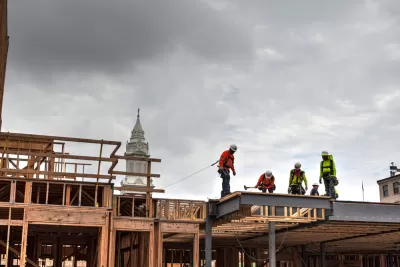
Nine months after Philadelphia expanded its voluntary inclusionary zoning bonus program, 12 projects using the incentive are in the pipeline and the idea is bearing fruit.
Jake Blumgart reports: "The 12 projects will collectively generate more than eight units of affordable housing and deliver $3 million to the city’s Housing Trust Fund, said Paul Chrystie, a spokesman for the Kenney administration."
The new inclusionary zoning program was approved in September, in a deal brokered by Councilmember Maria Quiñones-Sánchez. The law "allows developers to build denser and taller residential projects if they include affordable units on site or contribute money to the Trust Fund — a kind of municipal bank that can provide subsidies for affordable projects," according to Blumgart.
The deal that allowed the inclusionary zoning deal to win approval switched the program from mandatory to voluntary and nixed a proposed construction tax.
"Quiñones-Sánchez said that while she still would prefer a policy that mandated developers build affordable or pay into the housing fund, the voluntary bonus’s track record so far signifies a win," according to Blumgart.
Read the full story: Philadelphia’s controversial new affordable housing policy might actually be working


Will Philly's New Mandatory Inclusionary Zoning Yield Results?
City leaders hope a new affordable housing law will increase the supply of affordable units in the city, but critics say the policy may lead to reduced construction and higher housing costs.

Housing on the Agenda as Philadelphia Election Approaches
In the run-up to a municipal primary scheduled for May 21, Philadelphia's City Council has introduced a range of bills to address housing affordability and tenants' rights.

Philadelphia Leaders Announce Affordable Housing Package—Inclusionary Zoning Not Included
Philadelphia will create a one percent "construction impact tax" to help fund affordable housing projects around the city.

Planetizen Federal Action Tracker
A weekly monitor of how Trump’s orders and actions are impacting planners and planning in America.

California plans to bury El Niño’s downpour
If the state plays its cards right, it may be able to store a billion acre-feet of El Niño’s water in aquifers.

Chicago breaks ground on $3 billion megadevelopment
The new neighborhood, titled Foundry Park, will one day host 3,700 residences.

Satanic place names
From streams and lakes to valleys and canyons, I mapped more than 1,000 places named after the Devil.

California High-Speed Rail Authority CEO resigns after $600,000 scandal
Under Ian Choudri, the authority used taxpayer dollars to fund first class flights and trips to nightclubs.

Want to study the Missouri River? Soon, you may need unanimous approval from 10 states
Legislation would require 10 governors’ permission to study or build projects moving water outside the basin.

FREE Course: Walkable City 1: Why Walkability?
After describing his path towards focusing on walkability as the essence of good planning, Jeff Speck marches through his five principal reasons for making more walkable places.
Reinventing Malls: Planning Alchemy—Turning Gray Fields Into Gold
The course focuses on the opportunities and imperatives that shape reinvention of mall sites.

City of Rosemead
Rutgers University, Edward J. Bloustein School of Planning and Public Policy
One Hundred Miles
Hunter College, City University of New York (CUNY)
The Architects Foundation
University of Cincinnati Online
City of Cambridge
Montrose County
The Pocatello Development Authority