Since 2014, it's been possible to catch a train every hour between 2 am and 4 am on the Green Line connecting Minneapolis and St. Paul. A proposal under consideration at Metro Transit would end late night service,


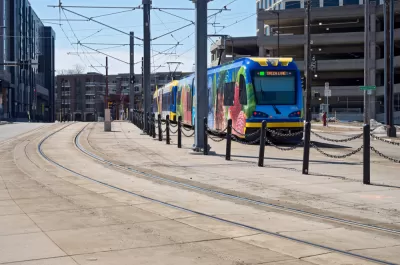
Frederick Melo reports on the political maneuvering as Metro Transit considers cutting overnight transit service on the light rail corridor connecting the downtowns of the two Twin Cities.
On April 4, Melo reported the details of the proposal that would axe service on the Green Line between 2 am and 4 am.
"The 24-hour rail line, which debuted in the summer of 2014, carries some 42,500 passengers per day, making it the most heavily used of any of Metro Transit’s service routes," according to Melo.
"[Metro Transit General Manager Wes] Kooistra said operations maintenance staff have repeatedly requested nightly downtime on the Green Line for regular and unscheduled rail maintenance, mostly because it is safer to do so when the tracks are less active."
Melo also reported on the proposal shortly after a meeting of Metropolitan Council's Equity Advisory Committee, where advocates expressed concern about the plan, as well as doubts that the proposal isn't designed to crackdown on the number of homeless riding the trains.
A full report to the Metropolitan Council is expected in May.
FULL STORY: Metro Transit may cut late-night Green Line service on weekdays

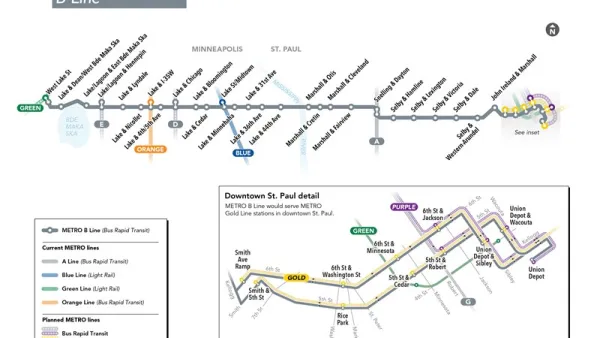
New Bus Rapid Transit Route Breaks Ground in the Twin Cities
The Twin Cities are on a mission to become the bus rapid transit capital of the United States. The latest improvement to advance that ambition broke ground earlier this week.
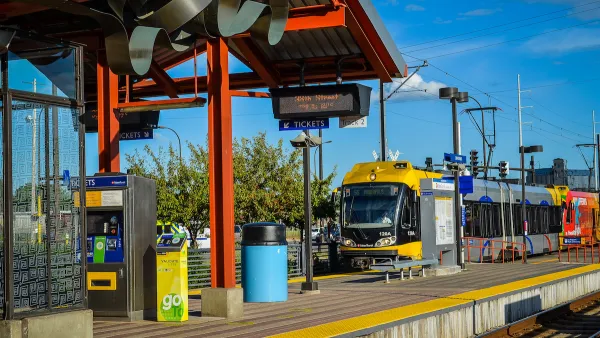
Twin Cities Trains Move to Fewer Cars, Higher Frequency
Headways will drop from 15 minutes to 12 minutes.
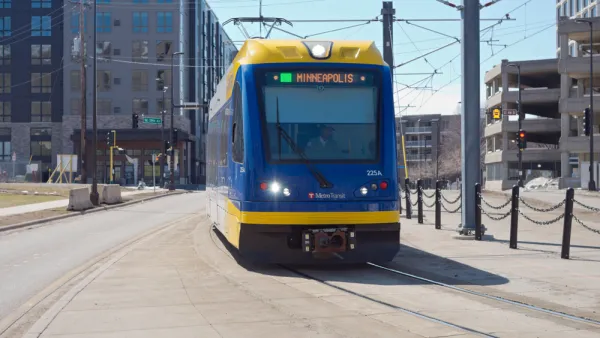
Three New Programs to Increase Transit Ridership in the Twin Cities
With peak hour commuter travel not expected to rebound to pre-pandemic levels, Metro Transit is getting creative in its efforts to attract new riders.

Planetizen Federal Action Tracker
A weekly monitor of how Trump’s orders and actions are impacting planners and planning in America.

The state-sanctioned urbicide of Austin
People don’t kill cities. Freeways do.

US to reduce Colorado River water deliveries to Mexico
A new Colorado Treaty amendment reduces Mexico’s Colorado River water allocation by 250,000 acre feet.

Mamdani overhauls NYC's Vision Zero plan with 100 new policy goals
The overhaul aims to reduce traffic deaths and make streets safer for pedestrians, cyclists and drivers through lower speed limits, new safety infrastructure and more.

Amtrak not solely to blame for New Jersey commuter rail's unreliability, report finds
A new study from the Garden State Initiative found that NJ Transit’s budget grew 20% across a 4 year period, but reliability declined significantly over the same period.

EPA erases limits on planet-warming pollution from power plants
Under Monday’s plan, power plants would still have some limits on how much mercury, arsenic and other contaminants they can emit.

FREE Course: Walkable City 1: Why Walkability?
After describing his path towards focusing on walkability as the essence of good planning, Jeff Speck marches through his five principal reasons for making more walkable places.
Reinventing Malls: Planning Alchemy—Turning Gray Fields Into Gold
The course focuses on the opportunities and imperatives that shape reinvention of mall sites.

Eagle County Government
Harvard University Graduate School of Design
Nashville Planning Department
The Architects Foundation
University of Cincinnati Online
The Pocatello Development Authority
The Urban Renewal Agency of the City of Pocatello
Journal of the American Planning Association