Improved light bulbs have led to huge decreases in residential energy use. Changes to federal standards, however, will likely stymie future progress.


Nadja Popovich writes about the evolution of light bulbs and their contribution to decreases in U.S. energy use. Incandescent bulbs and compact fluorescent bulbs are being replaced with LED bulbs, which use up to 85 percent less energy than older bulbs and can last for 25 years.
In 2012, new efficiency standards for light bulbs kicked in, requiring that new bulbs use 28 percent less energy than incandescent bulbs. "The switch to more efficient lighting has been relatively rapid, Dr. [Lucas] Davis said, because of the short lifespan of traditional light bulbs," notes Popovich.
But industry group are fighting additional regulations set to start next year that prohibit the sale of light bulbs that give off less than 45 lumens per watt. In addition, the Department of Energy announced last month that it was rolling back regulations that would have made decorative bulbs subject to the same standards.
FULL STORY: America’s Light Bulb Revolution

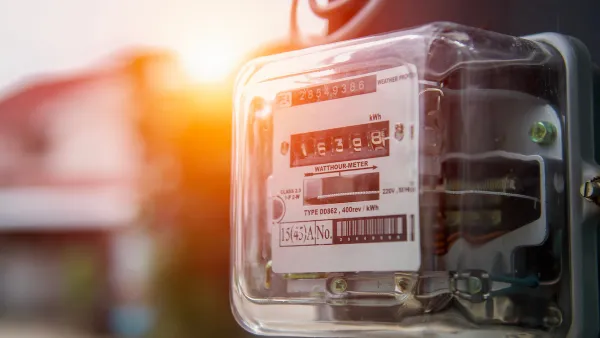
Feds Issue New Energy Efficiency Standards for Affordable Housing
The new standards are expected to lower energy costs for low-income households.

DC energy efficiency rule requires buildings to upgrade their infrastructure or face millions in fines
Building owners and condo co-op members say the upgrades are often prohibitively expensive.
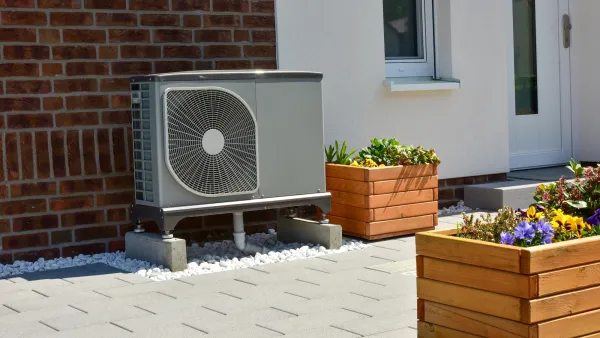
Oregon Requires Energy-efficient Heat Pumps in New Housing
A new state law is expected to save residents an average of $125 per month on energy costs.

Planetizen Federal Action Tracker
A weekly monitor of how Trump’s orders and actions are impacting planners and planning in America.

The state-sanctioned urbicide of Austin
People don’t kill cities. Freeways do.

US to reduce Colorado River water deliveries to Mexico
A new Colorado Treaty amendment reduces Mexico’s Colorado River water allocation by 250,000 acre feet.

Guerilla urbanists are building DIY bus stop benches in Chicago
A before-and-after of one of the bus stops with a new bench. The new benches are not officially sanctioned or permitted, but the residents who placed them hope they will be the start of a network of DIY benches across the city.

Mamdani overhauls NYC's Vision Zero plan with 100 new policy goals
The overhaul aims to reduce traffic deaths and make streets safer for pedestrians, cyclists and drivers through lower speed limits, new safety infrastructure and more.

Amtrak not solely to blame for New Jersey commuter rail's unreliability, report finds
A new study from the Garden State Initiative found that NJ Transit’s budget grew 20% across a 4 year period, but reliability declined significantly over the same period.

FREE Course: Walkable City 1: Why Walkability?
After describing his path towards focusing on walkability as the essence of good planning, Jeff Speck marches through his five principal reasons for making more walkable places.
Reinventing Malls: Planning Alchemy—Turning Gray Fields Into Gold
The course focuses on the opportunities and imperatives that shape reinvention of mall sites.

Eagle County Government
Harvard University Graduate School of Design
Nashville Planning Department
The Architects Foundation
University of Cincinnati Online
The Pocatello Development Authority
The Urban Renewal Agency of the City of Pocatello
Journal of the American Planning Association