In California, a billion gallons of water ends up in the ocean every day. A new bill seeks to curb this practice by requiring treatment facilities to increase recycling and reuse efforts.


California legislators want to see less rainwater discharged into the Pacific Ocean and state estuaries. "SB 332, the Local Water Reliability Act, calls on wastewater treatment facilities to step up recycling, conservation and efficiency to meet reduction targets of 50 percent by 2030 and 95 percent by 2040 for the amount of water dumped into the ocean," reports Kevin Modesti.
State Senators Bob Hertzberg and Scott Wiener, the bill’s backers, say that California communities often use water once and then dispose of it, up to 1.1 billion gallons a day. "Hertzberg cited a climatologist’s estimate, reported in the Los Angeles Times, that more than 80 percent of the region’s rainfall ends up diverted from urban areas in Southern California into the Pacific Ocean," notes Modesti.
They argue that the water should be recycled and used for landscape and agricultural irrigation to reduce the practice of diverting water to Southern California from the Colorado River and the Bay-Delta watershed in the northern part of the state.
Hertzberg backed a similar bill in 2015 that faced opposition from water agencies citing the immense costs that would come along with reuse mandates. The earlier bill did not get past the committee level, but the Association of California Water Agencies has not yet taken an official stance on the latest bill.
Read the full story: See all that water flowing into the ocean? Bill by Sen. Hertzberg aims to save it

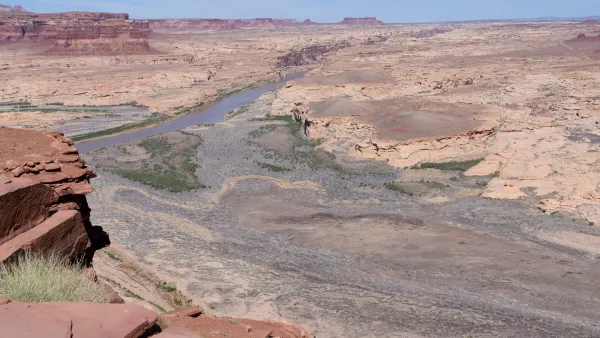
Feds say Arizona, California and Nevada must cut Colorado River water use by 1.25 million acre-feet
The new plan does not apply mandatory cuts to any of the river’s upper basin states.
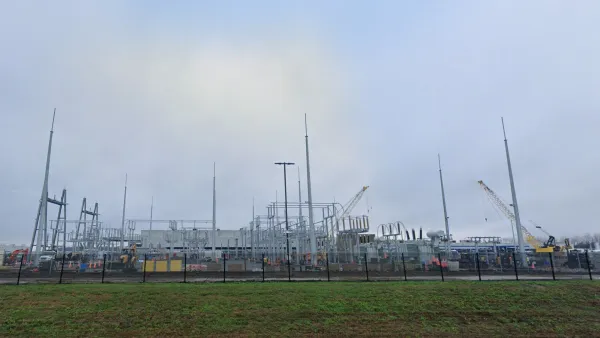
Memphis Data Center Will Harness Wastewater for Cooling
The xAI-owned Colossus facility uses as much water as 10,000 households.

Wastewater System Upgrade Plans Already Out of Date
Some Midwest cities' plans to upgrade decades-old sewer systems rely on outdated rainfall predictions as flood risks grow due to climate change and shifting weather patterns.

Planetizen Federal Action Tracker
A weekly monitor of how Trump’s orders and actions are impacting planners and planning in America.
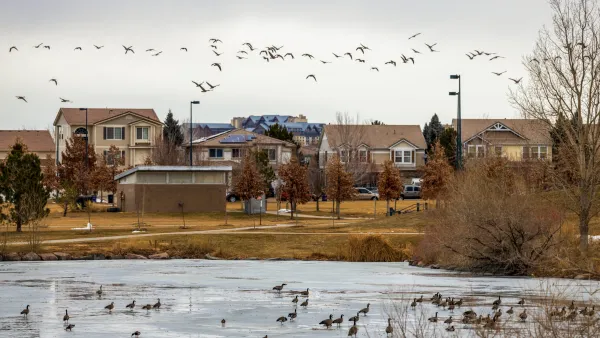
Colorado’s Largest Data Center Could Rise Next to Homes — Without a Public Hearing
The proposed campus would consume 11 times the power of Denver International Airport; as it has across the country, opposition mounts.

US to reduce Colorado River water deliveries to Mexico
A new Colorado Treaty amendment reduces Mexico’s Colorado River water allocation by 250,000 acre feet.
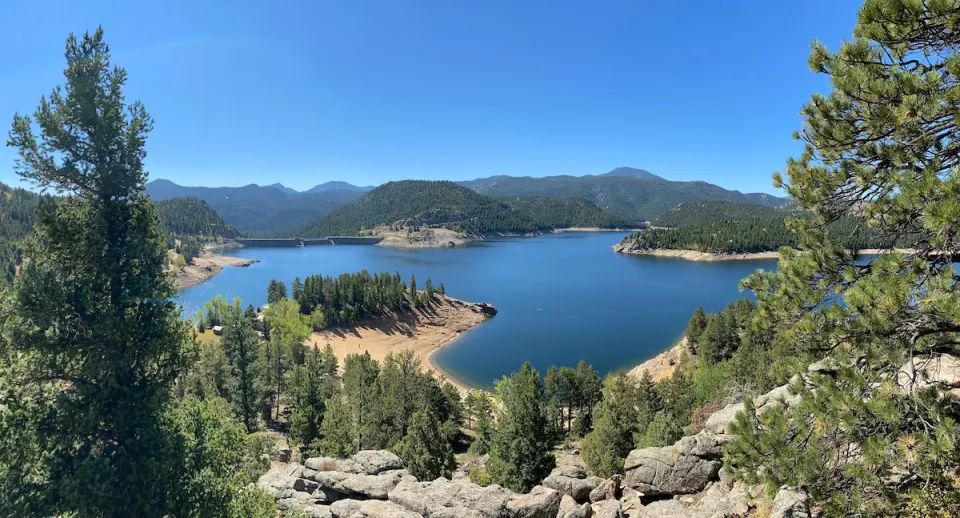
Judges permit Denver to divert 77,000 acre feet from the Colorado River for reservoir expansion
Overuse and climate change have caused the Colorado River’s water levels to plummet.

Amtrak, CN end decades-long dispute with eight-year agreement
The new operating agreement establishes an updated framework for the companies to work together, including processes to resolve disputes.

Raised interest rates may kill financially vulnerable construction projects
The chief economist at ConstructConnect warns that if construction project owners are negatively impacted by the raised rates, it could result in delayed payments to contractors.

FREE Course: Walkable City 1: Why Walkability?
After describing his path towards focusing on walkability as the essence of good planning, Jeff Speck marches through his five principal reasons for making more walkable places.
Reinventing Malls: Planning Alchemy—Turning Gray Fields Into Gold
The course focuses on the opportunities and imperatives that shape reinvention of mall sites.

(NRCS_Photo_Gallery).jpg)
KFH Group Inc.
Greater Baltimore Committee
Eagle County Government
The Architects Foundation
University of Cincinnati Online
The Pocatello Development Authority
The Urban Renewal Agency of the City of Pocatello