A network of monitoring devices will bring together technology and data analytics to help inform residents about air pollution.


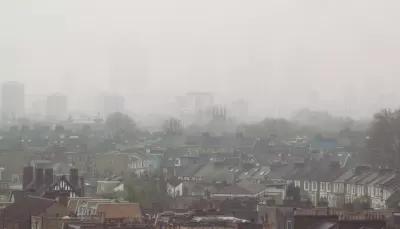
A new project called Breathe London will use stationary and mobile detectors to measure air quality throughout the city, reports Jenny Anderson:
The network will put 100 new fixed sensor pods in pollution hotspots and places where kids congregate, such as schools and nurseries. Sensors affixed to two Google view street cars will measure pollution about every 30 meters (98 feet), documenting pollution hotspots in real time for a year where fixed sensors cannot.
Children are especially vulnerable to the health effects of air pollution, and Mayor Sadiq Khan launched the Breathe London program at a school where almost a third of students have asthma.
The data gathered will be available on an interactive online map showing pollution sources and patterns and the impacts of factors such as weather and street design. "Armed with the data those monitoring systems provide, citizens particularly at risk will know what parts of the city to avoid, and policy makers will know where to concentrate efforts to reduce air pollution," notes Anderson.
FULL STORY: London is trying to make itself less toxic to kids

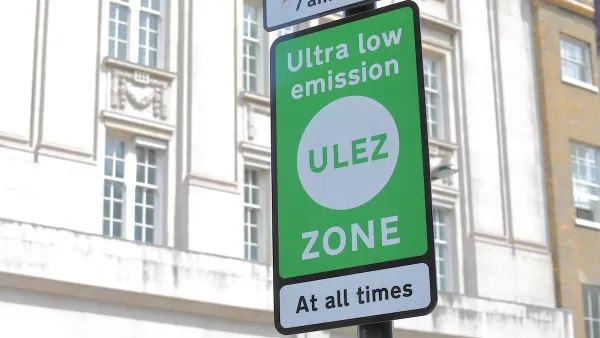
Study: London ULEZ Rapidly Cleaning up Air Pollution
Expanding the city’s ultra low-emission zone has resulted in dramatic drops in particle emissions in inner and outer London.
The London Subway Is Bad for Commuters' Lungs
A new study from the University of Surrey produced counterintuitive results about the relative pollution levels of commuters around London.
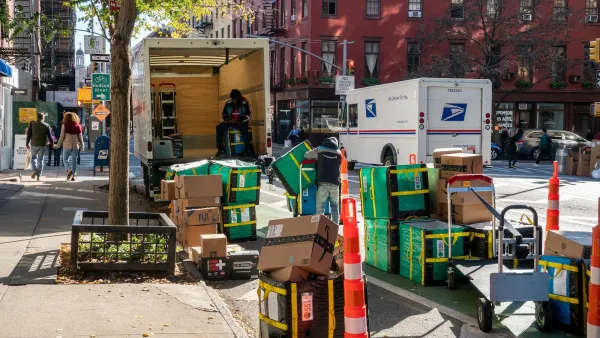
Report: 75% of NYC warehouses are in 'disadvantaged communities'
Low-income New Yorkers are 1.2 times more likely to live within half a mile of a warehouse.

Planetizen Federal Action Tracker
A weekly monitor of how Trump’s orders and actions are impacting planners and planning in America.

The state-sanctioned urbicide of Austin
People don’t kill cities. Freeways do.

US to reduce Colorado River water deliveries to Mexico
A new Colorado Treaty amendment reduces Mexico’s Colorado River water allocation by 250,000 acre feet.

Mamdani overhauls NYC's Vision Zero plan with 100 new policy goals
The overhaul aims to reduce traffic deaths and make streets safer for pedestrians, cyclists and drivers through lower speed limits, new safety infrastructure and more.

Amtrak not solely to blame for New Jersey commuter rail's unreliability, report finds
A new study from the Garden State Initiative found that NJ Transit’s budget grew 20% across a 4 year period, but reliability declined significantly over the same period.

EPA erases limits on planet-warming pollution from power plants
Under Monday’s plan, power plants would still have some limits on how much mercury, arsenic and other contaminants they can emit.

FREE Course: Walkable City 1: Why Walkability?
After describing his path towards focusing on walkability as the essence of good planning, Jeff Speck marches through his five principal reasons for making more walkable places.
Reinventing Malls: Planning Alchemy—Turning Gray Fields Into Gold
The course focuses on the opportunities and imperatives that shape reinvention of mall sites.

Eagle County Government
Harvard University Graduate School of Design
Nashville Planning Department
The Architects Foundation
University of Cincinnati Online
The Pocatello Development Authority
The Urban Renewal Agency of the City of Pocatello
Journal of the American Planning Association