From opportunity zone to 'opportunity-free zone.'


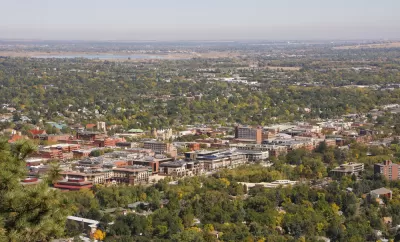
"[The] Boulder City Council voted 6-3 to temporarily ban development of office space and demolition of apartment buildings in a broad eastern swath of the city designated as a federal opportunity zone," reports Shay Castle.
The decision prompted a soundbite that could only happen in 2018. Councilmember Bob Yates, one of the votes against the moratorium had this to say in response to the final decision: "With this moratorium, we just turned an opportunity zone into an opportunity-free zone."
The moratorium is drafted to remain in place through June 2020. In the meantime, the city is working on completing zoning regulations to implement the recently completed Boulder Valley Comprehensive Plan. New zoning regulations could move up the expiration date of the moratorium.
Although it's not totally clear from the article, it's implied that the moratorium was approved out of concern over potential investments following incentives provided by the federal Opportunity Zone program. According to statements by Councilmember Sam Weaver, the comp plan prioritizes the preservation or retail, while increasing housing and curb office spaces.
The implication, then, is that the Opportunity Zone program places those goals at risk. The moratorium was thus drafted in "emergency." City Councilmember Jill Alder Grano had this to say about whether the term was warranted: "To call this an emergency, as a member of the public I lose a little faith….It's a terrible way to govern."
FULL STORY: 'Opportunity-free zone:' Council bans development, demolition in east Boulder

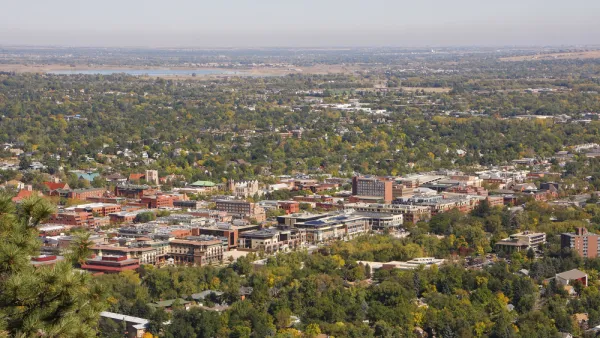
One City Was Skeptical Enough About Opportunity Zones to Declare a Development Moratorium
Boulder declared a moratorium on development in a federally designated Opportunity Zone back in December. Here's how the decision has played out so far.

Boulder Eliminates Parking Minimums Citywide
Officials estimate the cost of building a single underground parking space at up to $100,000.
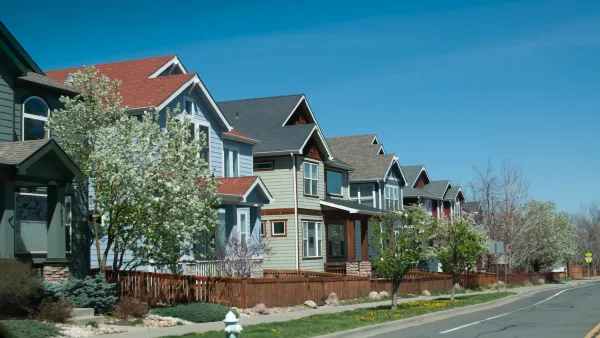
Proposed Boulder Ballot Measures Call for Impact Fees, Affordable Duplexes
Boulder residents are working to put two housing-related proposals on the November ballot.

The state-sanctioned urbicide of Austin
People don’t kill cities. Freeways do.

US to reduce Colorado River water deliveries to Mexico
A new Colorado Treaty amendment reduces Mexico’s Colorado River water allocation by 250,000 acre feet.

New Jersey’s second-largest city bans standalone data centers
Jersey City will continue to allow co-location facilities, such as those meant for research institutions that store their own data.

Amtrak not solely to blame for New Jersey commuter rail's unreliability, report finds
A new study from the Garden State Initiative found that NJ Transit’s budget grew 20% across a 4 year period, but reliability declined significantly over the same period.

EPA erases limits on planet-warming pollution from power plants
Under Monday’s plan, power plants would still have some limits on how much mercury, arsenic and other contaminants they can emit.

Phoenix announces new on-demand transit service, more frequent RAPID buses
Both new services will launch in October, and are part of Phoenix's Project Effective Access Solutions for Easing Congestion.

FREE Course: Walkable City 1: Why Walkability?
After describing his path towards focusing on walkability as the essence of good planning, Jeff Speck marches through his five principal reasons for making more walkable places.
Reinventing Malls: Planning Alchemy—Turning Gray Fields Into Gold
The course focuses on the opportunities and imperatives that shape reinvention of mall sites.

Eagle County Government
Harvard University Graduate School of Design
Nashville Planning Department
The Architects Foundation
University of Cincinnati Online
The Pocatello Development Authority
The Urban Renewal Agency of the City of Pocatello
Journal of the American Planning Association