Integrating autonomous vehicles into cities will require effectively managing city streets and suburban sprawl.


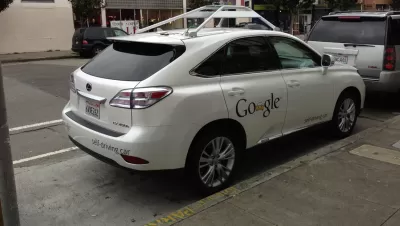
In an excerpt from his new book Walkable City Rules: 101 Steps to Making Better Places, Jeff Speck considers the future of autonomous vehicles and their place in the urban landscape.
Speck argues that while advocates of AVs outline a multitude of potential benefits, an alternative take is less positive:
History would suggest that the widely held vision of swarming public fleets, uninterrupted by private and non-autonomous cars, is unlikely to happen in the United States, where no city has ever shown the willingness to limit private car use in any meaningful way, despite crippling traffic.
Speck says AVs on American roads will result in more car travel, not less. As a result, the focus for cities should be on regulating roadways. “In an AV future, each city street would ideally be allocated a limited number of driving lanes, no more than currently present. Only in this way will our downtowns remain welcoming to more than just cars,” says Speck.
In addition, AVs will encourage travel over longer distances and so cities must work to contain the suburban sprawl that this travel will encourage. Cities also need to strategically manage the relationship between AVs and transit, says Speck. The significantly higher capacity of transit vehicles means that urban mobility in cities grappling with congestion would be hampered if transit is swapped out for low-capacity AVs.
FULL STORY: Walkable City Rules: Don’t Expand City Streets for Self-Driving Cars

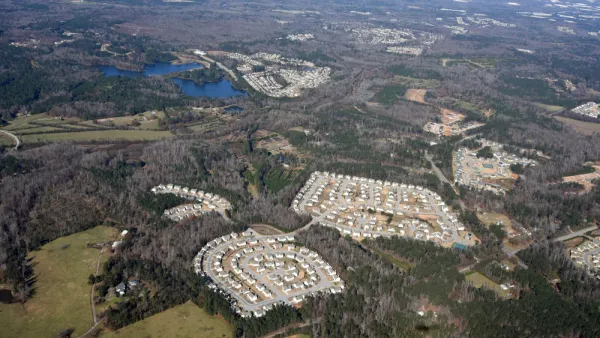
CNU Report Outlines Incremental Steps for More Walkable Suburbs
Transforming suburban sprawl is a massive undertaking, but these small steps can help communities understand their needs and assets and develop clear, actionable goals for the future.
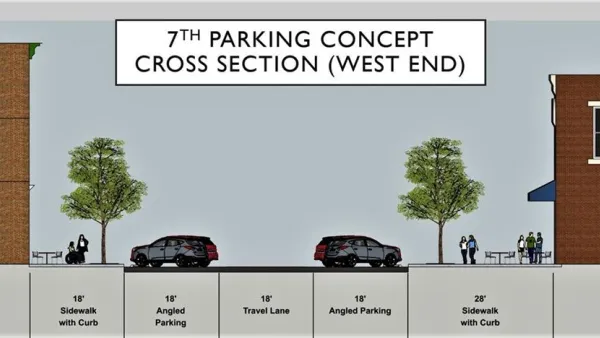
Street Redesign as an Economic Development Tool
The city of Covington in Kentucky is working on street improvements on key downtown streets in the hopes of attracting new business to the area.

U.S. Lagging in Making Streets Safer for Pedestrians
Pedestrian deaths are on the rise in the United States, but cities have been slow to implement effective policies and road design measures to change the trend.

The state-sanctioned urbicide of Austin
People don’t kill cities. Freeways do.

US to reduce Colorado River water deliveries to Mexico
A new Colorado Treaty amendment reduces Mexico’s Colorado River water allocation by 250,000 acre feet.

New Jersey’s second-largest city bans standalone data centers
Jersey City will continue to allow co-location facilities, such as those meant for research institutions that store their own data.

Amtrak not solely to blame for New Jersey commuter rail's unreliability, report finds
A new study from the Garden State Initiative found that NJ Transit’s budget grew 20% across a 4 year period, but reliability declined significantly over the same period.

EPA erases limits on planet-warming pollution from power plants
Under Monday’s plan, power plants would still have some limits on how much mercury, arsenic and other contaminants they can emit.

Phoenix announces new on-demand transit service, more frequent RAPID buses
Both new services will launch in October, and are part of Phoenix's Project Effective Access Solutions for Easing Congestion.

FREE Course: Walkable City 1: Why Walkability?
After describing his path towards focusing on walkability as the essence of good planning, Jeff Speck marches through his five principal reasons for making more walkable places.
Reinventing Malls: Planning Alchemy—Turning Gray Fields Into Gold
The course focuses on the opportunities and imperatives that shape reinvention of mall sites.

Eagle County Government
Harvard University Graduate School of Design
Nashville Planning Department
The Architects Foundation
University of Cincinnati Online
The Pocatello Development Authority
The Urban Renewal Agency of the City of Pocatello
Journal of the American Planning Association