New York habitually lets property owners begin construction without disclosing that their buildings are rent-stabilized or occupied by tenants.


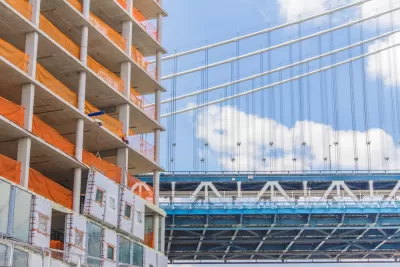
Landlords throughout New York City have falsified more than 10,000 applications to renovate or expand their properties, according to a new report from the Housing Rights Initiative. The move is often part of a ploy to drive tenants out of rent-stabilized units so they can be replaced with market-rate, advocates explain.
The issue gained attention after Kushner Companies was fined $210,000 for the illegal practice, Politico reports. Kushner's practices also recently shed light on New York's lax enforcement of building codes.
Currently, a fine is the only penalty for applications that falsely report being unoccupied or exempt from rent stabilization; the permits are still routinely granted and construction allowed to proceed. Legislation from City Councilmember Ritchie Torres attempts to increase oversight by requiring the Buildings and Finance departments to improve their information-sharing practices.
New York has seen a net loss of nearly 150,000 rent-stabilized units since 1994, Politico notes.
FULL STORY: Kushner's false construction filings part of widespread city trend

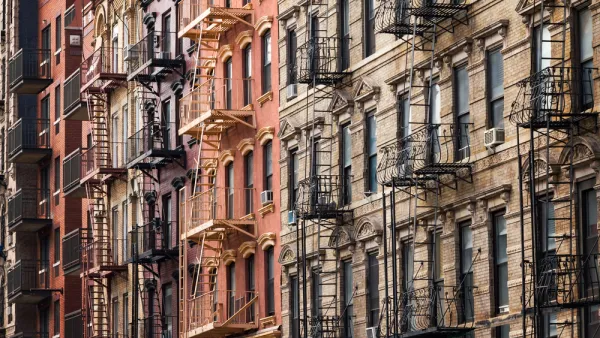
The Endangered Rent-Stabilized Apartment in New York City
Laws that control rent-stabilized apartments have been weakened over the last 25 years while the surging economy drives many of these units into the free market.

NYC landlords sue Mamdani administration over rent freeze
The suit charges the administration with unfairly promoting the rent freeze and accuses the city's Rent Guidelines Board of yielding to pressure from the mayor.
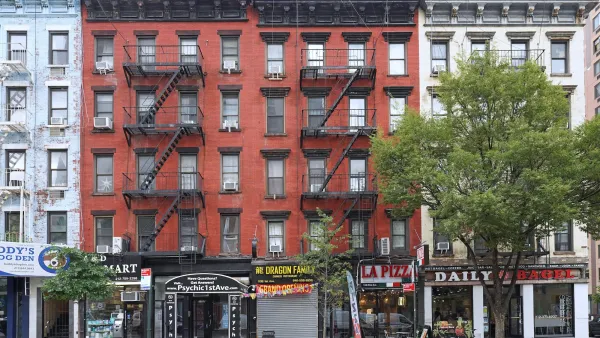
NYC Rent Transparency Act Requires Public Notices on Rent-stabilized Apartments
The new law requires publicly posted notices in all buildings with at least one rent-stabilized unit.

Planetizen Federal Action Tracker
A weekly monitor of how Trump’s orders and actions are impacting planners and planning in America.

The state-sanctioned urbicide of Austin
People don’t kill cities. Freeways do.

US to reduce Colorado River water deliveries to Mexico
A new Colorado Treaty amendment reduces Mexico’s Colorado River water allocation by 250,000 acre feet.

Amtrak not solely to blame for New Jersey commuter rail's unreliability, report finds
A new study from the Garden State initiative found that NJ Transit’s budget grew 20% across a 4 year period, but reliability declined significantly over the same period.

EPA erases limits on planet-warming pollution from power plants
Under Monday’s plan, power plants would still have some limits on how much mercury, arsenic and other contaminants they can emit.

Phoenix announces new on-demand transit service, more frequent RAPID buses
Both new services will launch in October, and are part of Phoenix's Project Effective Access Solutions for Easing Congestion.

FREE Course: Walkable City 1: Why Walkability?
After describing his path towards focusing on walkability as the essence of good planning, Jeff Speck marches through his five principal reasons for making more walkable places.
Reinventing Malls: Planning Alchemy—Turning Gray Fields Into Gold
The course focuses on the opportunities and imperatives that shape reinvention of mall sites.


Eagle County Government
Harvard University Graduate School of Design
Nashville Planning Department
The Architects Foundation
University of Cincinnati Online
The Pocatello Development Authority
The Urban Renewal Agency of the City of Pocatello
Journal of the American Planning Association