A third straight summer spent in a haze of smoke from nearby wildfires is taking a psychological toll on Seattle residents. A political response is also taking shape.


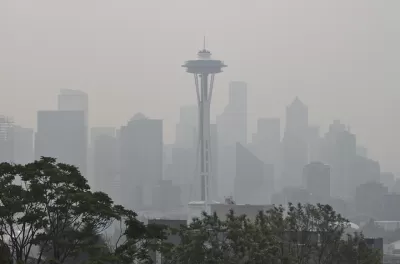
David Kroman writes about a third consecutive summer of smoke in Seattle as smoke from wildfires in Canada and the Cascade Mountains blanket the city.
This is the worst year yet. University of Washington weather expert Cliff Mass reported that, on Monday afternoon, a Puget Sound Clean Air Agency site in the city recorded the highest levels of smoke for a one-hour period since monitoring began about two decades ago. Last Wednesday, he reported that two spots in the region had recorded the worst 24 hours of air quality on record for either spot.
The poor quality has put a serious damper on summer. Tourists can't see the surrounding city and mountain ranges from the Space Needle, the local Major league Soccer Team cancelled its summer camps, planes have been delayed, and residents have been urged to stay indoors. "Seattle Mayor Jenny Durkan issued a press release urging residents to stay indoors and avoid driving, but some residents turned to their cars, adding to the smoke, to avoid spending time outside," according to Kroman.
As noted by Kroman, Gov. Jay Inslee seized the moment by advocating for Initiative 1631, which would implement a new carbon tax if approved by voters in November. King 5 News reported on a press conference where the governor discussed that legislation in reference to the air quality emergency.
The Seattle chapter of the Sierra Club also released a call to action in response to the smoke, calling for free public transit on bad air quality days, increased tolls for driving over bridges and surcharges for commercial parking, and more.
"The Sierra Club also strongly encourages everyone to support action to move our region, our state, our country, and our planet off of fossil fuels, in order to address the underlying causes of these massive firestorms. That begins with supporting the passage of Initiative 1631 in November," according to the blog post issuing the call to action.
FULL STORY: Seattle Is Choking on a Cloak of Wildfire Smoke

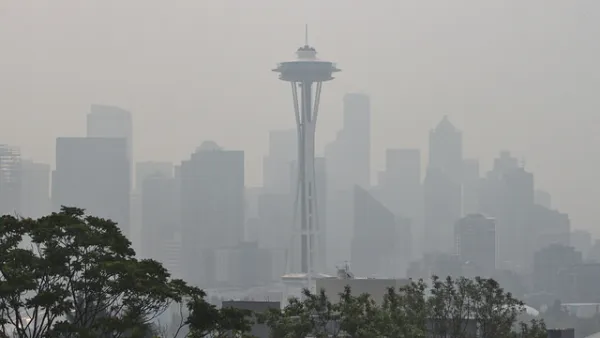
Seattle Clean-Air Shelters to Provide Relief to Residents
Wildfires have caused the city’s air quality to plummet in recent years. The new shelters will give residents a break when the air is not fit to breathe.
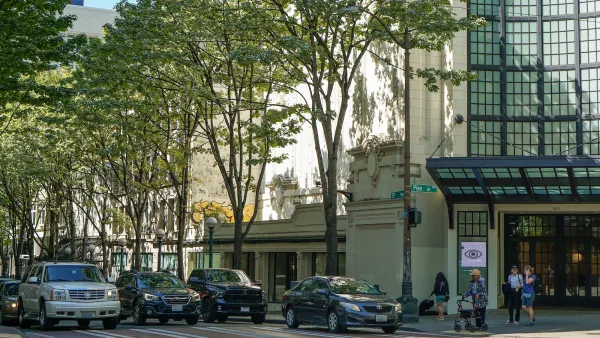
Washington Urban Forestry Program Faces 'Existential' Budget Cut
A proposed budget eliminates funding for a key urban forestry program that funds greening efforts across the state.
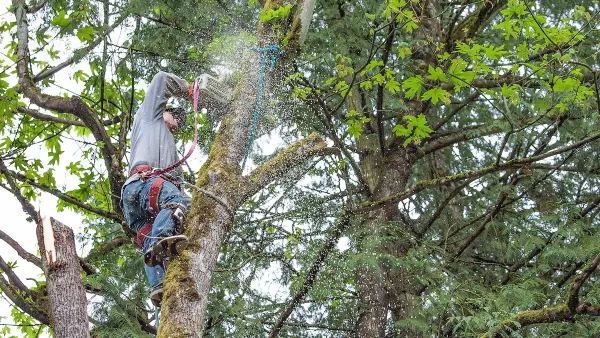
Seattle Conflict Between Trees and Housing Heats up
A 2023 update to Seattle’s tree ordinance has led to sharp increase in the number of trees being cut down for redevelopment, prompting advocates to call for better protection of the city’s tree canopy.

Planetizen Federal Action Tracker
A weekly monitor of how Trump’s orders and actions are impacting planners and planning in America.

The state-sanctioned urbicide of Austin
People don’t kill cities. Freeways do.

US to reduce Colorado River water deliveries to Mexico
A new Colorado Treaty amendment reduces Mexico’s Colorado River water allocation by 250,000 acre feet.

Mamdani overhauls NYC's Vision Zero plan with 100 new policy goals
The overhaul aims to reduce traffic deaths and make streets safer for pedestrians, cyclists and drivers through lower speed limits, new safety infrastructure and more.

Amtrak not solely to blame for New Jersey commuter rail's unreliability, report finds
A new study from the Garden State Initiative found that NJ Transit’s budget grew 20% across a 4 year period, but reliability declined significantly over the same period.

EPA erases limits on planet-warming pollution from power plants
Under Monday’s plan, power plants would still have some limits on how much mercury, arsenic and other contaminants they can emit.

FREE Course: Walkable City 1: Why Walkability?
After describing his path towards focusing on walkability as the essence of good planning, Jeff Speck marches through his five principal reasons for making more walkable places.
Reinventing Malls: Planning Alchemy—Turning Gray Fields Into Gold
The course focuses on the opportunities and imperatives that shape reinvention of mall sites.

Eagle County Government
Harvard University Graduate School of Design
Nashville Planning Department
The Architects Foundation
University of Cincinnati Online
The Pocatello Development Authority
The Urban Renewal Agency of the City of Pocatello
Journal of the American Planning Association