A coalition of indigenous groups in the United States are concerned about provisions in the bill that may weaken their ability to halt large energy projects.


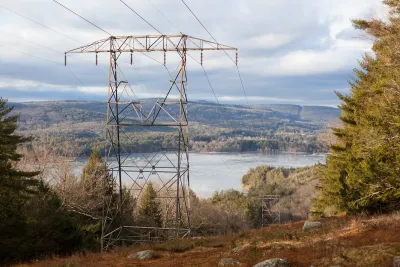
When a coalition of several major tribal nations in the United States saw the first draft of the Bipartisan American Affordability and Jobs Act of 2026, they said the bill would bring about “the demolition of [their] heritage.” Even after amendments, the bill narrows what projects can be halted for diminishing the historical value of the land, and stops judges from pausing construction work if they find a flaw in the historic preservation analysis, provisions some tribes are concerned about.
Grist reports:
“While this amendment addresses select concerns, the authors ask Indian Country to be grateful Washington chose to take away fewer of our rights in the name of ‘progress,’” said Ira Matt, the head of the National Association of Tribal Historic Preservation Officers and a member of the Confederated Salish and Kootenai Tribes. He also said the bill erodes “protections we have spent decades fighting to secure” and that those supporting it had demonstrated a “fundamental failure to understand and respect Tribal sovereignty.”
Other tribes have endorsed the bill: “The Apsáalooke (Crow) tribe, whose reservation covers 2 million acres in Montana, told Senate negotiators last month that the bill could deliver ‘a predictable regulatory environment’ and greater ‘investment certainty” for ‘energy-producing tribes,’” Jake Bittle writes for Grist.
Read the full story: Tribes push back as Congress moves to fast-track energy projects
Final vote on BAAJA may happen this week — what happens if it passes?
The bill makes it very difficult to revoke permits, amplifying the power of whoever is issuing them.
Bill to overhaul energy permitting advances through Senate
The Bipartisan American Affordability and Jobs Act of 2026 still needs to pass the House of Representatives.
Democrats’ victory may threaten act to expedite energy projects
Democrats may decide to vote against the Bipartisan American Affordability and Jobs Act, and negotiate a more favorable bill once the 120th Congress begins.

Planetizen Federal Action Tracker
A weekly monitor of how Trump’s orders and actions are impacting planners and planning in America.

Washington state to charge fee to drivers with fuel-efficient cars
Revenue from the fee will go towards supporting the state’s highways.

Illinois considers spending $1 billion in taxpayer money on data center
A quantum computing campus and data center are currently under construction in Chicago.

‘Demolition of our heritage:’ Some US tribes speak out against BAAJA
A coalition of indigenous groups in the United States are concerned about provisions in the bill that may weaken their ability to halt large energy projects.

How LA’s new mayor plans to tackle affordable housing crisis
Mayor-elect Nithya Raman has proposed overhauling the city’s permitting process.

Interactive map reveals Pennsylvania's abandoned oil, gas wells — many on residential property
It is difficult for residents to know if a well is near their home, or if it poses a threat to them.

FREE Course: Walkable City 1: Why Walkability?
After describing his path towards focusing on walkability as the essence of good planning, Jeff Speck marches through his five principal reasons for making more walkable places.
Reinventing Malls: Planning Alchemy—Turning Gray Fields Into Gold
The course focuses on the opportunities and imperatives that shape reinvention of mall sites.

City of Charlotte
City of Rosemead
Rutgers University, Edward J. Bloustein School of Planning and Public Policy
University of Michigan School for Environment and Sustainability (SEAS)
Hunter College, City University of New York (CUNY)
The Architects Foundation
University District Partnership