The pilot ‘fast lane’ for permits is part of a bundle of modernization efforts for Pittsburg’s permitting process.


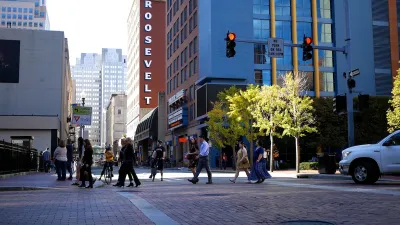
Pittsburg is introducing several modernization efforts aimed at speeding up the city’s permitting process. Completed initiatives include virtual inspections for low-risk projects, and a pilot “fast lane” for routine permits titled "EZ Permits."
Smart Cites Drive reports:
“This first phase of improvements will help applicants spend less time waiting and more time getting projects done,” [Pittsburg Mayor Corey O’Connor] said in a news release. “People doing routine home improvements used to have to wait over a week to get their permit and now will get that permit in as little as one business day.”
Pittsburg also launched a permit tracker that allows residents to track the status of their application. “The next phases of the mayor’s permit reform plan target the review and inspection and completion stages,” Ryan Kushner writes for Smart Cities Dive.
Read the full story: Pittsburgh eyes quicker permitting with virtual inspections and a ‘fast lane’ for low-risk projects

Is AI really the Panacea to our permitting woes?
Let’s have a look at what’s happening on the ground.

One Obstacle to ADU Construction in California: The Price of Permits
The price of a permit to build an accessory dwelling units in the city of Thousand Oaks in Southern California is prohibitive—putting the permitting fee in opposition to the stated intent of the city's zoning code and state law.
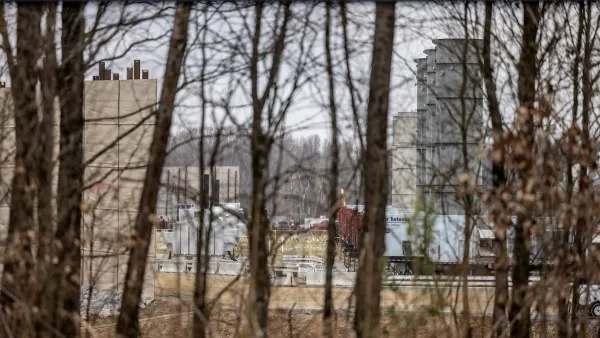
SpaceXAI may be fined $6 million for data center lacking water permits
A Mississippi agency also responds after a federal judge criticized the state’s Clean Air Act enforcement.

Planetizen Federal Action Tracker
A weekly monitor of how Trump’s orders and actions are impacting planners and planning in America.

Eastern Nebraska is running out of electricity
Data centers and electrification are straining eastern Nebraska’s grid, throttling economic development.

Study reveals best places in the U.S. for cycling, walking
New research from Streetlight Data examines bicycle and pedestrian miles per capita in the 100 largest U.S. cities by population.

Federal government nominates new FTA administrator
Mark Aesch is currently the founder and CEO of a transportation management consulting firm.

Developers reveal $10 billion stadium plan as ‘Hail Mary’ to keep Bears in Chicago
The plan would also boast a public park, high- and mid-rise buildings and a youth sports complex.

As Texas embraces carbon storage, a Black community questions the risks
Texas now issues permits for companies to store carbon dioxide underground. East Texas residents fear safety risks, and skeptics doubt the climate benefits.

FREE Course: Walkable City 1: Why Walkability?
After describing his path towards focusing on walkability as the essence of good planning, Jeff Speck marches through his five principal reasons for making more walkable places.
Reinventing Malls: Planning Alchemy—Turning Gray Fields Into Gold
The course focuses on the opportunities and imperatives that shape reinvention of mall sites.

City of Charlotte
City of Rosemead
Rutgers University, Edward J. Bloustein School of Planning and Public Policy
University of Michigan School for Environment and Sustainability (SEAS)
Hunter College, City University of New York (CUNY)
The Architects Foundation
City of Cambridge
The Pocatello Development Authority
The Urban Renewal Agency of the City of Pocatello