Elon Musk has been 'largely alone' in his conviction that radar and lidar sensors are not necessary for the safe operation of autonomous cars.


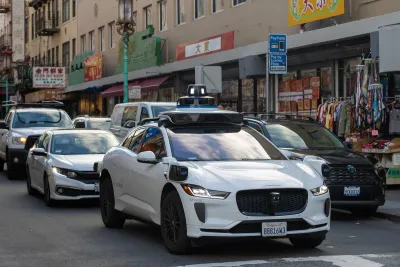
A proposed New Jersey state bill would require autonomous vehicles to use cameras and at least two other sensing technologies, effectively banning Tesla's robotaxi fleet, which uses only cameras.
As Victor Tangermann explains in Futurism, "Other states could soon follow — including New York, which is pondering a similar bill — in a domino effect that could completely derail the automaker’s current trajectory."
According to bill sponsor and senator Andrew Zwicker (D-NJ), there is not enough evidence to support Elon Musk's claim that a single sensor and software "can handle situations that humans can."
Musk is "largely alone" in the belief that cameras, which can be blinded by sun, rain, fog or other weather, are sufficient. "Competitors, most notably Waymo, have made major headway by relying on both cameras and other sensor tech, such as lidar and radar, which perform far better in inclement weather and the dark."
Read the full story: New Jersey Poised to Ban Self-Driving Tesla Robotaxis

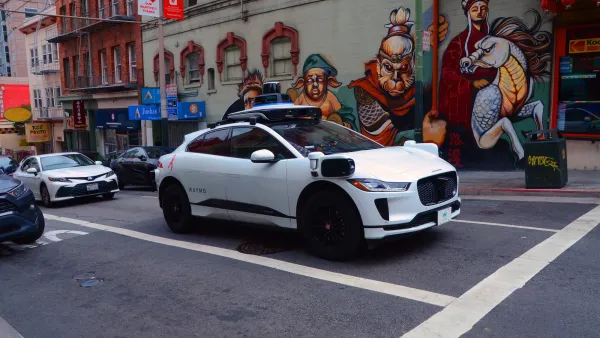
Feds say robotaxis interfering with first responders is a 'functional insufficiency,' demand solutions by August
The NHTSA issued a letter to autonomous carmakers, noting that 'Every second matters when law enforcement officers, firefighters, or paramedics are answering a call.'

Waymo's troubles with emergency vehicles are getting worse
In one case, first responders waited 53 minutes to reach a Waymo support representative during an emergency.
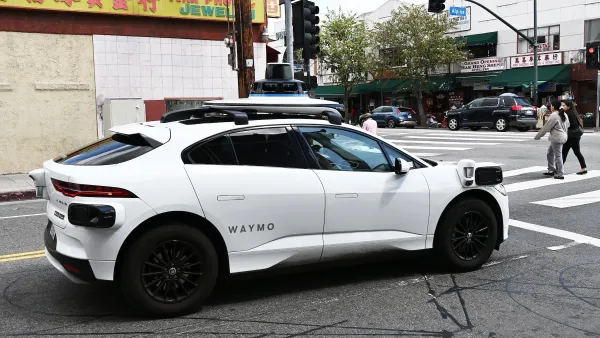
California cops will start ticketing robotaxis
The California DMV issued new guidance that allows law enforcement to give autonomous cars a "notice of noncompliance" when they break traffic laws.

Planetizen Federal Action Tracker
A weekly monitor of how Trump’s orders and actions are impacting planners and planning in America.

Data reveals that NYC’s bet on congestion pricing has paid off
After almost two years of the program, reports show positive impacts on traffic and air quality and no disruptions to parking.

HUD modernizes 50-year-old manufactured housing framework
The Next Generation Manufactured Housing Action Plan establishes new energy-efficiency standards for manufactured homes, and new guidelines for anchoring them.

Small single-family homes are illegal in most of MA. Voters can change that
Most land zoned for single-family housing in Massachusetts requires at least 40,000 square feet of land per house.

Public steps inside U.S.’s first battery-powered train
Metra’s groundbreaking train feature modern seats and a futuristic battery car.

Companies show off AI technology, new innovation hubs at APTA Expo
Nearly 700 companies attended the American Public Transportation Association’s Expo last week, which happens once every three years.

FREE Course: Walkable City 1: Why Walkability?
After describing his path towards focusing on walkability as the essence of good planning, Jeff Speck marches through his five principal reasons for making more walkable places.
Reinventing Malls: Planning Alchemy—Turning Gray Fields Into Gold
The course focuses on the opportunities and imperatives that shape reinvention of mall sites.

One Hundred Miles
County of Mendocino
planning NEXT
The Architects Foundation
University of Cincinnati Online
Montrose County
Northern Illinois Transit Authority (NITA)
The Pocatello Development Authority