The statement prompts questions about the reliability of using AI for 'safety-critical' software.


On an earnings call, the CEO of General Motors admitted that close to 90% of code for the company's autonomous vehicle division is being written by AI, reports Joel South in 24/7 Wall Street.
"This is safety-critical software being machine-written at scale," South adds. According to South, "The 90% applies to GM’s autonomy team specifically, not all of GM’s code base. It powers the next-generation eyes-off, hands-off Super Cruise system targeted to launch on the Cadillac Escalade IQ in 2028. This is pre-launch code, not yet in customer cars."
"GM is positioning its AI-written, simulation-validated approach as the disciplined alternative, though a single high-profile failure of machine-generated safety code would carry significant reputational risk."
Read the full story: GM’s CEO: Humans Aren’t Coding Self-Driving Cars Anymore, AI Is

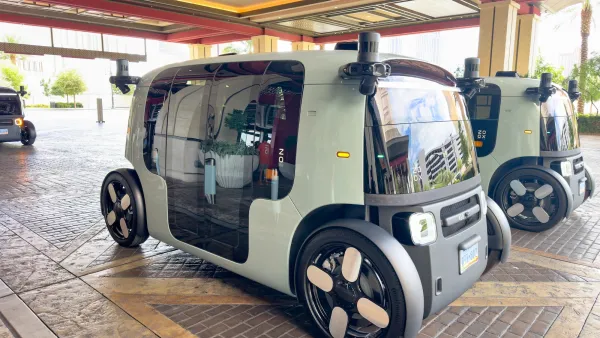
Amazon's steering wheel- and brake pedal-less Zoox robotaxis receive nation's first go-ahead for paid public rides
The NHTSA is giving a temporary permit to some autonomous cars that don't meet current safety standards as it develops a new framework for self-driving vehicles.
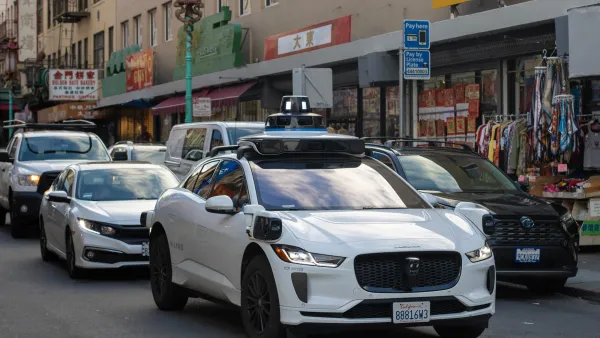
New Jersey bill would require AVs to use 3 sensing technologies — banning Tesla's robotaxi fleet
Elon Musk has been 'largely alone' in his conviction that radar and lidar sensors are not necessary for the safe operation of autonomous cars.
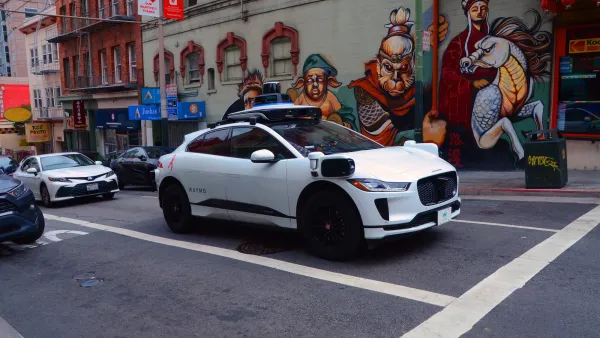
Feds say robotaxis interfering with first responders is a 'functional insufficiency,' demand solutions by August
The NHTSA issued a letter to autonomous carmakers, noting that 'Every second matters when law enforcement officers, firefighters, or paramedics are answering a call.'

Planetizen Federal Action Tracker
A weekly monitor of how Trump’s orders and actions are impacting planners and planning in America.

Amtrak, CN end decades-long dispute with eight-year agreement
The new operating agreement establishes an updated framework for the companies to work together, including processes to resolve disputes.

Northwest rail fans eager for Sept. 30 debut of Amtrak’s Airo fleet
Get ready for that new train smell and more seats. But they won’t go faster or run more frequently on the Cascades route in Washington and Oregon.

Brightline Florida files for bankruptcy
The transit company is over $5 billion in debt.

St. Louis Metro to test if single-car trains can reduce operating costs, maintain rider satisfaction
The pilot program will run from October to spring 2027, and begin with one single-car train operating on Metrolink’s Red and Blue lines.

Pennsylvania is building data centers in abandoned mines
Housing data centers in mines provides an alternative to destroying local forests and may spare residents from data centers’ noise and air pollution.

FREE Course: Walkable City 1: Why Walkability?
After describing his path towards focusing on walkability as the essence of good planning, Jeff Speck marches through his five principal reasons for making more walkable places.
Reinventing Malls: Planning Alchemy—Turning Gray Fields Into Gold
The course focuses on the opportunities and imperatives that shape reinvention of mall sites.

City of Thousand Oaks
City of Wisconsin Rapids
Harvard University Graduate School of Design
The Architects Foundation
University of Cincinnati Online
The Pocatello Development Authority
The Urban Renewal Agency of the City of Pocatello