City leaders say they don't want to be left behind as Waymo and other companies eye the city for the expansion of self-driving fleets.


Minneapolis city leaders are preparing legislation that would regulate self-driving vehicles as Waymo prepares for a possible launch in the city, reports Tom Akaolisa in MinneapoliMedia.
"Supporters of the ordinance say the measure is intended to ensure that local safeguards are in place before driverless commercial services begin operating on Minneapolis streets." Waymo vehicles have been seen driving around Minneapolis streets in recent months, and some city officials worry they will be left scrambling if they don't move quickly on regulation.
Minneapolis labor organizations say the debate is not just about safety but also about jobs, as self-driving taxis could lead to a major disruption in the ride-hailing and taxi industry.
As Akaolisa notes, "Minnesota has not yet adopted a comprehensive statewide system governing commercial driverless vehicle operations, creating uncertainty for both local governments and technology companies seeking clarity about future deployment."
Read the full story: Minneapolis Moves to Regulate Driverless Vehicles Before Waymo Arrives
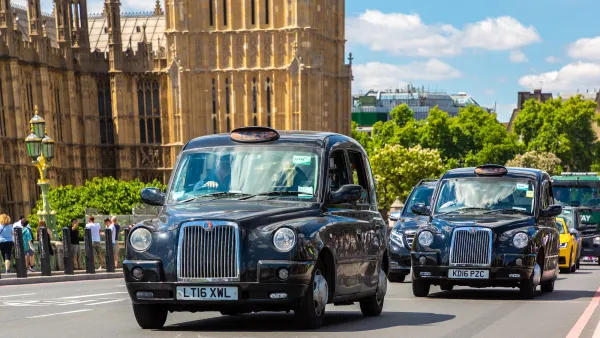
Can Robotaxis Handle London's Famously Tangled Streets?
Black Cab drivers say autonomous cars won’t be able to handle London’s unique conditions.
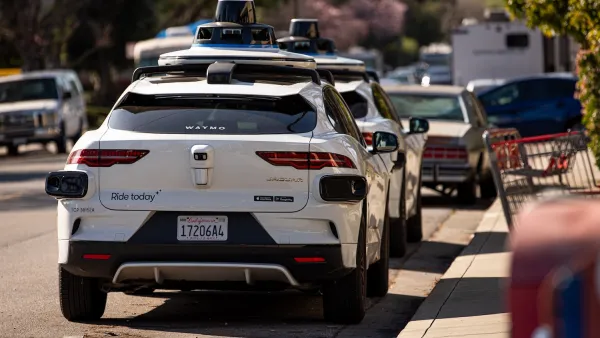
California Data Reveals that Waymo Cars Spend Almost Half Their Time Driving Around Empty
Although ‘deadheading’ time has gone down, Waymos still spend much of their time creating traffic without passengers.
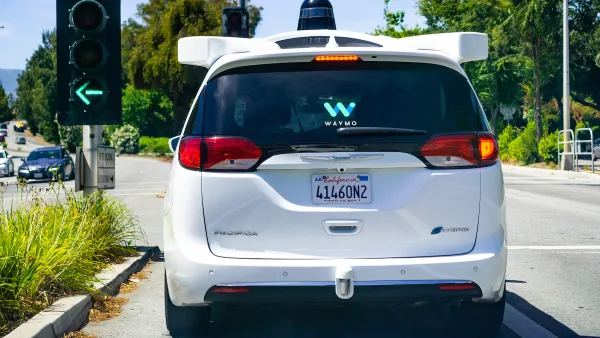
Advice for Autonomous Cars
Drivers for Uber and Lyft in San Francisco express their concerns and advice for self-driving taxi services.

California plans to bury El Niño’s downpour
If the state plays its cards right, it may be able to store a billion acre-feet of El Niño’s water in aquifers.

Desperate measures: Advocates weigh draining Lake Powell to fill Colorado River
Draining the reservoir could reduce evaporation losses by a couple hundred thousand acre-feet.

Eastern Nebraska is running out of electricity
Data centers and electrification are straining eastern Nebraska’s grid, throttling economic development.

SpaceXAI may be fined $6 million for data center lacking water permits
A Mississippi agency also responds after a federal judge criticized the state’s Clean Air Act enforcement.

Housing is the top priority of Seattle’s sole new councilmember
Jenks campaigned on building 1,000 new units of affordable housing.

New tax cuts may slash $1.5 billion in funding for Miami transit, public parks
Amendment 3 will save Miami-Dade homeowners $2,700 in 2028.

FREE Course: Walkable City 1: Why Walkability?
After describing his path towards focusing on walkability as the essence of good planning, Jeff Speck marches through his five principal reasons for making more walkable places.
Reinventing Malls: Planning Alchemy—Turning Gray Fields Into Gold
The course focuses on the opportunities and imperatives that shape reinvention of mall sites.

City of Rosemead
Rutgers University, Edward J. Bloustein School of Planning and Public Policy
One Hundred Miles
University of Michigan School for Environment and Sustainability (SEAS)
Hunter College, City University of New York (CUNY)
The Architects Foundation
City of Cambridge
Montrose County
The Pocatello Development Authority