The 2026-2030 plan aims to reduce deaths and serious injuries with a long-term goal of eliminating traffic deaths by 2050.


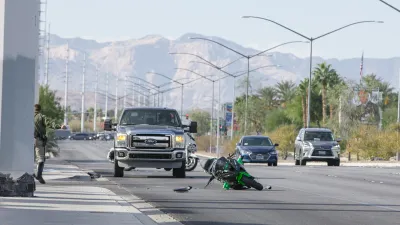
The Nevada Department of Transportation has issued its 2026-2030 Strategic Highway Safety Plan, targeting a 35 percent reduction in fatal and serious injury crashes by 2035 and a goal of zero fatalities by 2050.
As Rachel Zalucki explains in an article for Fox 5 Vegas, “Progress will be tracked through five federally required Safety Performance Measures reported annually to the Federal Highway Administration:” number of fatalities, number of serious injuries, fatality rate, serious injury rate, and number of non-motorized fatalities and serious injuries.
The department plans to deploy more messaging signs to educate drivers about the risks of speeding, among other efforts. “The plan unites transportation agencies, law enforcement, public health officials, emergency responders, and community partners in a coordinated effort to implement engineering improvements, strengthen enforcement, expand education campaigns, and improve emergency response.”
FULL STORY: NDOT releases updated highway safety plan to reduce traffic deaths by 2035

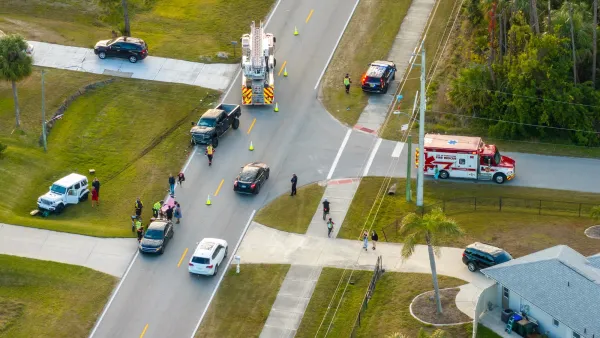
Pedestrian Deaths Fell by Largest Percentage in 15 Years, but Remain Above Pre-Pandemic Levels
After a spike in deaths during the Covid-19 years, road deaths fell to 3,024 in the first half of 2025.
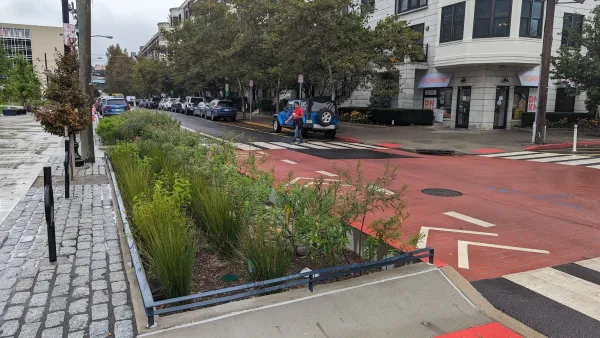
Hoboken's $20 Vision Zero fix
The New Jersey city eliminated traffic deaths for the last nine years in a row.

Proposed Bill Would Direct Funds to Road Safety
The Sarah Debbink Langenkamp Active Transportation Safety Act was spurred by the death of a U.S. diplomat who was killed on her bicycle.

Planetizen Federal Action Tracker
A weekly monitor of how Trump’s orders and actions are impacting planners and planning in America.

The state-sanctioned urbicide of Austin
People don’t kill cities. Freeways do.

US to reduce Colorado River water deliveries to Mexico
A new Colorado Treaty amendment reduces Mexico’s Colorado River water allocation by 250,000 acre feet.

5 New England states march closer to 800 megawatt wind energy project
Securing federal approval for the project may be complicated under the Trump administration, which has historically been hostile towards domestic wind power.

Baltimore to break ground on $50 million Transit Priority Project
The project will bring faster bus trips, safer streets and better bike connections to Baltimore.

Airbnb launches $250 million 'last-dollar financing' housing accelerator, makes first investment in Austin
The company will put $6.4 million towards affordable housing development in Texas’ capital.

FREE Course: Walkable City 1: Why Walkability?
After describing his path towards focusing on walkability as the essence of good planning, Jeff Speck marches through his five principal reasons for making more walkable places.
Reinventing Malls: Planning Alchemy—Turning Gray Fields Into Gold
The course focuses on the opportunities and imperatives that shape reinvention of mall sites.

Eagle County Government
Harvard University Graduate School of Design
Nashville Planning Department
The Architects Foundation
University of Cincinnati Online
The Pocatello Development Authority
The Urban Renewal Agency of the City of Pocatello
Journal of the American Planning Association