Some transit systems are offering free rides for low-income riders until benefits are restored.


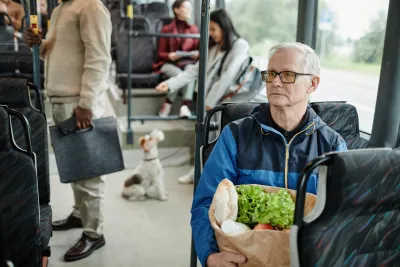
U.S. transit agencies are offering new or expanded free and reduced fare programs to SNAP recipients as the federal government cuts food benefits.
According to an article in Mass Transit, “Many public transit agencies offer reduced fare programs for SNAP members to remove transportation as a barrier for accessing food, employment and medical services. With the shutdown reaching a record high, some transit agencies have decided to offer free fares for those with SNAP benefits.”
Some agencies are expanding enrollment opportunities and extending discounted fare passes. Lae County, Ohio’s Laketran is offering free rides to SNAP recipients until benefits are reinstated. “Laketran notes its local routes connect riders to over 30 food pantries. The agency says a recent customer study showed that 60% of Laketran riders have household incomes of $40,000 or less and many fall into the Asset Limited, Income Constrained, Employed category, which represents residents who work but struggle to cover basic needs.”

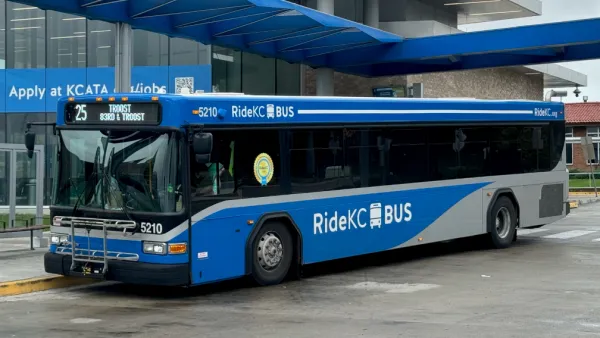
Kansas City Will Start Charging Bus Fares in June — With no Plan in Place for Low-income Riders
Service providers say they haven’t been told how their clients can access free or reduced fares after the agency starts charging again this summer.
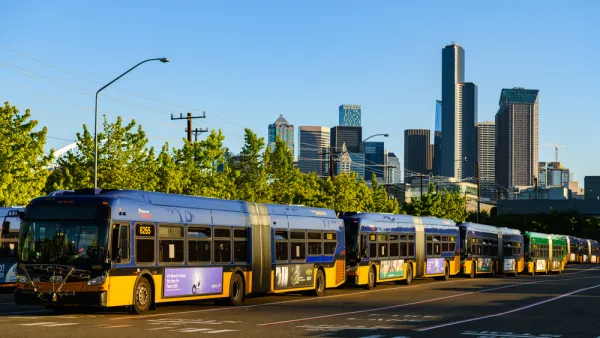
Seattle Brings Free Transit to Public Housing
Linking transit programs to housing can lower administrative costs and streamline the process for riders.
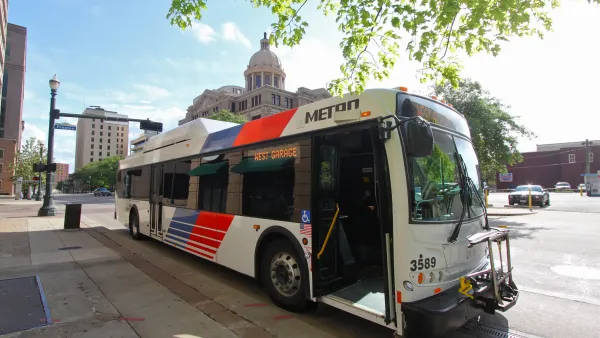
Houston Will Not Be a Fare-Free Transit City
In case anyone was getting carried away with the idea of fare-free transit, the Metropolitan Transit Authority of Harris County has some cold water to pour on the conversation.

The state-sanctioned urbicide of Austin
People don’t kill cities. Freeways do.

US to reduce Colorado River water deliveries to Mexico
A new Colorado Treaty amendment reduces Mexico’s Colorado River water allocation by 250,000 acre feet.

New Jersey’s second-largest city bans standalone data centers
Jersey City will continue to allow co-location facilities, such as those meant for research institutions that store their own data.

Amtrak not solely to blame for New Jersey commuter rail's unreliability, report finds
A new study from the Garden State Initiative found that NJ Transit’s budget grew 20% across a 4 year period, but reliability declined significantly over the same period.

EPA erases limits on planet-warming pollution from power plants
Under Monday’s plan, power plants would still have some limits on how much mercury, arsenic and other contaminants they can emit.

Phoenix announces new on-demand transit service, more frequent RAPID buses
Both new services will launch in October, and are part of Phoenix's Project Effective Access Solutions for Easing Congestion.

FREE Course: Walkable City 1: Why Walkability?
After describing his path towards focusing on walkability as the essence of good planning, Jeff Speck marches through his five principal reasons for making more walkable places.
Reinventing Malls: Planning Alchemy—Turning Gray Fields Into Gold
The course focuses on the opportunities and imperatives that shape reinvention of mall sites.

Eagle County Government
Harvard University Graduate School of Design
Nashville Planning Department
The Architects Foundation
University of Cincinnati Online
The Pocatello Development Authority
The Urban Renewal Agency of the City of Pocatello
Journal of the American Planning Association